Community-powered wisdom for first-time parents
Tips on feeding, sleep, milestones, and more — shared by parents who've been there.
Browse tips & articles by topic
Ask questions & share experiences
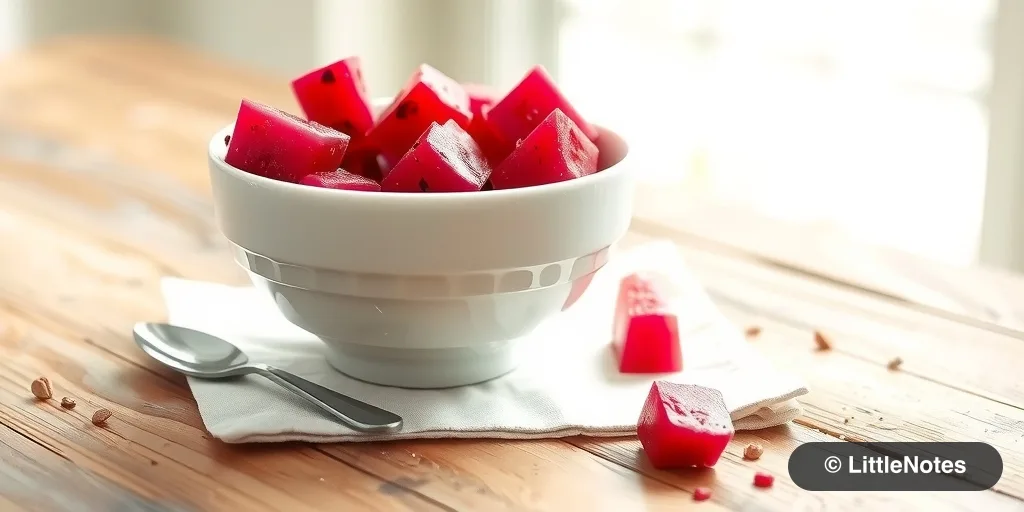
Pink or red-colored stools after consuming fruits like dragon fruit or watermelon is usually normal. Observe the baby and consult a pediatrician if the coloring persists beyond one occurrence.
Using a car seat is essential for infant travel safety, even on longer journeys. If the baby becomes fussy, park the vehicle safely to calm them before returning them to the seat.
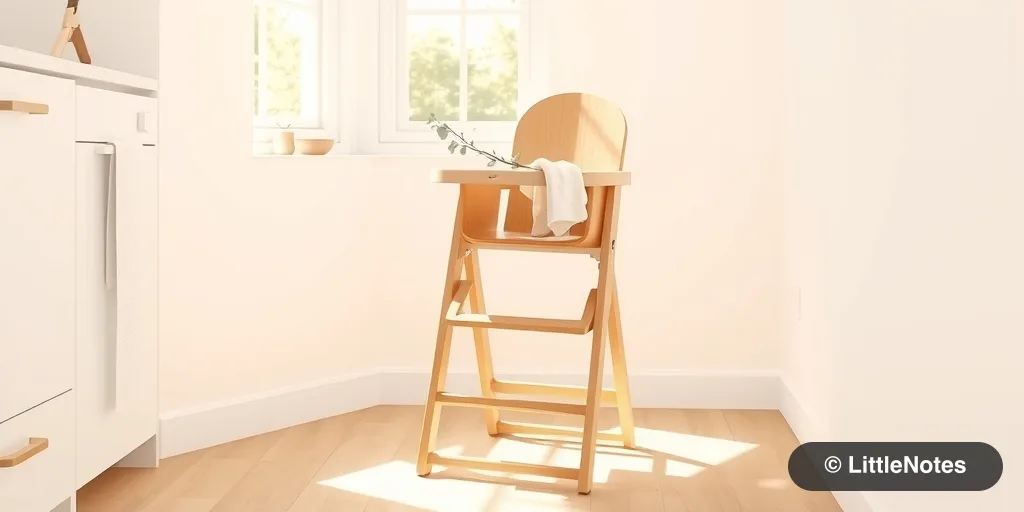
Starting solids is a big milestone, and having a safe, ergonomic space for your little one to eat is key. When selecting a high chair, look for features that promote good posture—a seat that supports an upright position with a sturdy footrest is essential for safety and comfort. Many parents find that high chairs with adjustable features, such as those that …
If your baby prefers one breast over the other, try using the football hold for the slacker side to encourage a better latch and increase output.
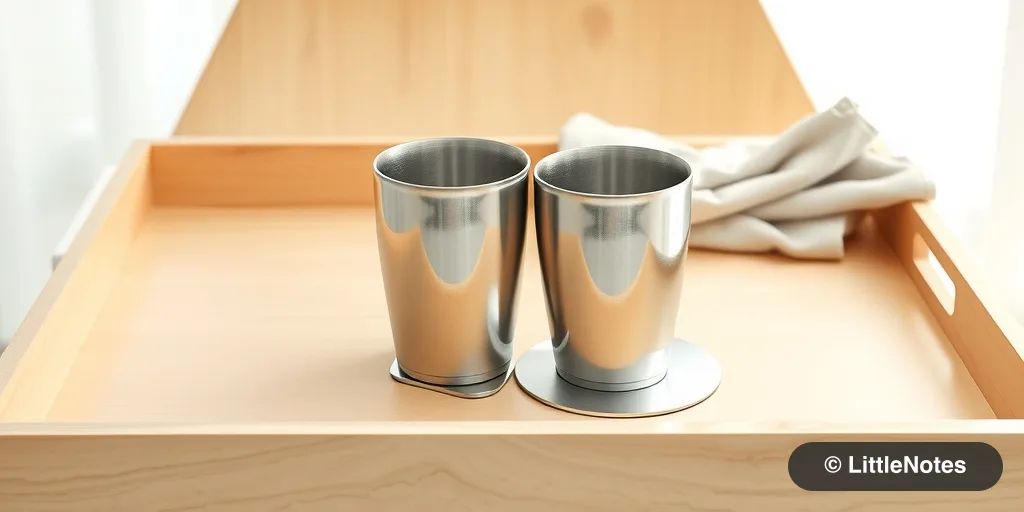
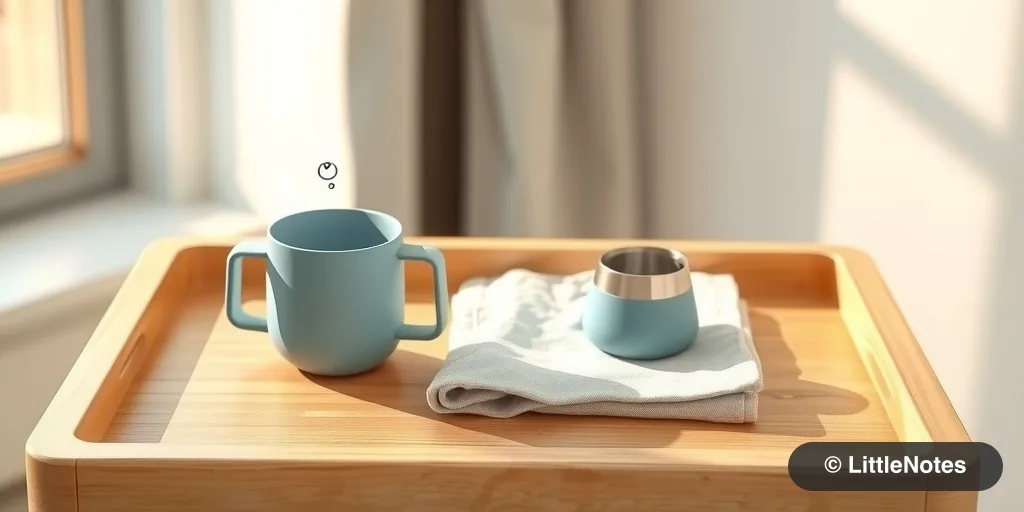
Small stainless steel tumblers with a narrow circumference are easier for infants to hold and drink from than larger or wider glasses.
To break a feed-to-sleep association, move the milk feed earlier in the bedtime routine, starting with a 5-minute gap and gradually increasing it over time.
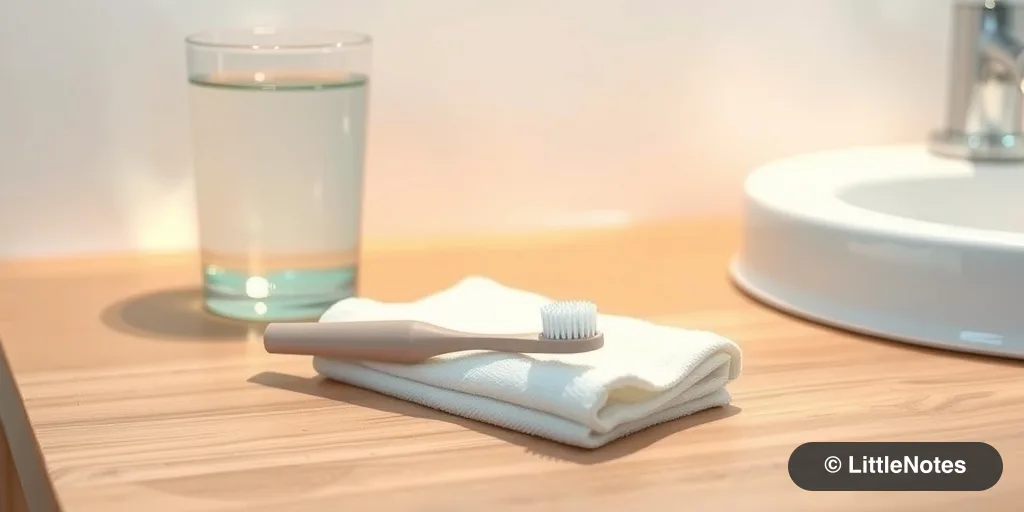
Always aim to brush your child's teeth or wipe their gums after their final milk feed to maintain oral hygiene, regardless of whether they have teeth yet.
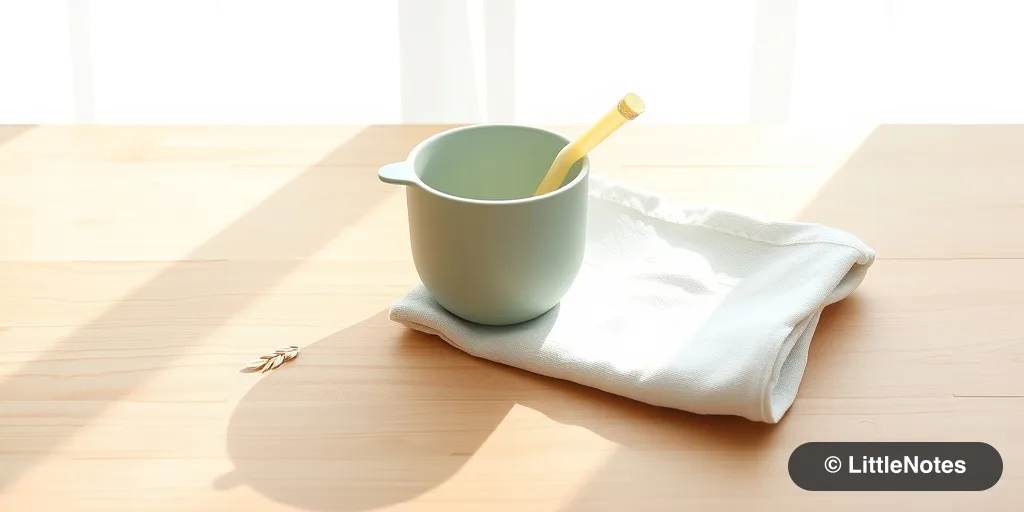
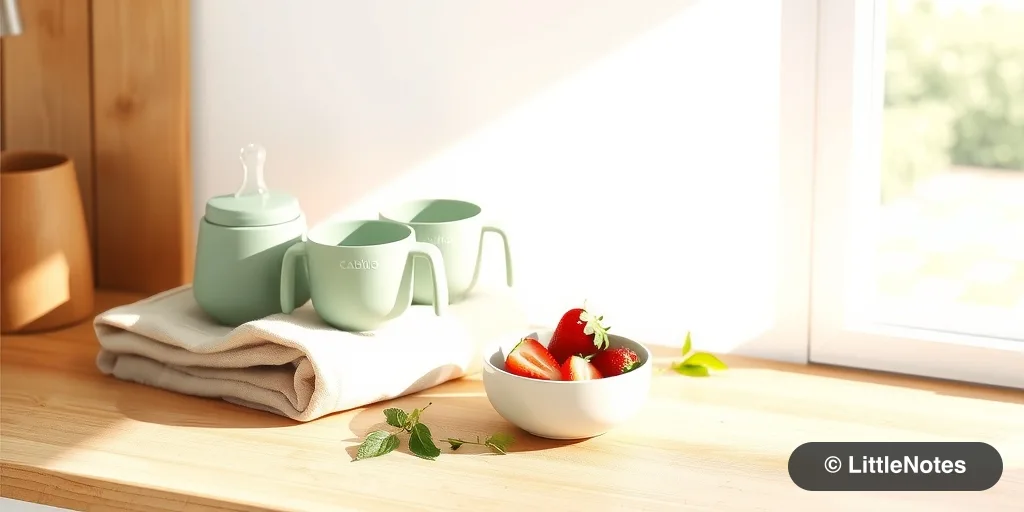
For many parents, the journey to introducing solids and water involves deciding how to transition away from the breast or bottle. While bottles are a common convenience, many parents are choosing to skip them entirely, opting to introduce straw or open cups as early as 5–6 months. This approach can help preserve a strong breastfeeding latch and encourages ba…
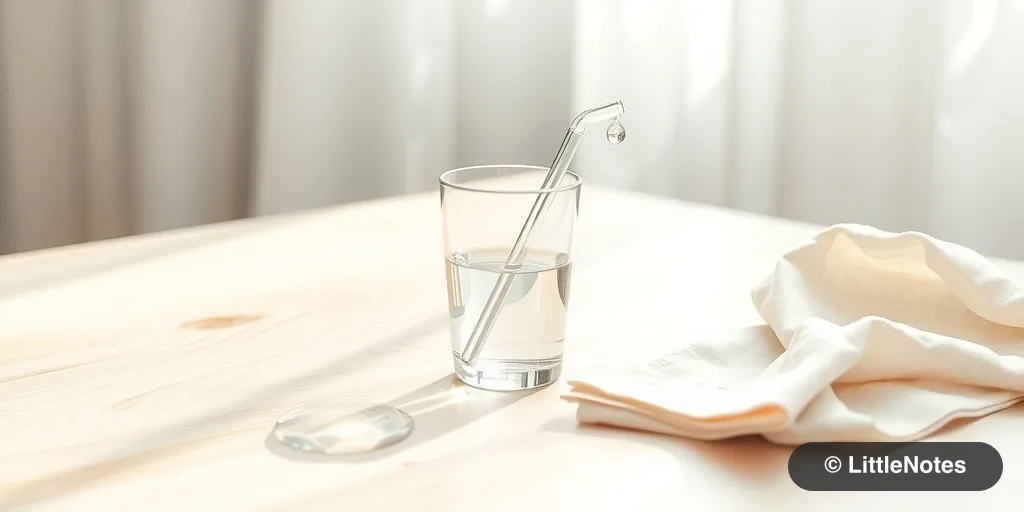
To teach your baby to use a straw, use a pipette or a squeezy bottle to draw liquid up into the straw, allowing the baby to practice their natural sucking instinct.
Avoid high-pressure tactics when introducing new cups; if the baby isn't interested, try again later without forcing the process.
Spout cups are often discouraged by specialists as they can negatively impact tongue posture and oral development.
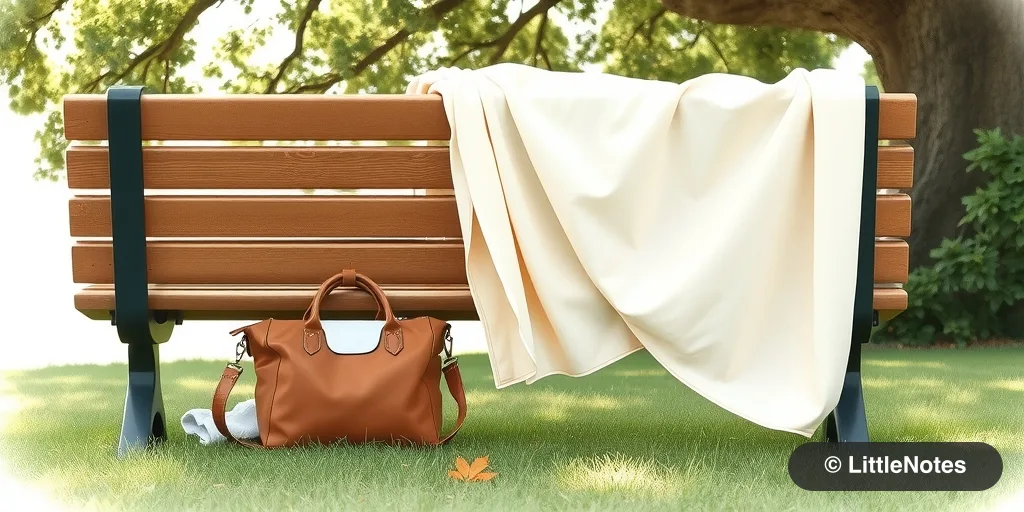
Feeding in public can feel daunting at first, but it becomes second nature with practice. Many parents find that carrying a comfortable nurs…
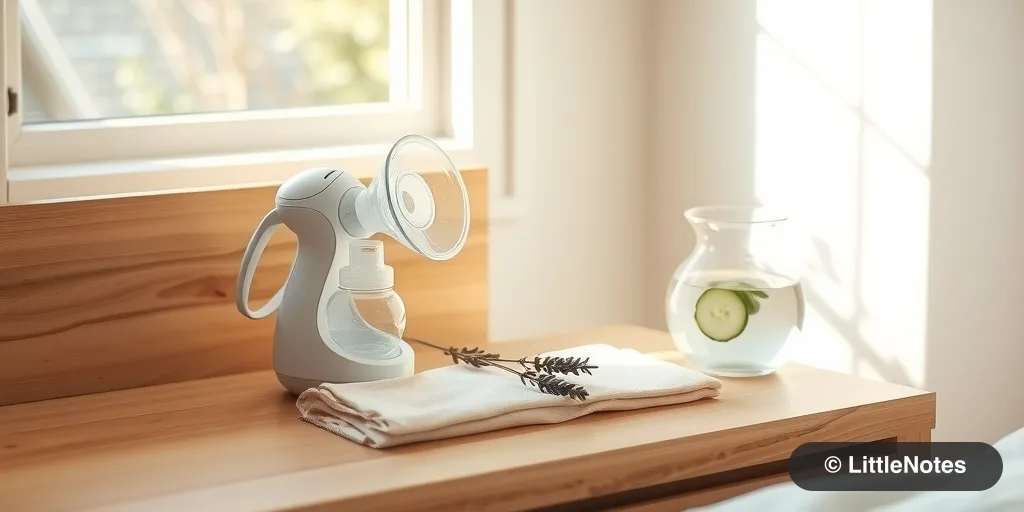
The early months of parenthood can often feel like being tethered to your home. If you are exclusively breastfeeding and feeling the itch to reclaim a bit of your pre-baby routine—whether that means hitting the gym, meeting friends, or simply taking a quiet walk—it is completely normal to feel both a desire for independence and a sense of overwhelm. Remember…
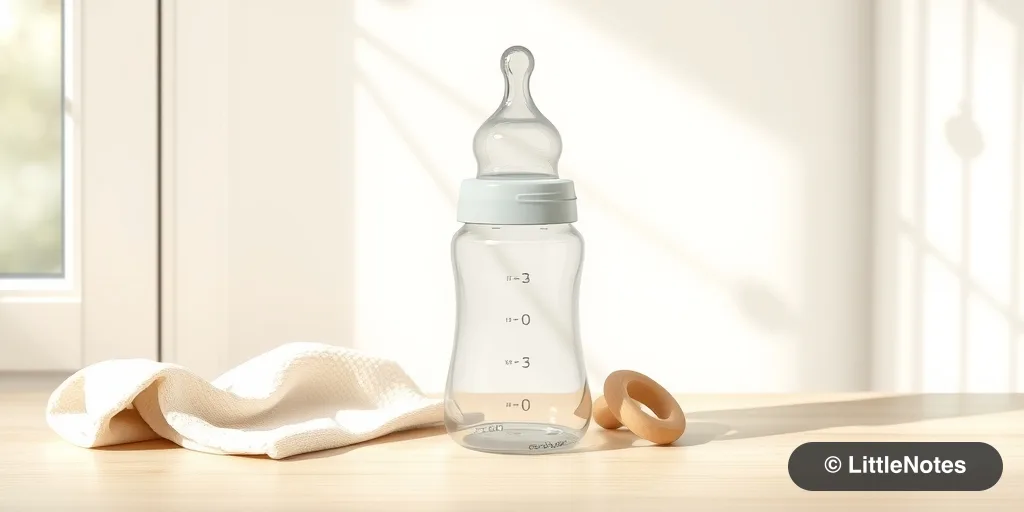
If you decide to introduce a bottle to an exclusively breastfed infant, the type of bottle can make a significant difference in acceptance.…
It is completely normal to feel tied down during the early months of breastfeeding, but you don't have to sacrifice your identity or social…
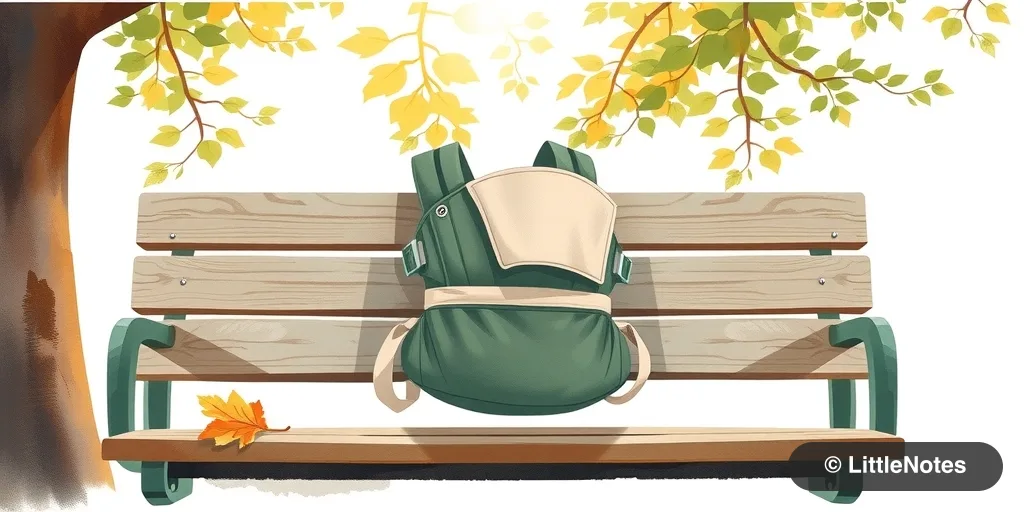
Wearing your baby in a carrier can make it much easier to nurse while out and about. It offers both mobility and privacy, allowing you to enjoy outings while meeting your baby's needs.
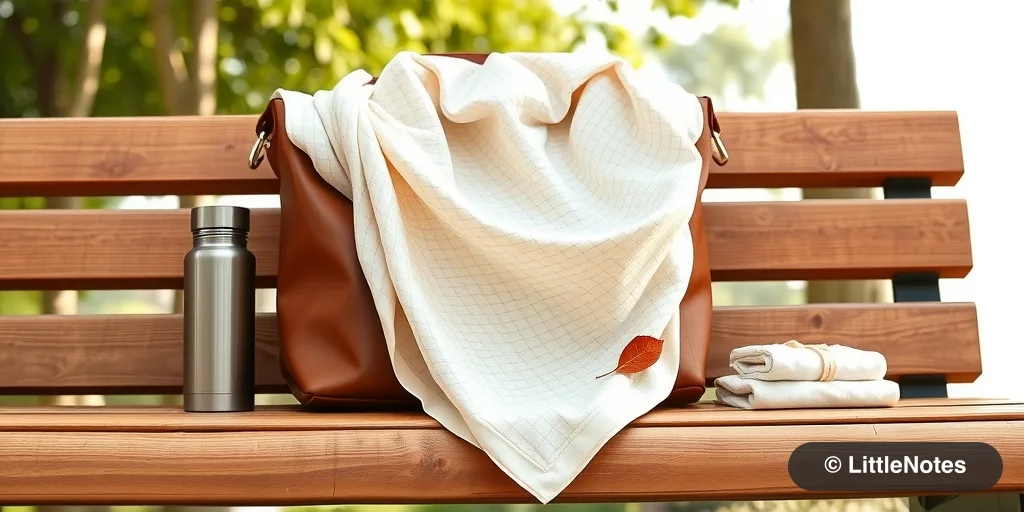
Keep a nursing cover you feel comfortable in inside your diaper bag at all times. It can provide extra privacy and help you feel more at ease when feeding in public spaces.
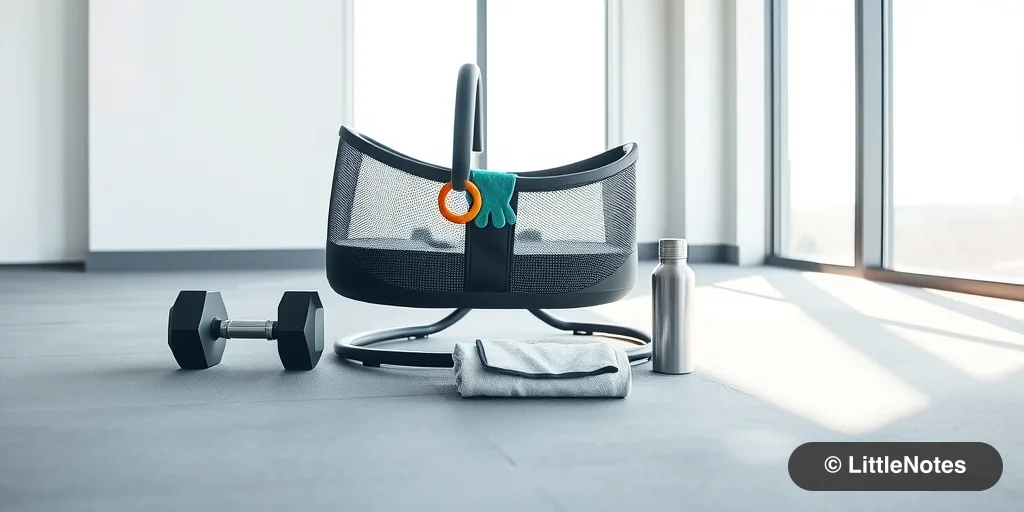
If you are struggling to find time to exercise, consider bringing a portable baby bouncer to the gym. Strapping your baby in allows them to be safely near you while you complete a short workout.
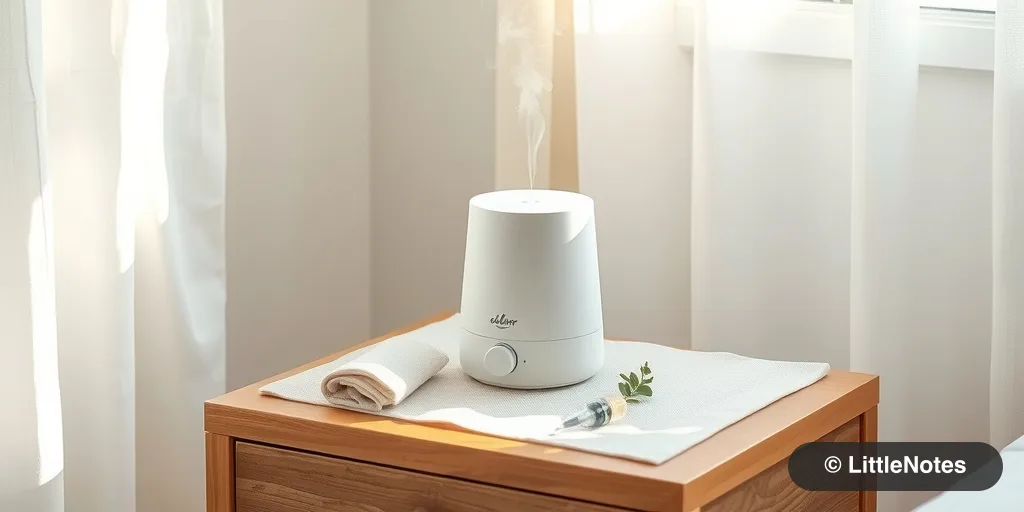
When your little one comes down with a cold, it’s natural to want to do everything possible to help them breathe a little easier. Navigating congestion can be stressful, but there are safe, gentle ways to provide relief at home. The Safest Way to Steam While steam can help loosen mucus, direct contact with a standard household steamer can be dangerous due to…
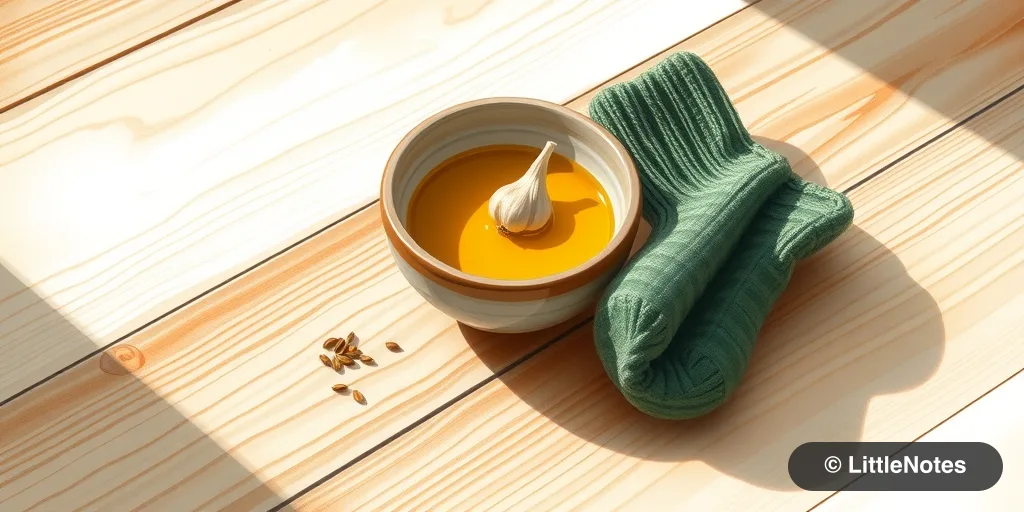
Gently massage the baby's feet with warm mustard oil infused with garlic and ajwain, then immediately put socks on to keep them warm.