Community-powered wisdom for first-time parents
Tips on feeding, sleep, milestones, and more — shared by parents who've been there.
Browse tips & articles by topic
Ask questions & share experiences
It’s frustrating when you've spent time preparing a healthy meal only for your baby to seal their mouth shut, play with their food, or throw it on the floor. If you're feeling demotivated, you aren't alone—this is a very common phase in the solids journey. Why Do Babies Reject Food? Often, refusal is about autonomy or teething discomfort rather than taste. A…
Roasted makhana is a fantastic snack, but it must be prepared carefully to prevent choking. Always break or quarter the makhana before servi…
Quarter roasted makhana before serving and always supervise while eating, as they can be a choking hazard if they become soggy or aren't chewed well.
Cavities are caused by bacteria that can be transferred through saliva. Never share food, utensils, or kisses on the mouth with your infant.
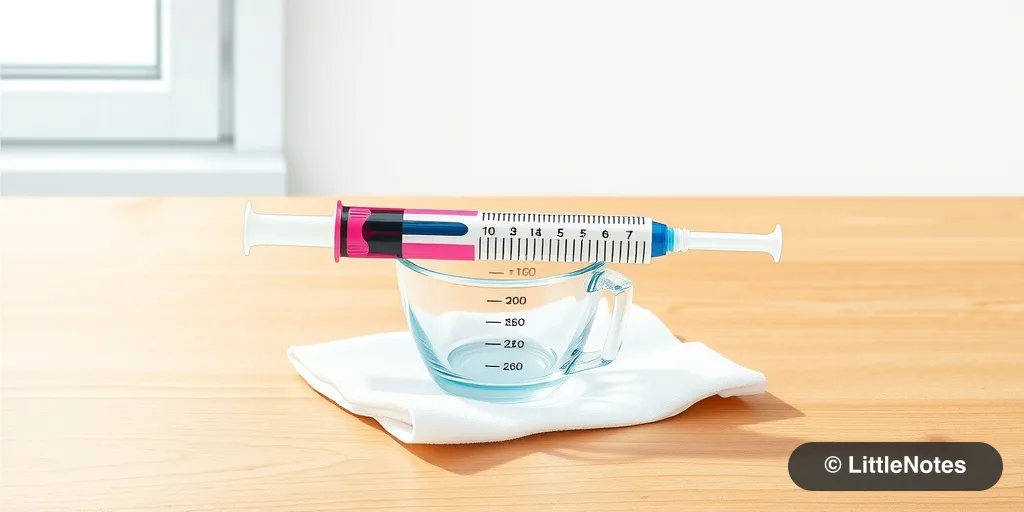
For medications that are difficult to measure via drops, dispense the dosage into a medicine cup and use a syringe for precise administration.
Cavities are caused by bacteria that can be easily transferred through shared saliva. To protect your baby's dental health, it is best to av…
It is not uncommon for babies to experience a slight weight loss of 200–300 grams during or shortly after an illness. Typically, a baby's ap…
It is completely normal to feel anxious about your milk supply during the first few months. Many parents worry that a fussy baby or a change in feeding habits means their supply is dropping. However, as your body moves past the initial weeks, your milk production becomes more efficient, and it’s common for the "full" feeling in your breasts to subside—this d…
Homemade curd is often recommended for infants as it is easier for their systems to digest compared to some store-bought varieties.
As your baby reaches the 6-to-8-month milestone, you’re likely eager to expand their palate with healthy additions like curd (yogurt). Many parents wonder: should you make it at home or buy it from the store? Homemade curd is often considered the gold standard. It allows you to control the freshness and ensures there are no added preservatives, which is idea…
You are generally permitted to carry warm water through airport security for mixing formula during domestic flights.
Yes, it is generally permitted to carry warm water through security for the purpose of making infant formula on domestic flights. Always che…
If you experience chills or unusual symptoms during the first few weeks postpartum, consult your doctor rather than relying on online searches to ensure it is not related to health issues like dehydration or infections.
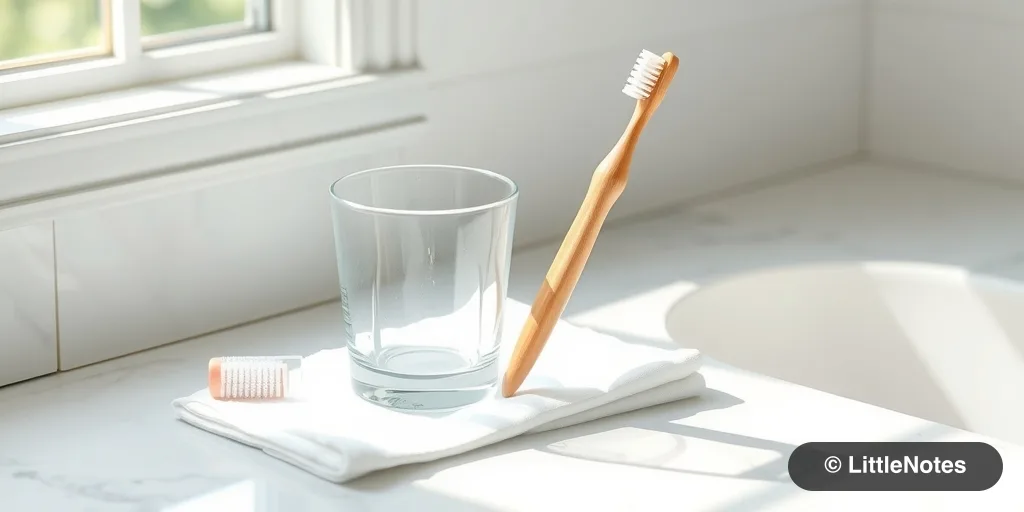
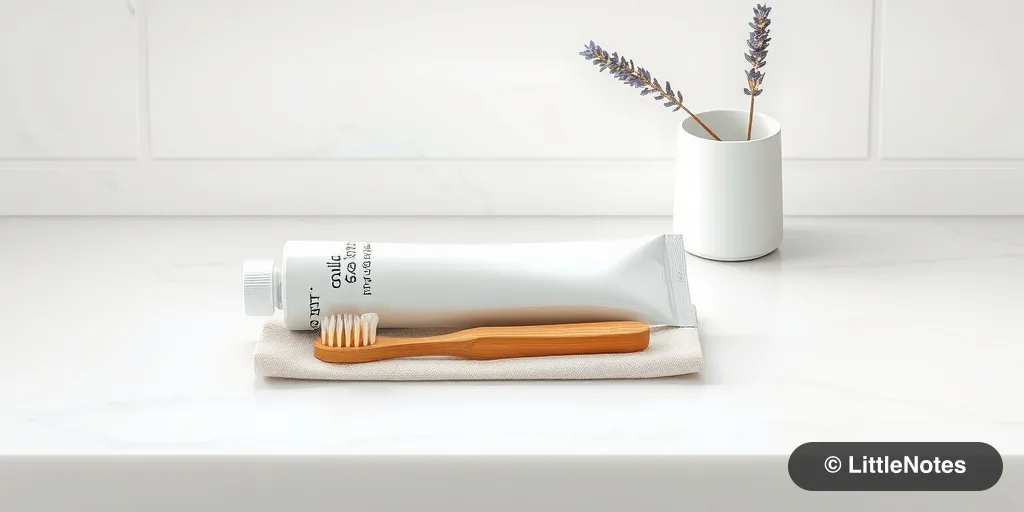
Starting a dental hygiene routine is a major milestone, but for parents of children with food allergies, the ingredient list on a tube of toothpaste can feel daunting. If your little one has a history of Cow’s Milk Protein Allergy (CMPA) or other sensitivities, it is natural to be cautious about what goes into their mouth. When choosing a toothpaste for your…
For toddlers dealing with rhinitis and dust allergies, creating a clean environment is just as important as medical management. Regularly wa…
For toddlers suffering from dust allergies and congestion, always seek guidance from a pediatrician to manage symptoms like breathlessness beyond just using antihistamines.
When your child has multiple food allergies, choosing a toothpaste requires carefully checking the ingredient list for hidden allergens like…
For toddlers with multiple food allergies, Chicco brand toothpaste is a safe and gentle option for daily oral hygiene.
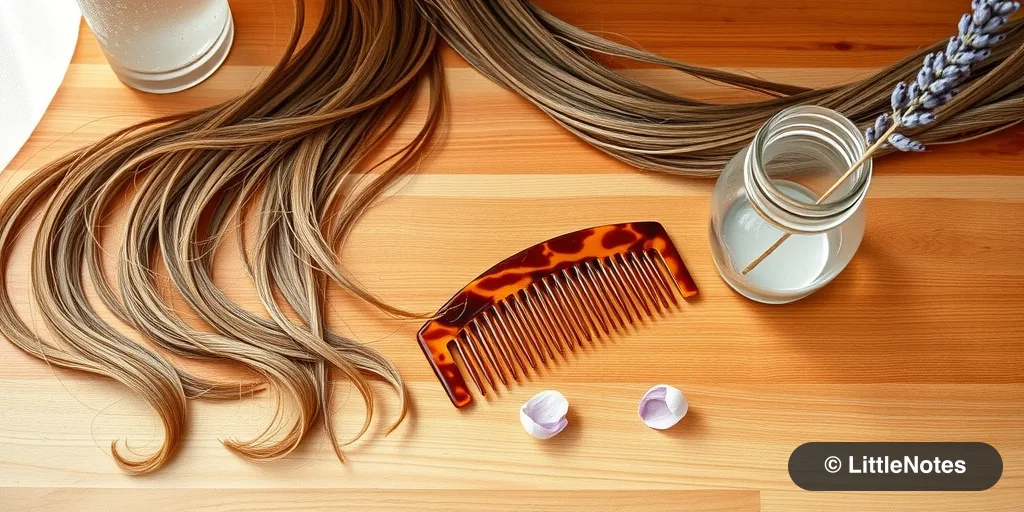
If you are around four months postpartum and noticing an increase in hair shedding, know that you are not alone. Many parents experience significant hair loss during this phase. This is often a natural physiological response to the shifting hormones following childbirth. Why It Happens During pregnancy, high levels of estrogen often keep hair in a prolonged …
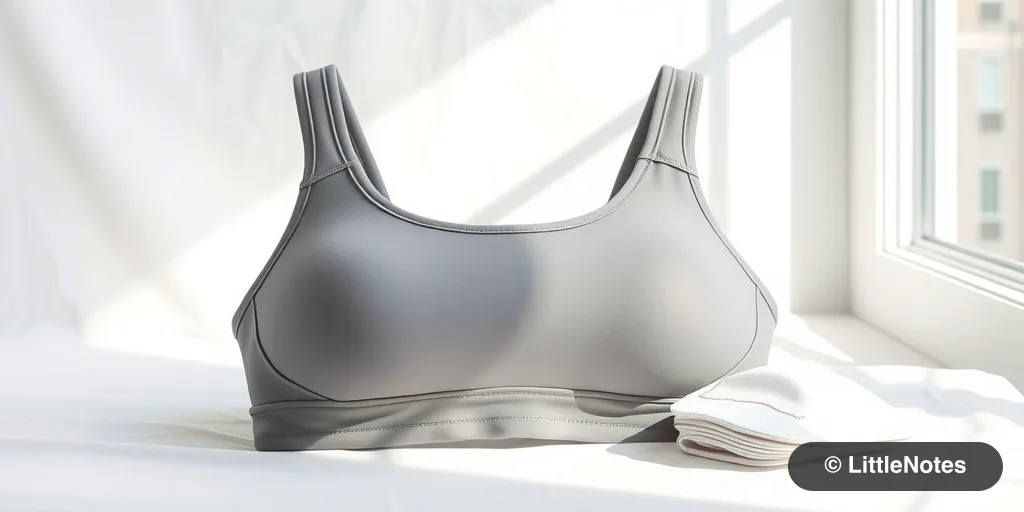
If you are experiencing persistent leaking, try wearing a comfortable, supportive sports bra and avoid unnecessary nipple stimulation.