Community-powered wisdom for first-time parents
Tips on feeding, sleep, milestones, and more — shared by parents who've been there.
Browse tips & articles by topic
Ask questions & share experiences
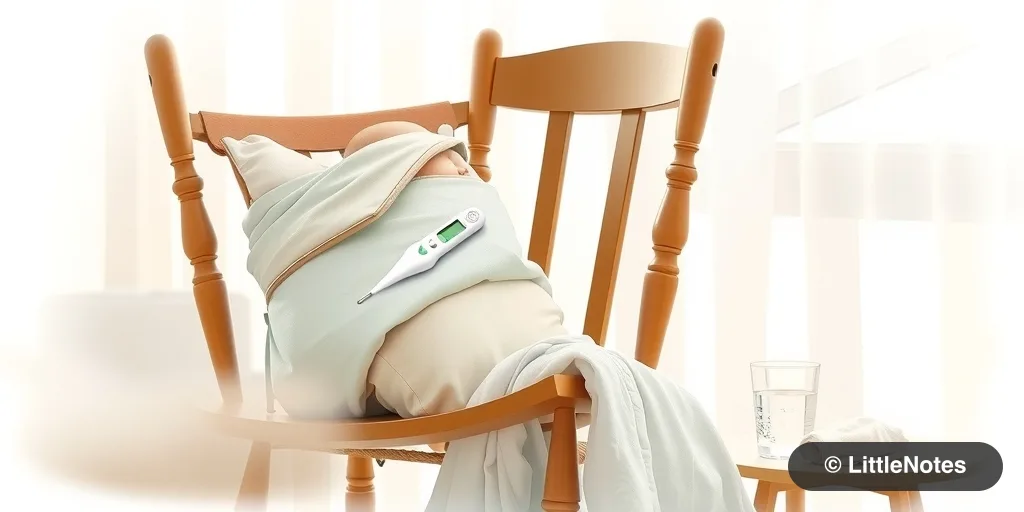
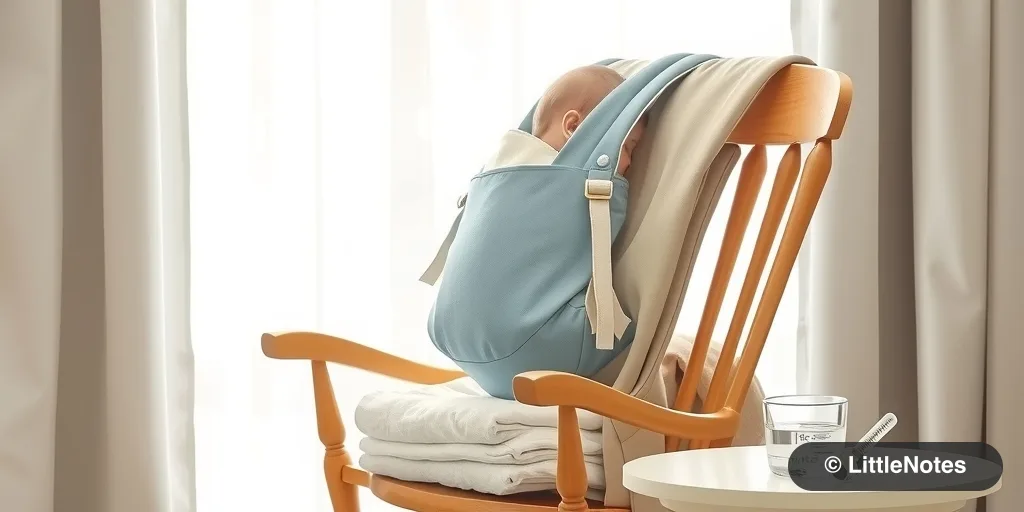
When a baby has a fever, they often become clingy and need extra physical closeness. Holding your baby, using skin-to-skin contact, or using…
When your baby has a fever and is distressed, offer skin-to-skin contact to provide comfort. Using a baby carrier can help keep them close while supporting your own arms and back.
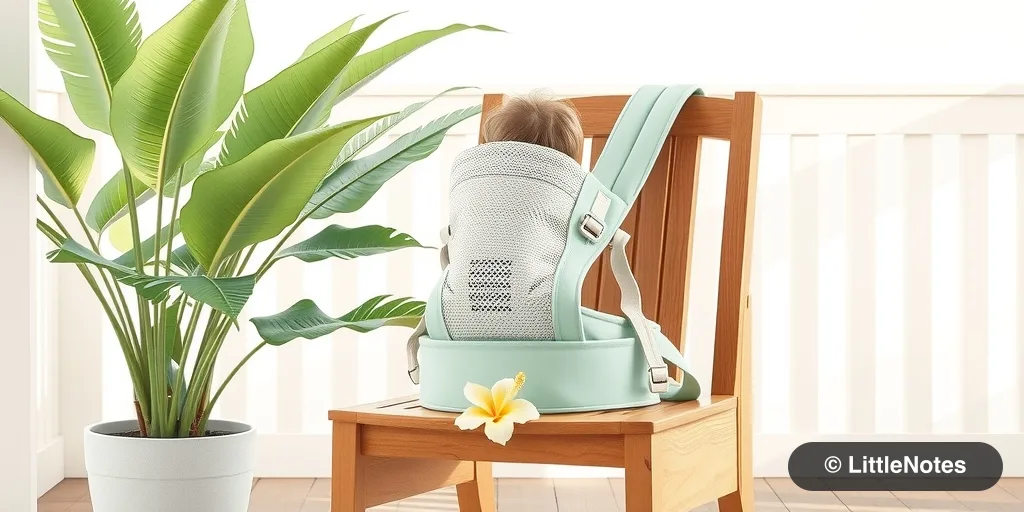
Babywearing is a wonderful way to bond with your little one while staying mobile, but in warmer climates, comfort is key. A common concern among parents is heat—both for themselves and their babies. When shopping for a carrier, look for options specifically designed with "mesh" or "cool-air" fabric. These materials are engineered to increase breathability an…
Finding reliable household help—whether it’s a cook, a nanny, or a cleaning maid—is a major milestone for new parents looking to reclaim some time. Drawing from the community’s collective experience, here is a guide to navigating this process smoothly: 1. Where to Find Leads Community Groups: Your local parent groups are often the best source for vetted help…
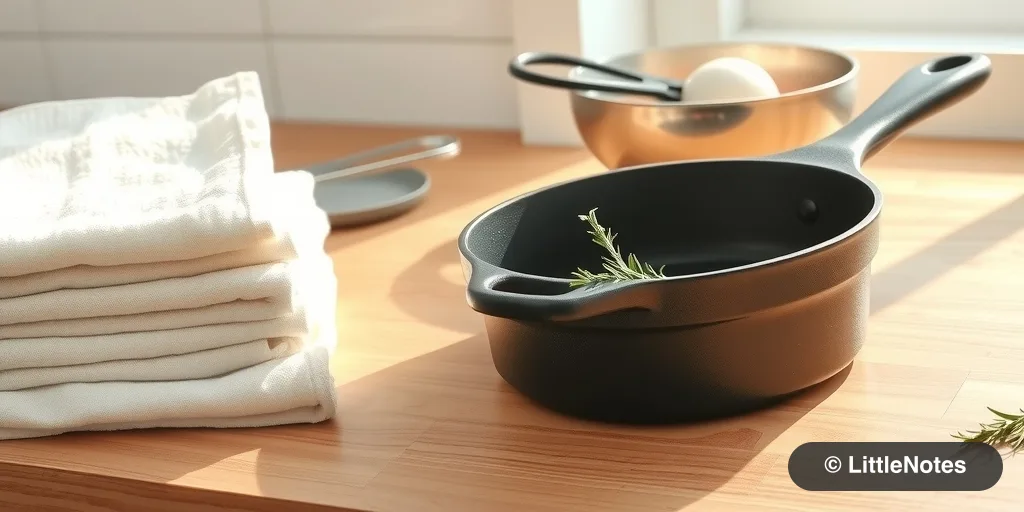
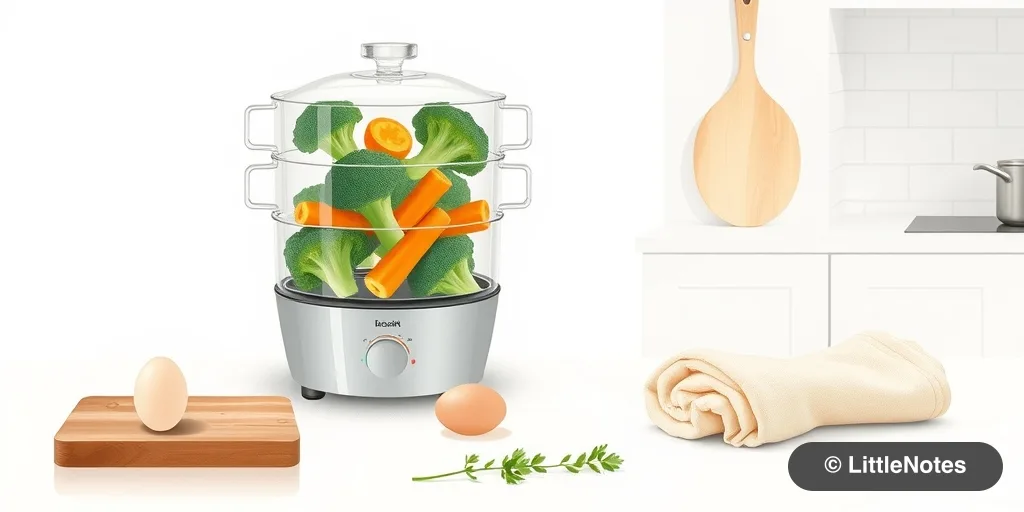
Parents frequently share trusted brands and service providers for home needs, such as vegetable steamers or cast iron cookware. For home ser…
Indus Valley brand is highly recommended for durable and good-quality cast iron cookware.
Electric vegetable steamers by Agaro are efficient for steaming veggies and boiling eggs, making meal prep for toddlers easier.
If you need a folding bed or other furniture for guests, check Rentomelo for flexible rental services.
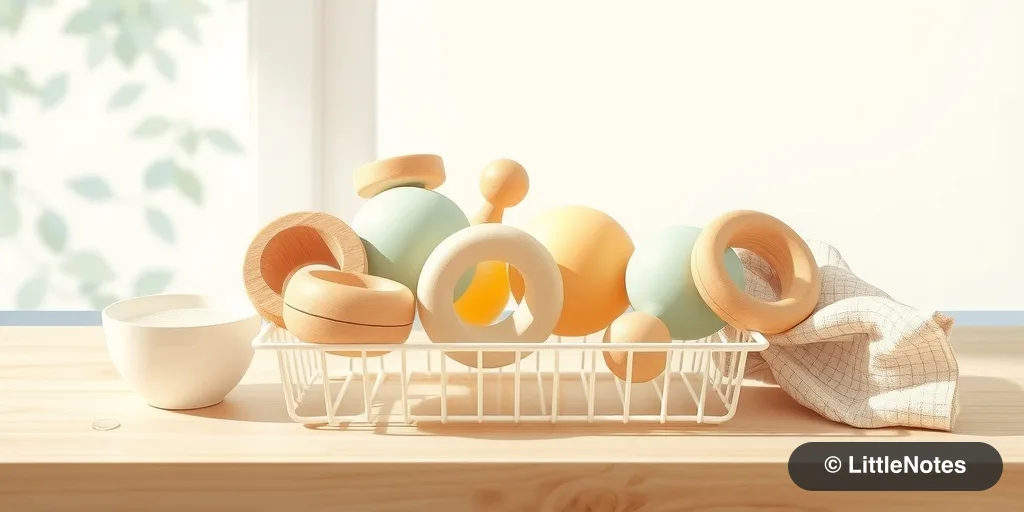
For infants who mouth everything, a daily quick clean is often enough; there is no need to sterilize toys daily once the baby is a few month…
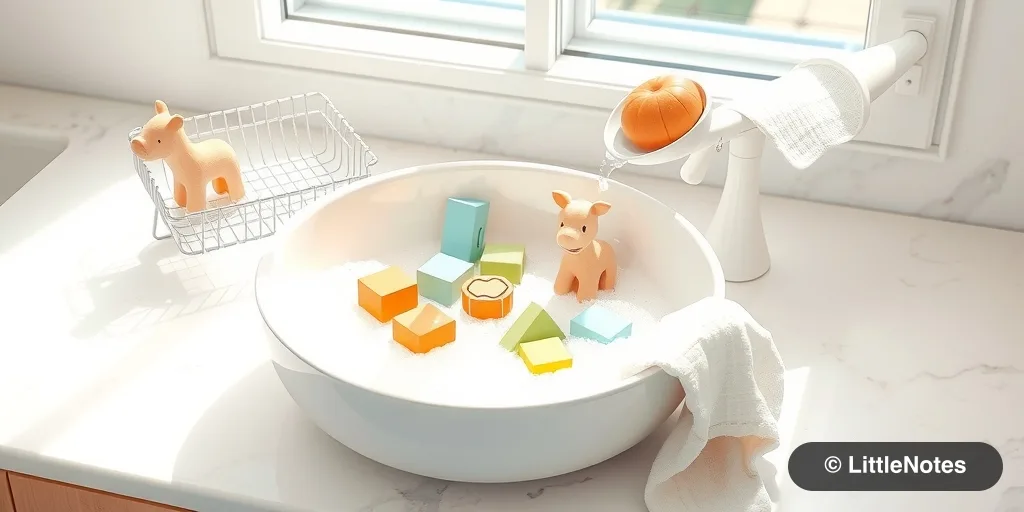
Keep toy cleaning simple by using a tub of baby-safe dish soap for a quick rinse, followed by air drying on a dedicated rack.
When everything your baby touches ends up in their mouth, the prospect of sanitizing every single toy can feel overwhelming. The good news is that you don't need to sterilize everything every day. As your baby grows past the newborn stage, soap and water are usually sufficient for most items. Rotating your toys—keeping only a few out at a time—makes cleaning…
Having a partner sleep on the baby's side in a shared room can help the baby transition away from night feeds by reducing the 'scent' of milk and providing comfort through touch.
It is common for parents to worry when their little one hits the 10-month mark without a single tooth in sight. When your baby also has Cow’s Milk Protein Allergy (CMPA), it’s natural to wonder if their nutritional intake is impacting their development. Does CMPA Cause Teething Delays? While it is a common concern that calcium intake might be compromised in …
Do not worry if teeth do not appear until after the first birthday; many babies sprout their first teeth between 10 and 12 months.
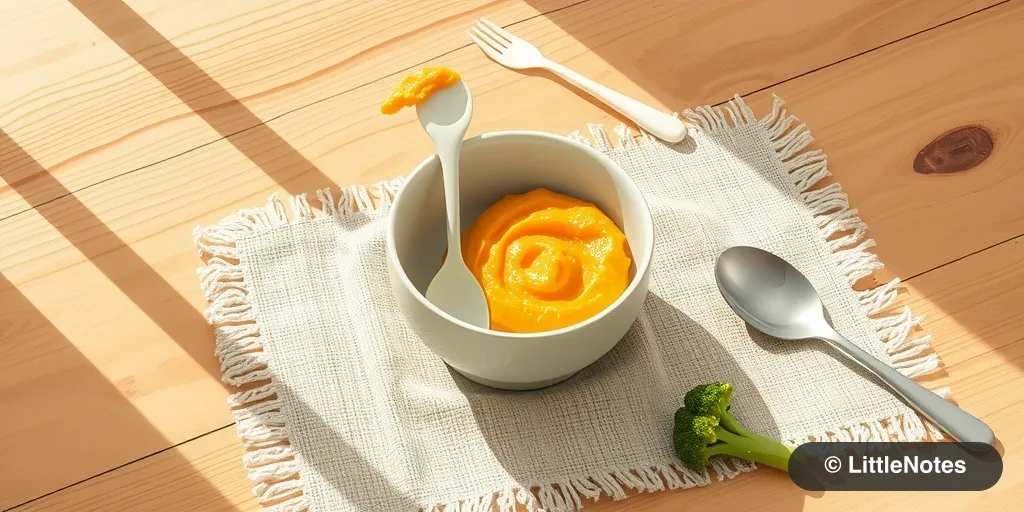
Help your toddler learn to use a spoon by offering pre-loaded spoons, then gradually transition to letting them scoop from a suction bowl on their high chair tray.
If your baby has started throwing their spoon across the room or mashing food into their hair rather than eating it, congratulations—you have a very normal, smart, and independent toddler! This phase is a common part of the journey toward self-feeding. Why It Happens Around 8 to 12 months, babies discover the "cause and effect" of dropping objects. They aren…
Transitioning to spoon-feeding is a process that requires patience and modeling. Start by offering 'pre-loaded' spoons, where you place a sm…
If you are struggling with postpartum recovery or simply feeling burned out, hiring a nanny is often a necessary step in self-care rather than a compromise in parenting. Many parents worry that a nanny might interfere with the bond they have with their child. However, rest assured that your baby knows who their parents are; a caregiver provides support, not …
Hiring a nanny is not a replacement for a parent; it is simply adding support to your 'village.' Many parents find that having consistent he…
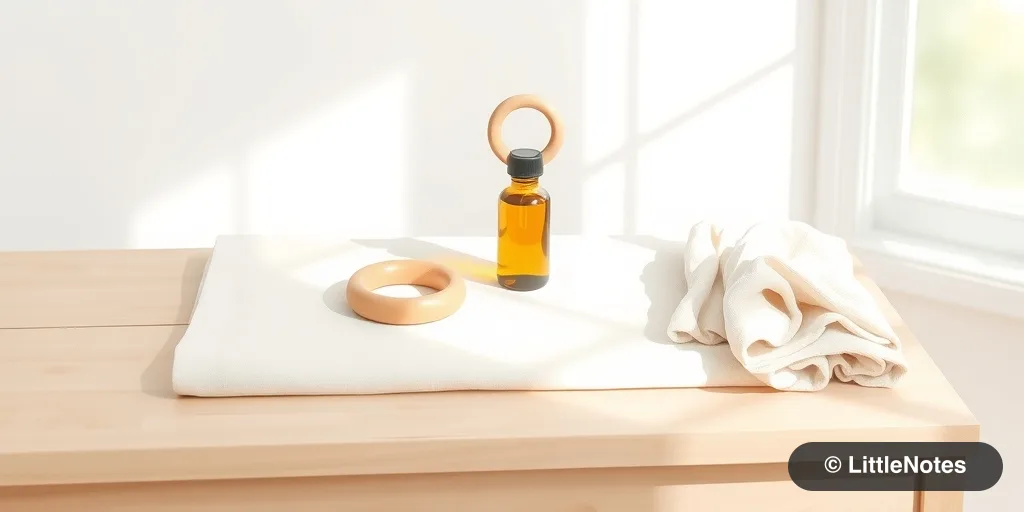
As babies grow and become mobile, traditional massages often become a challenge. To keep them occupied, try giving them a small, safe item f…