Community-powered wisdom for first-time parents
Tips on feeding, sleep, milestones, and more — shared by parents who've been there.
Browse tips & articles by topic
Ask questions & share experiences
When shopping for a sterilizer, the drying function is widely considered a must-have feature for convenience and hygiene. Being able to go s…
If your baby resists lying down for massages, keep them engaged with small, safe items from a diaper caddy or perform the massage while they are seated or in a tub.
A nanny can provide consistent care and support, which helps parents manage their own well-being and prevents burnout, without affecting the parent-child bond.
It is completely normal to feel a bit anxious when your baby starts hitting new sleep milestones, like rolling onto their stomach or wanting to move around in their crib. Here is some guidance based on the shared experiences of parents who have been there: Stomach Sleeping: If your baby has started rolling onto their stomach on their own, experts generally a…
It is very common for babies to take short, 20-30 minute naps as they grow and become more interested in their surroundings. As long as your…
Starting solids is an exciting milestone, but it’s completely natural to have questions about what to feed your little one and how to prepare. As you begin this journey (typically around 6 months), keeping it simple is often the best approach. Key Considerations: Focus on Fresh: Many parents advise prioritizing home-cooked, fresh foods over packaged versions…
Try to schedule outings around your baby’s nap times or create a quiet sleeping space with pillows at family gatherings to maintain their sleep schedule.
If you’re watching the clock and feeling stressed because your baby’s daytime naps seem to last exactly 30 minutes, you are not alone! It is a common source of anxiety for parents, but rest assured: short naps are developmentally normal for many infants. As babies grow and become more aware of their surroundings, their sleep patterns often shift. While some …
Introduce a silicone finger brush with plain water to your baby early on to get them comfortable with the concept of brushing.
Soak almonds and remove the skin before roasting and grinding them for a 9-month-old to prevent potential indigestion.
As our little ones move past the toddler years and approach school age, the temptation to fill their calendars with enrichment activities—soccer, skating, art, or public speaking—is strong. But how do we decide what is enough, and how do we handle the days where they simply want to ‘do nothing’? If you find yourself feeling burnt out by the task of constant …
There is no single "right" amount of extracurricular activity, as every child and family schedule is different. It is common to feel over-sc…
It is normal for breastfed babies to develop a preference for the taste of breast milk as they become more familiar with it. If your baby be…
If you need to move away from feed-to-sleep, use 'association stacking' by introducing soothing methods like patting or shushing. This allows you to gradually phase out feeding while keeping the comfort consistent.
Darkening of the skin in these areas during or after pregnancy is often related to hormonal changes or a condition called Acanthosis nigrica…
If you’ve noticed darkening of the skin in areas like the underarms, neck, or inner thighs since giving birth, you aren’t alone. Many new parents experience this, often due to hormonal shifts. In most cases, these pigment changes fade as your hormones regulate after a few months. However, there is another common cause that warrants a conversation with your h…
Darkening of the neck or underarm area (Acanthosis nigricans) can be a sign of insulin resistance. If it persists postpartum, consult an endocrinologist to check your blood sugar and insulin levels.
Eliminating dairy while breastfeeding can feel daunting, but there are many nutrient-dense options available. Focus on staples like oats, nu…
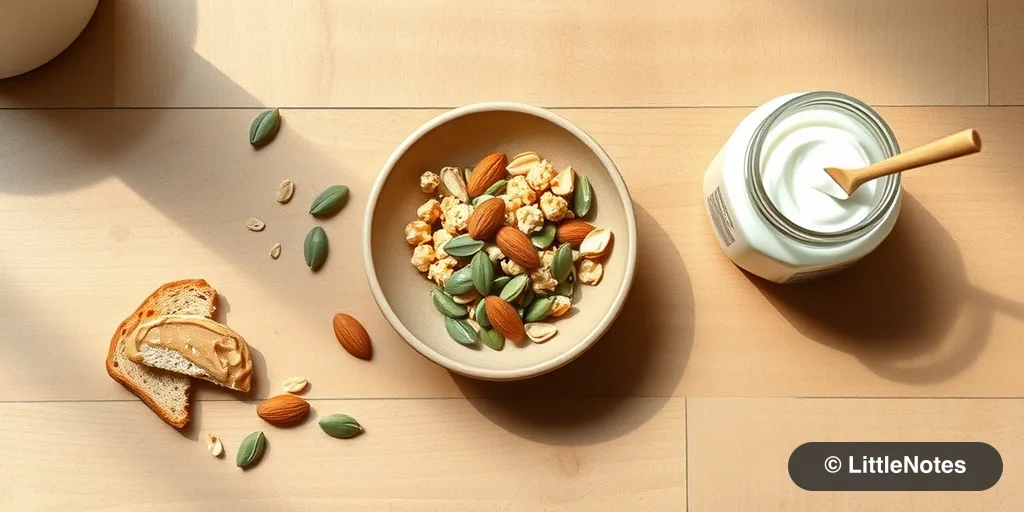
If you are on a dairy-free diet, snack on roasted makhana, nuts, seeds, or peanut butter on toast. Coconut or peanut curd are great alternatives for meals.
If your pediatrician has recommended a dairy-free diet due to suspected Cow’s Milk Protein Allergy (CMPA), it is natural to feel overwhelmed at first. The good news is that with a few simple swaps, you can maintain your nutrition and your milk supply while supporting your baby. Fueling Your Body Many parents worry that cutting out dairy will impact their sup…