Community-powered wisdom for first-time parents
Tips on feeding, sleep, milestones, and more — shared by parents who've been there.
Browse tips & articles by topic
Ask questions & share experiences
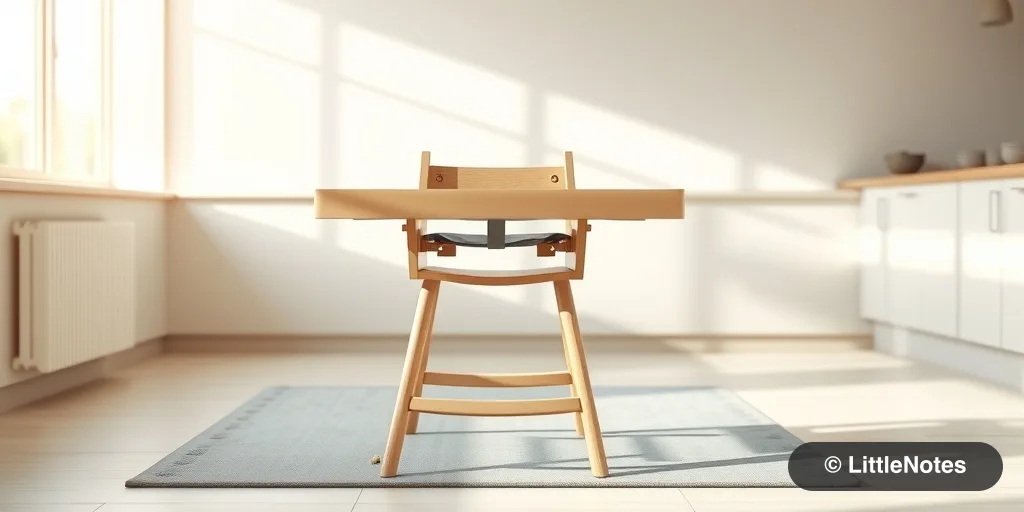
Avoid high chairs that convert into multiple functions, as they often lack the structural stability required for active toddlers who lean, stand, or jump.
Does your baby often cough, pull away, or cry during feeds? If you have a fast let-down, your milk may be coming out a bit too quickly for your baby to manage comfortably. This is very common, and there are several gentle adjustments you can make to help. Try Different Positions Changing the angle of gravity can significantly slow the flow of milk: Side-Lyin…
While some parents like to keep a small "emergency" stash, experts often advise against excessive pumping in the first few weeks if the baby…
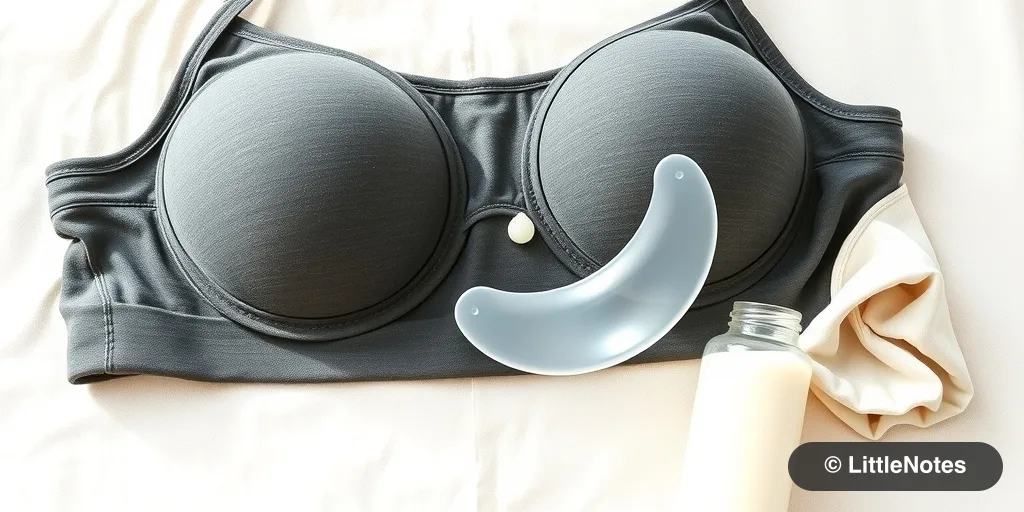
Use a silicone milk collector inside your bra to catch leaks on the non-feeding side. This helps build a freezer stash without the effort of a full pumping session.
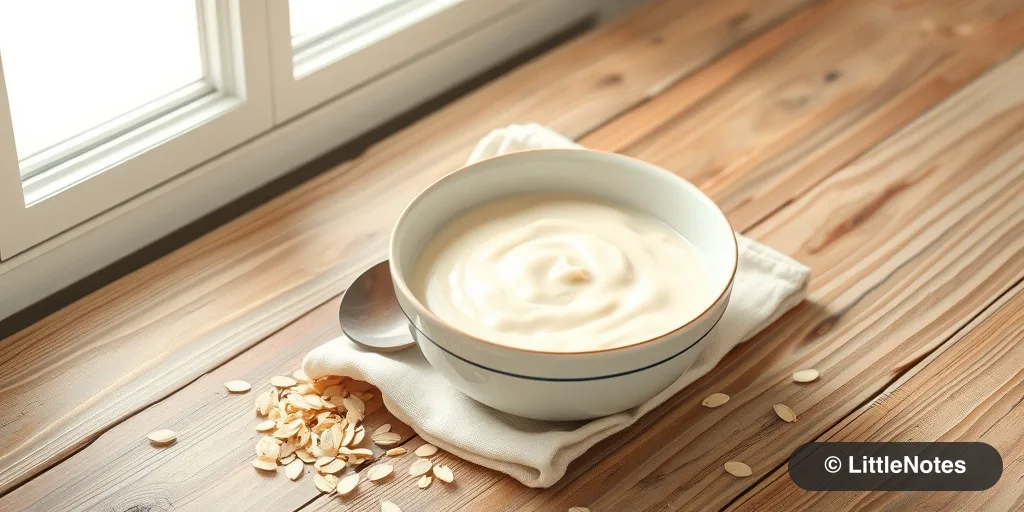
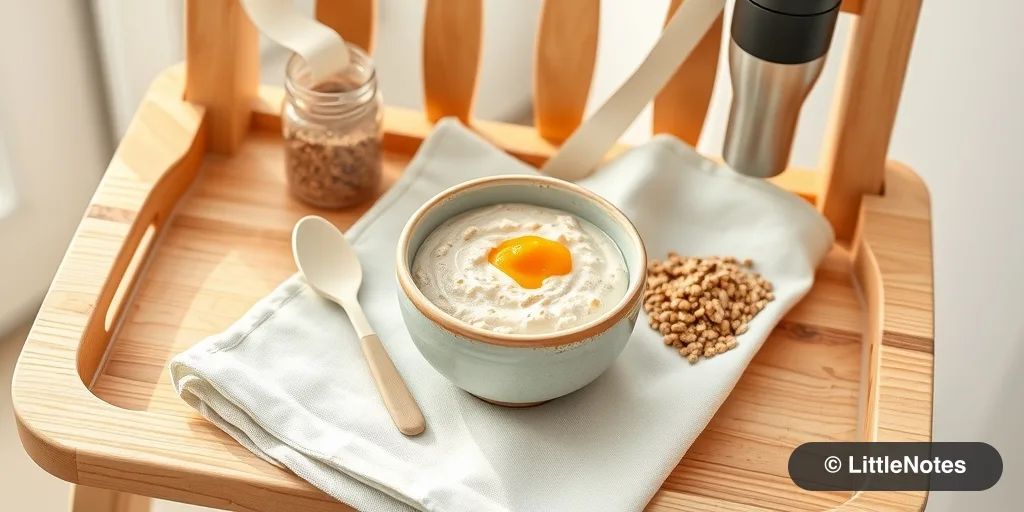
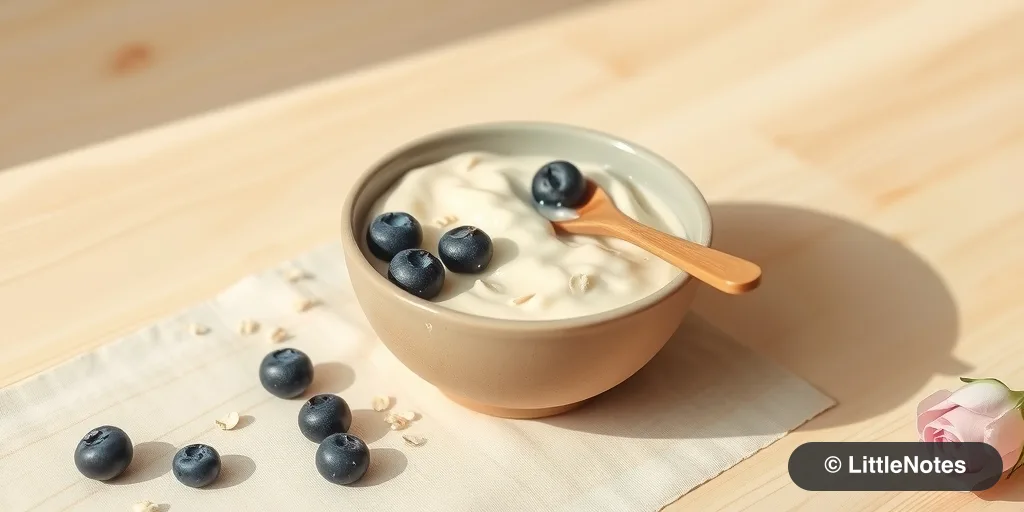
Rolled oats are generally the best choice for babies beginning solids. They cook into a soft, creamy texture that is much easier for infants…
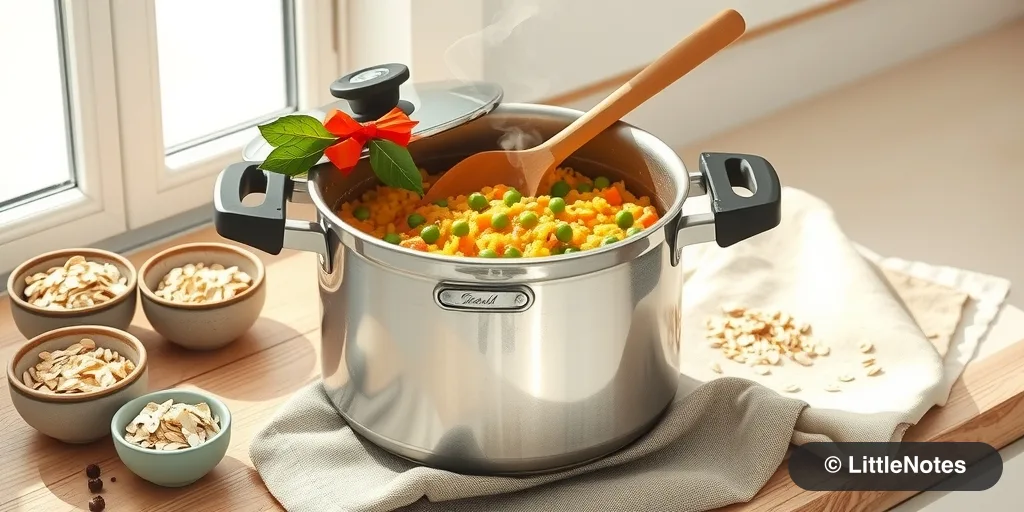
Steel-cut oats take longer to cook and work best for khichdi or pulao-style preparations when made in a pressure cooker.
Embarking on the solids journey is an exciting milestone. As you introduce your little one to new flavors and textures, it's natural to have questions about what to feed them and how to prepare it safely. Here is a guide to navigating the basics. Choosing the Right Grains When introducing solids, rolled oats are a favorite among parents. They cook into a sof…
Rolled oats are ideal for babies beginning solids because they cook into a softer, creamier texture that is easier to digest and swallow than steel-cut oats.
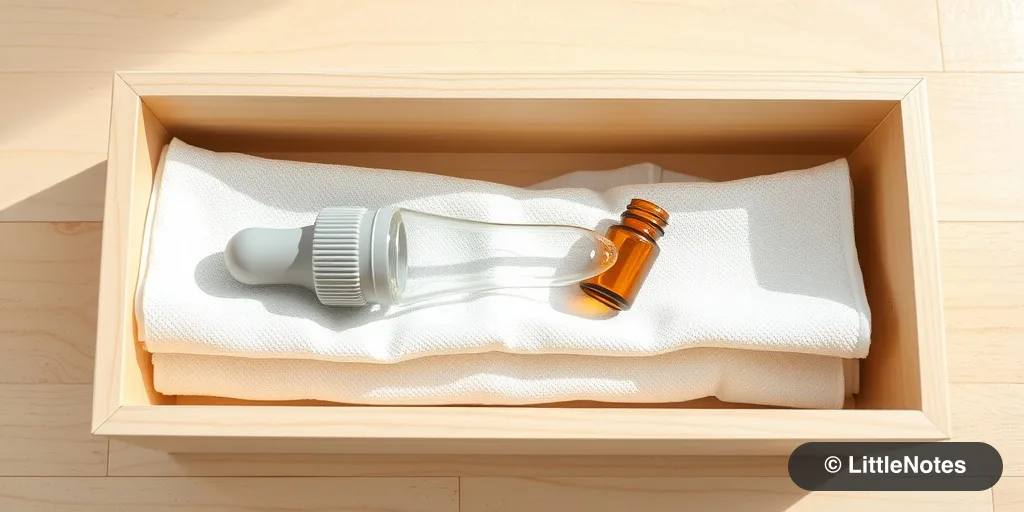
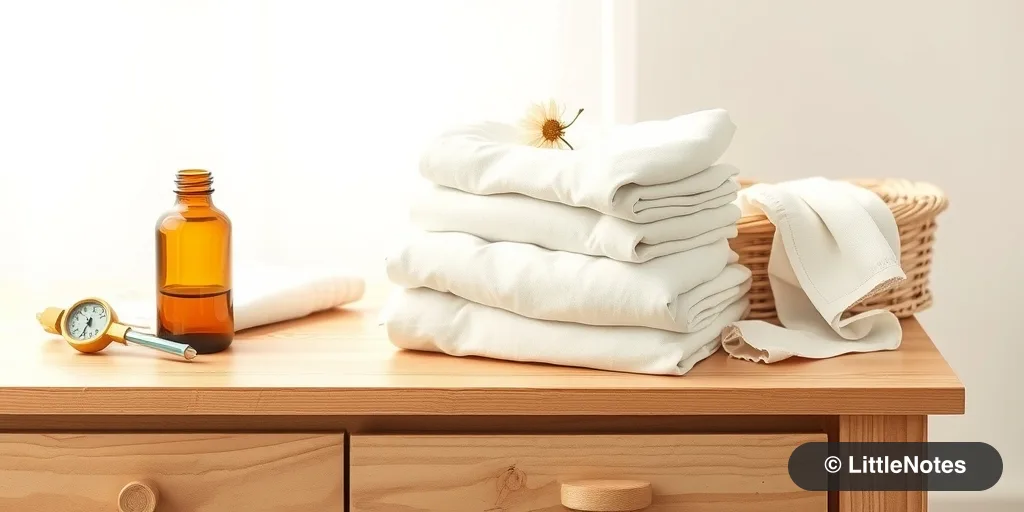
Always keep medicine droppers separately from the bottle, ensuring they are cleaned and stored in a separate box after each use.
Wait for at least half an hour after a feeding session before performing a baby massage.
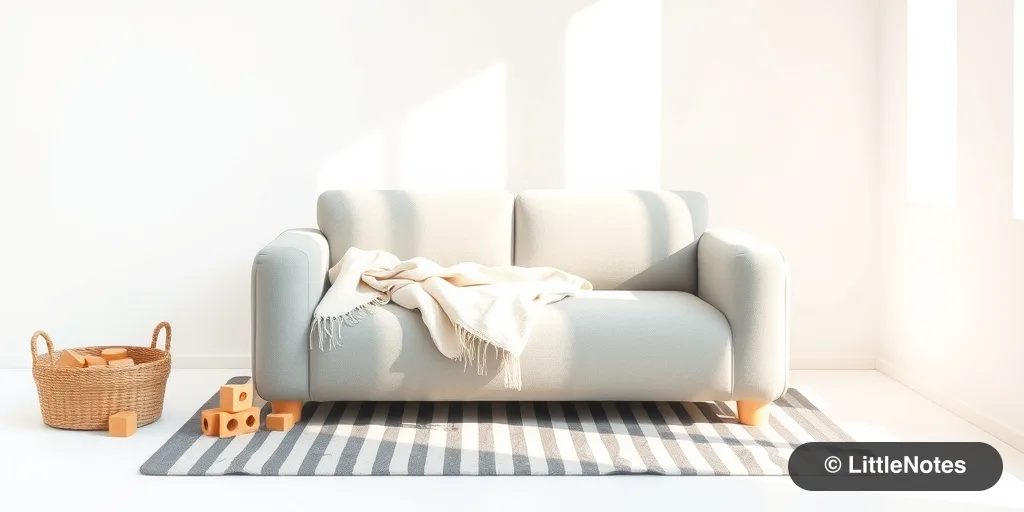
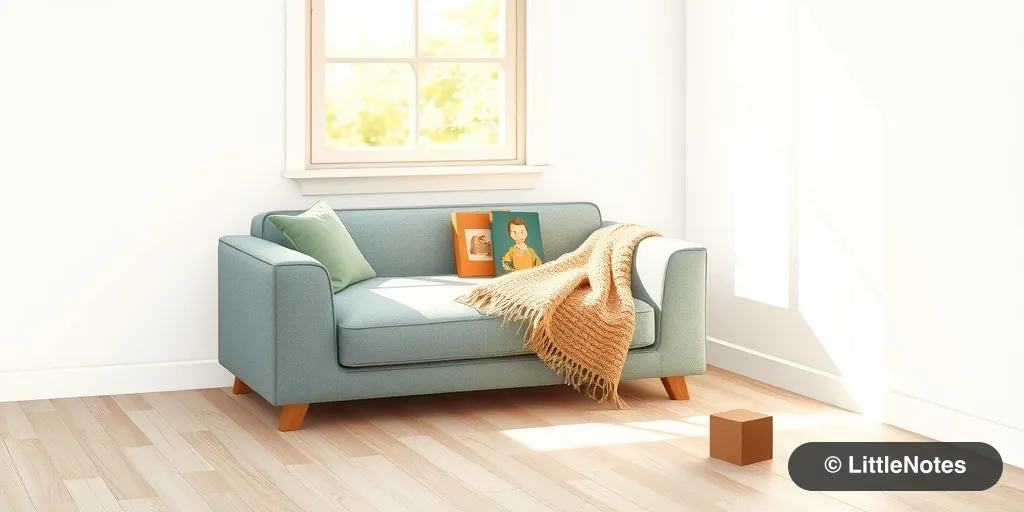
A lightweight, portable toddler sofa gives children their own dedicated space and is easy to move between rooms, encouraging independent play and seating.
As your toddler becomes more independent, you might be wondering if a dedicated 'kids' sofa' is worth the floor space. While a step stool can help your child access your regular furniture, a small, portable toddler sofa offers several unique benefits: Why Parents Love Them: A Sense of Ownership: Toddlers often love having their own "big kid" furniture. It ca…
A small, child-sized sofa can be a great addition to your home, as many toddlers enjoy having their own dedicated space to sit, read, or pla…
Mix two drops of almond oil with two drops of potato juice and apply to the under-eye area. Leave it on for an hour or overnight to help reduce the appearance of dark circles.
Moderate exercise generally does not negatively affect your milk supply. However, it is crucial that you nourish your body well with enough…
Working out does not directly affect milk supply, but it is crucial to stay hydrated and nourish your body properly to sustain energy and production levels.
If eye bags and dark circles persist, check your hemoglobin and ferritin levels. Addressing underlying nutritional deficiencies or digestion issues can be more effective than topical creams alone.
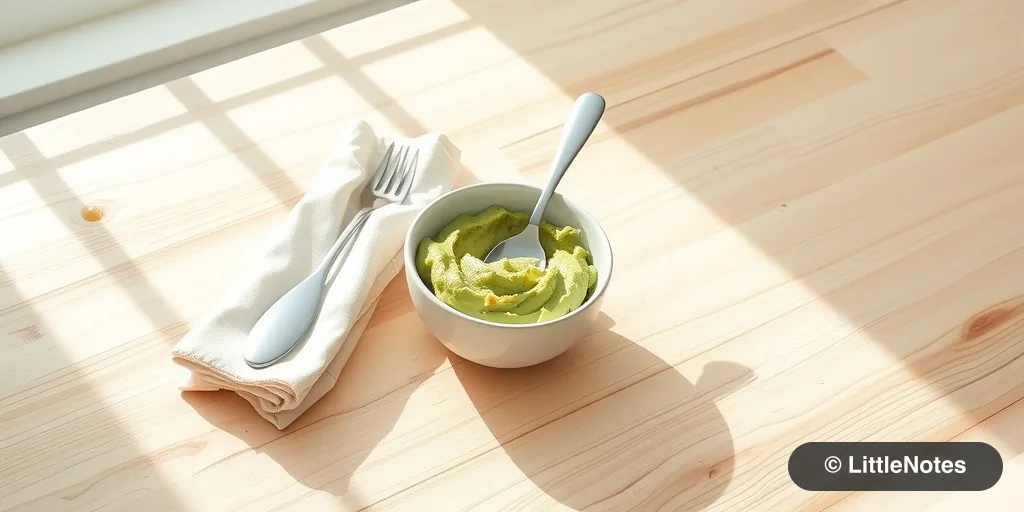
Toddlers learn by watching; sitting together or having them watch others eat helps them understand how to navigate utensils and self-feed.
One of the most frequent topics of conversation among new parents is, surprisingly, what’s happening in the diaper! It is completely normal to be hyper-aware of your baby’s digestion, especially during the first year as their diet evolves. Stool Frequency and Color In the early months, stool patterns can vary wildly. Breastfed babies may go days without a bo…
A ten-month-old typically needs around 12 to 14 hours of total sleep within a 24-hour period. This usually consists of about 10 to 12 hours…