Community-powered wisdom for first-time parents
Tips on feeding, sleep, milestones, and more — shared by parents who've been there.
Browse tips & articles by topic
Ask questions & share experiences
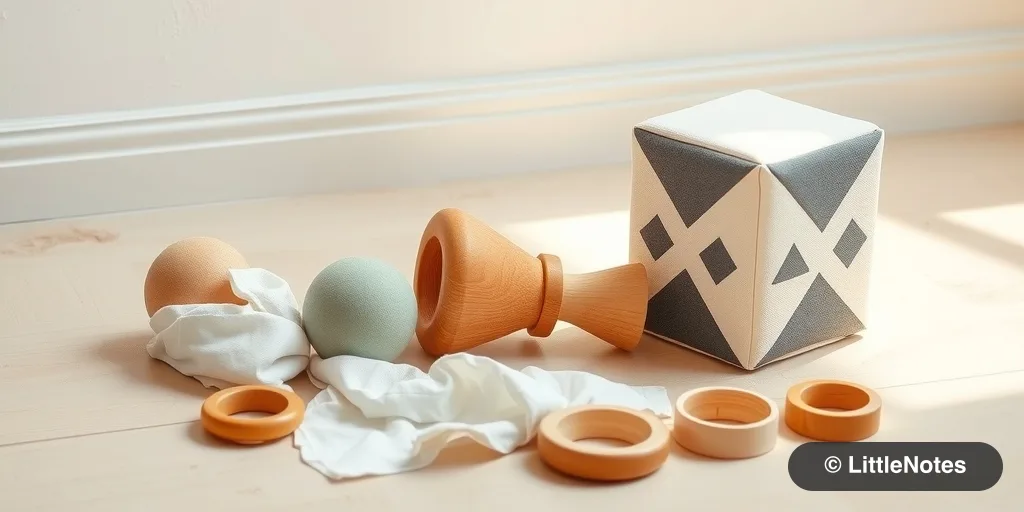
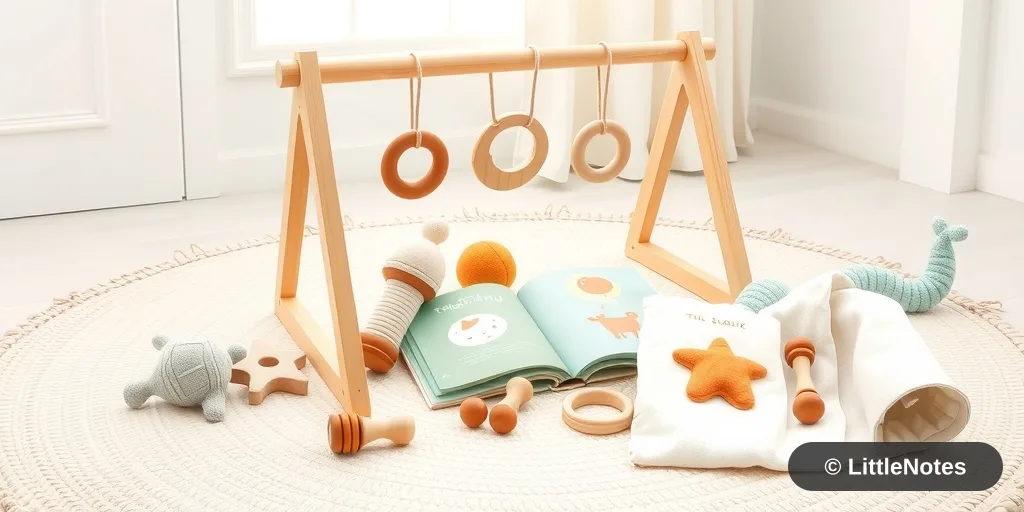
The toy market is flooded with gadgets that claim to boost sensory development, but many parents find that "less is more." If you’re looking to build your collection, here is some insight based on what actually keeps babies interested. The Hit List Touch-and-Feel Books: Hardcover books with varied textures are consistently popular. They provide a tactile exp…
DIY sensory bags (like those filled with water or sand) can be a choking hazard for babies who tend to put everything in their mouths. These are better suited for older babies who are past the phase of mouthing objects.
When choosing a play gym, look for options that include an attached mat so the gym stays in place while the baby moves. Lightweight wooden structures may be easily tipped over by active babies once they reach 3 months.
Many parents find that simple, high-quality touch-and-feel board books with different textures are a hit for engagement, while some 'viral'…
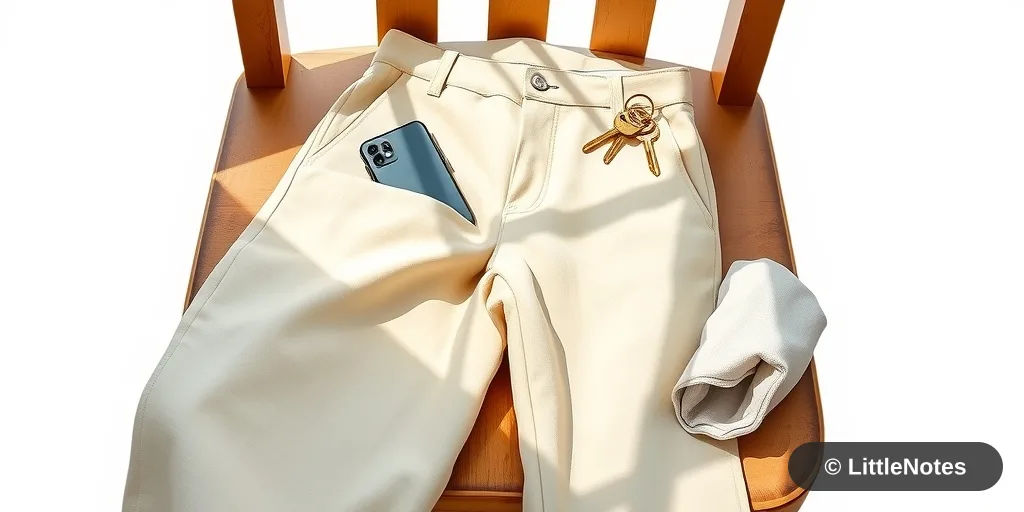
Loose-fitting trousers with deep pockets are a practical choice for parents who need to keep essentials like pacifiers, keys, or phones easily accessible while moving around.
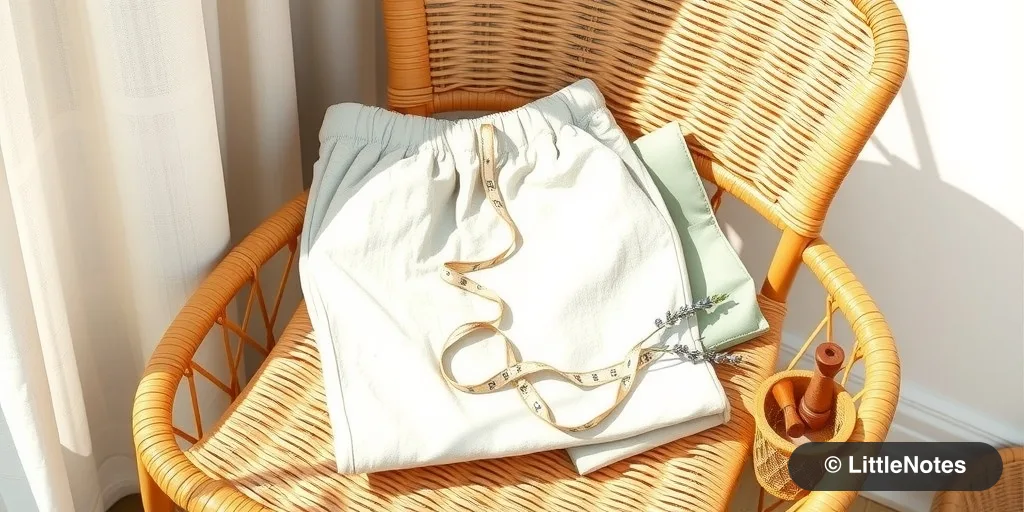
When buying pants for postpartum comfort or casual wear, look for elasticated back belts and drawstring waists for a flexible, adjustable fit. Breathable fabrics like cotton with linen weaving are ideal for comfort during long days.
Yoga and meditation sessions tailored for children can help instill human values, mindfulness, and respect for culture in a fun, interactive way.
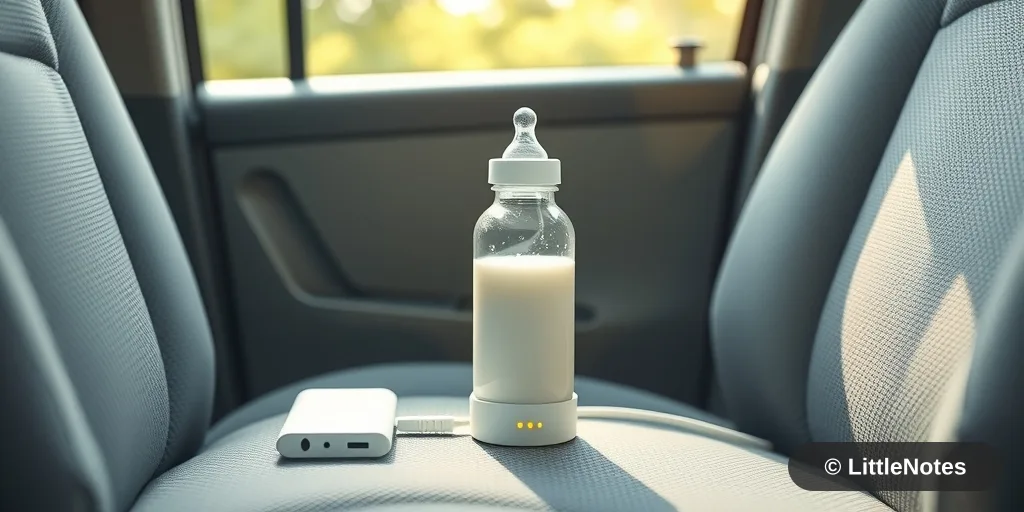
Portable USB-powered bottle warmers with constant temperature technology are excellent solutions for heating milk while on the go.
If you are experiencing persistent dizziness or low blood pressure postpartum, start by scheduling a visit with your gynecologist, as they a…
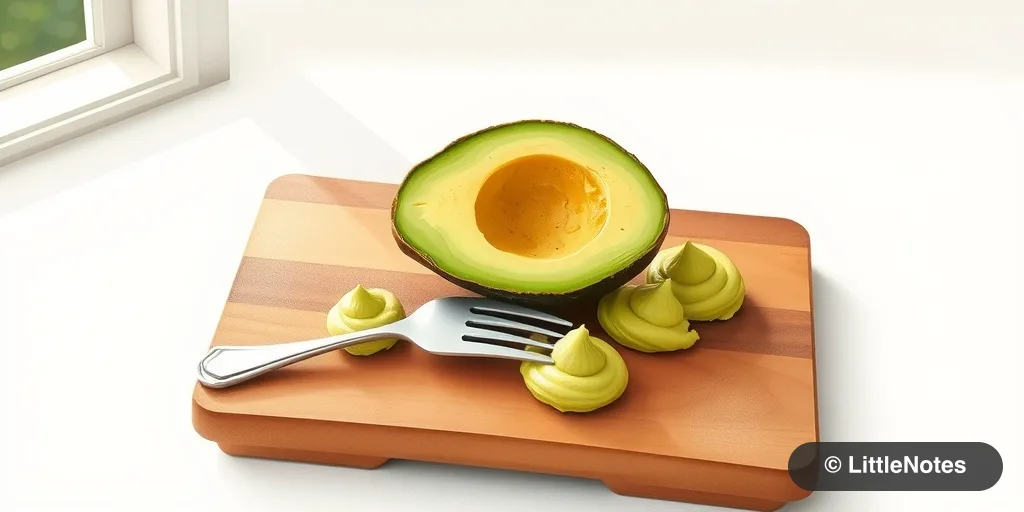
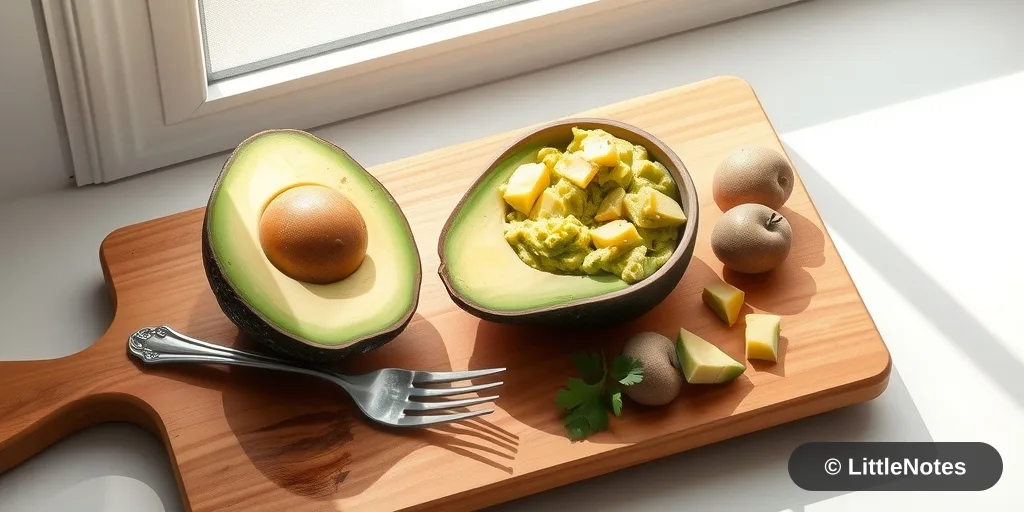
Avocado is one of the easiest first foods because it does not require cooking or steaming. Simply choose a properly ripe avocado, scoop out…
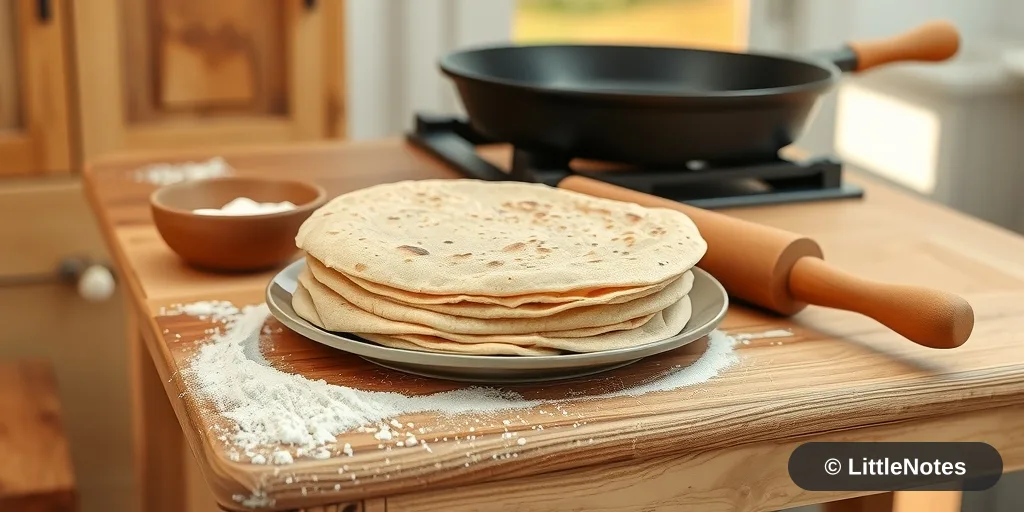
Pediatricians often suggest transitioning babies to family foods rather than special "baby" flours, so using the same flour as the rest of the household for rotis is perfectly fine.
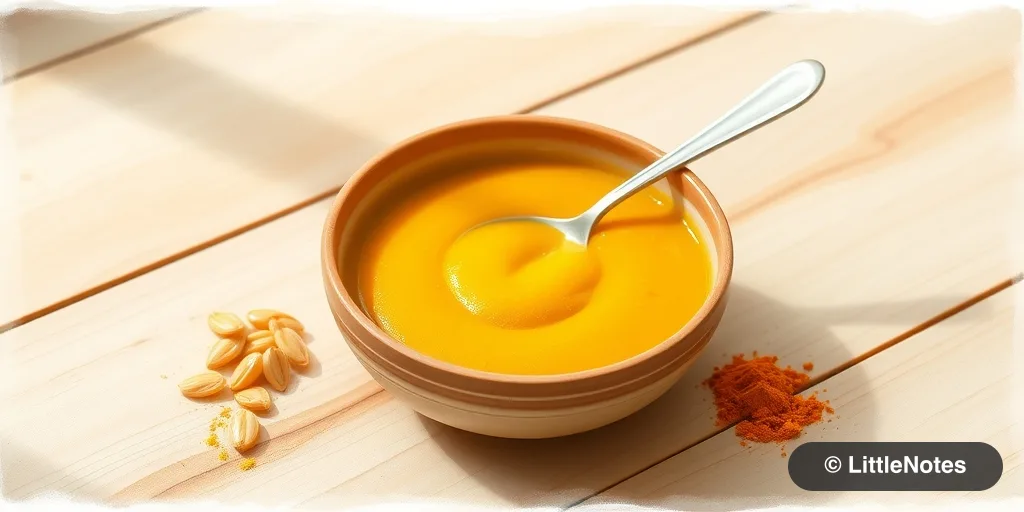
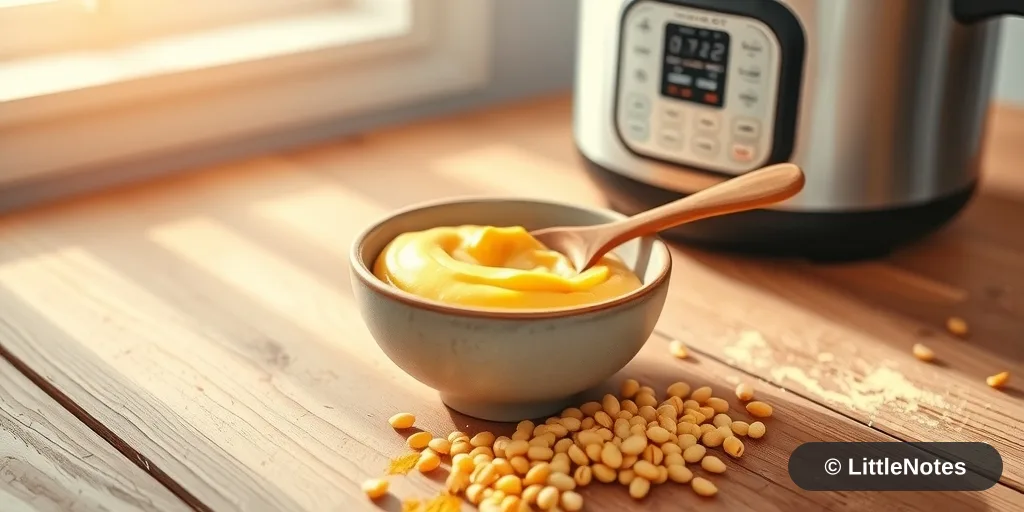
For a 5-month-old just starting solids, simple is best. Cook one tablespoon of yellow moong dal with a pinch of turmeric in a pressure cooke…
Ripe avocados do not need to be cooked; simply mash them with a fork to the appropriate consistency for your baby’s stage (pureed or chunky).
When introducing yellow moong dal to infants, wash, soak for at least 20 minutes, then pressure cook with a pinch of turmeric until very soft before mashing or blending.
You can use the same regular flour that you use for your family's meals. Most pediatricians encourage incorporating babies into the family m…
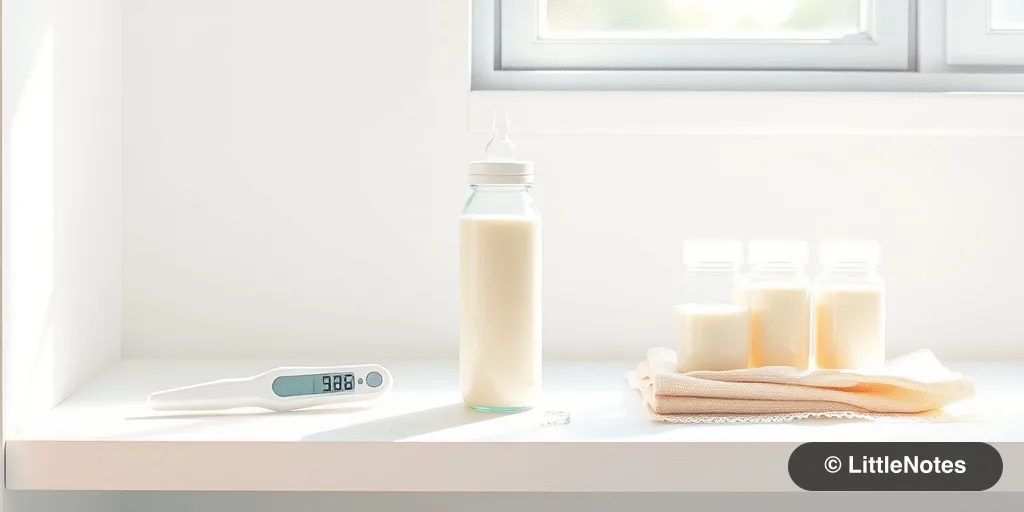
Avoid mixing freshly pumped warm milk with already refrigerated cold milk to prevent temperature fluctuations that could affect milk quality.
Most babies are ready to transition from a level 1 to a level 2 nipple after three months of age. To make the shift easier on your baby's di…
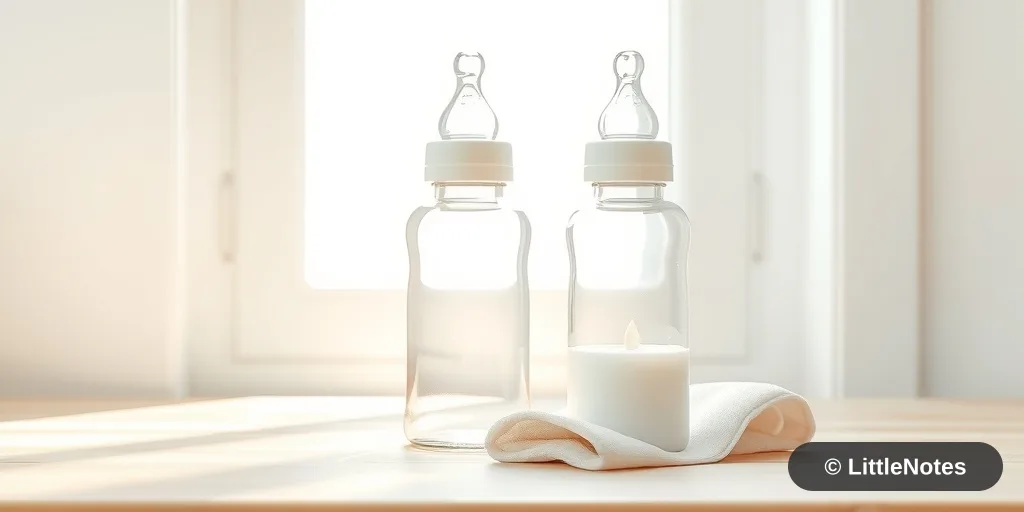
You can store breast milk in clean glass jars, mason jars, or dedicated milk storage containers. When pooling milk, the most important rule…
As you build your breast milk stash, managing storage efficiently is key to saving time and reducing waste. Many parents wonder about the best practices for "pooling" milk—combining milk from different pumping sessions into one container. The Golden Rule: Temperature Matching The most important rule in milk storage is to avoid mixing fresh, warm milk with mi…
When transitioning your baby to a faster-flow bottle nipple, slowly introduce the new level over a week or two to allow their digestion to adjust to the increased flow.