Community-powered wisdom for first-time parents
Tips on feeding, sleep, milestones, and more — shared by parents who've been there.
Browse tips & articles by topic
Ask questions & share experiences
Many local artisanal bakers now specialize in 'sugar-free' or baby-friendly cakes, often using natural sweeteners like mashed bananas, dates…
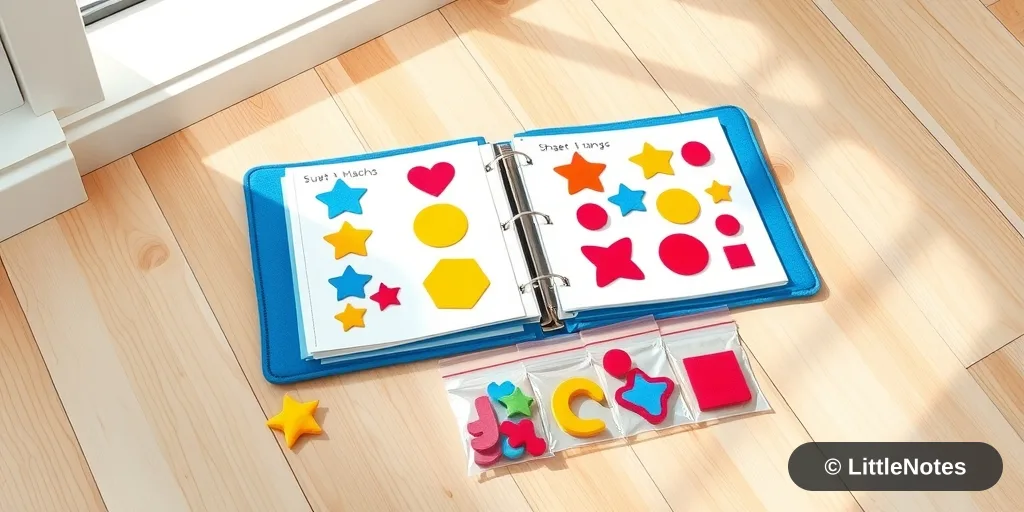
When using busy binders with a 2-year-old, store the small pieces in individual ziplock bags. It makes cleanup significantly faster and helps prevent losing components when your child inevitably scatters them.
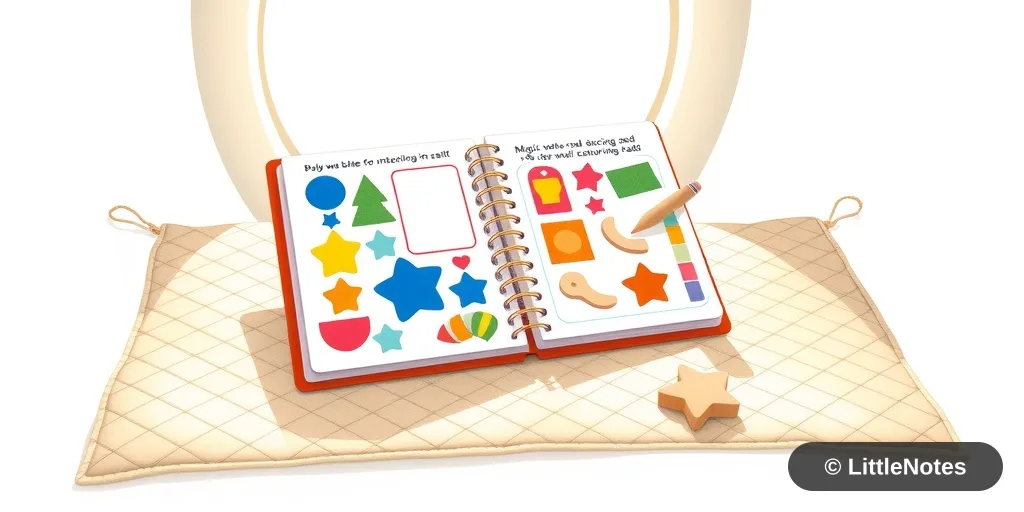
For 2-year-olds on long flights, bring toys that provide sensory engagement like playdough, sticker books, or 'magic water' coloring pads, which keep them busy without making a mess.
Traveling with a toddler is much easier when you have a variety of low-mess, high-engagement tools. Parents recommend items like playdough,…
As you introduce dairy into your baby's diet, choosing the right yogurt is an important step. Yogurt is an excellent source of calcium and probiotics, but not all store-bought options are created equal. What to Look For When scanning the dairy aisle, prioritize brands that keep their ingredient lists simple. Ideally, you want a product that contains only mil…
When buying store-bought yogurt, look for local, high-quality brands like Akshayakalpa or Sid’s Farm as reliable alternatives to homemade options.
If you are looking for alternatives to homemade curd, many parents recommend choosing brands that prioritize high-quality, clean-label proce…
If you are looking for investment advice for your child's future, consider the Sukanya Samriddhi Yojana. This government-backed scheme is specifically designed to support the financial well-being of the girl child.
For many parents of toddlers, the cycle of buying new toys only for them to be ignored after a few days is all too familiar. Enter the toy library—a subscription-based service that allows you to borrow toys for a set period and swap them out when your little one is ready for something new. The Benefits Sustainability: Reducing household clutter and consumer …
For a sturdy, mid-range car seat and stroller option, the Star and Daisy Coballe is a highly-rated choice. If portability is a priority, brands like R for Rabbit and Joie offer reliable, lightweight models.
When you’re preparing for your little one, a stroller is likely one of the biggest investments you’ll make. If you’re trying to find that “Goldilocks” pram—one sturdy enough for daily neighborhood walks but nimble enough to bring along on international flights—you aren't alone. The 'Daily Driver' vs. The Travel Companion It’s helpful to think about your stro…
For mid-range options, Star and Daisy (specifically the Coballe model) is frequently recommended for its sturdiness, though it can be heavy.…
A dry cough in infants can often be managed by increasing the humidity in their sleep environment; a humidifier is highly recommended to kee…
If a baby becomes frustrated with traditional teethers they cannot maneuver, consider choosing lightweight, ergonomic designs that are easier for smaller hands to grasp and guide to the mouth.
When using sunlight for vitamin D or jaundice management in newborns, stick to early morning sun (before 8:00 AM) and keep exposure brief, typically 10–15 minutes, to protect delicate skin.
If your infant has a dry cough, using a humidifier can add much-needed moisture to the air and help soothe their airways.
For many new parents, the balance between providing healthy sunlight exposure and protecting delicate infant skin can be confusing. Sunlight is a natural way to help newborns produce Vitamin D and can assist in resetting their circadian rhythms, helping them distinguish between day and night. However, it is essential to approach this with caution, as an infa…
If your 5-month-old has suddenly started chewing on everything in sight—from their own fingers to the edges of blankets—you are likely witnessing the beginning of the teething phase. While not every infant starts teething at five months, oral exploration is a key developmental milestone at this age as babies learn to use their mouths to interact with the wor…
Sunlight exposure is beneficial for newborns, especially for regulating their circadian rhythm and supporting Vitamin D synthesis. For very…
To help newborns establish a healthy day-night orientation, take them for outdoor walks or expose them to natural light around sunset to help regulate their circadian rhythms.