Community-powered wisdom for first-time parents
Tips on feeding, sleep, milestones, and more — shared by parents who've been there.
Browse tips & articles by topic
Ask questions & share experiences
Increased drooling and spit-ups in an 8-month-old, especially after starting new foods, can often be attributed to teething discomfort rather than an allergic flare-up.
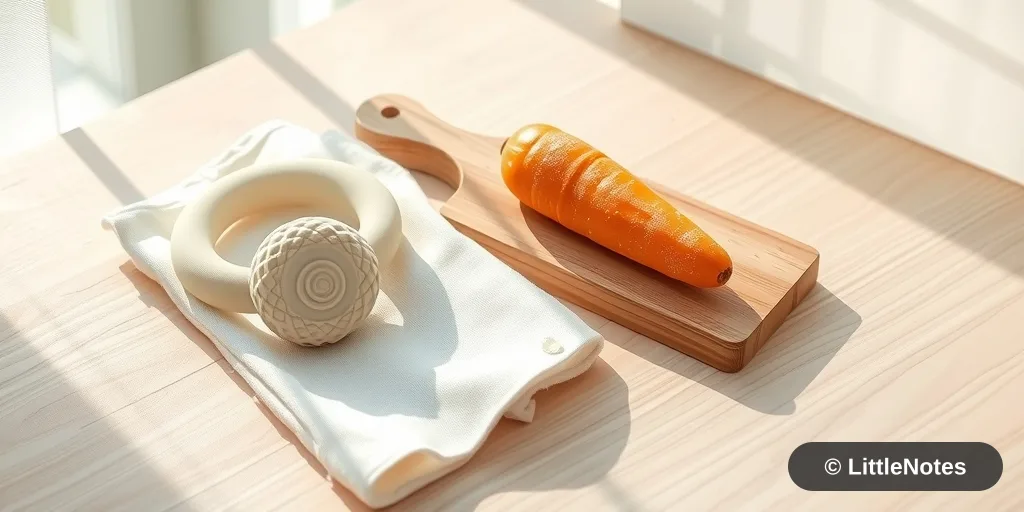
Teething typically begins between 4-7 months and can cause drooling, crankiness, and swollen, tender gums. You can provide relief by offerin…
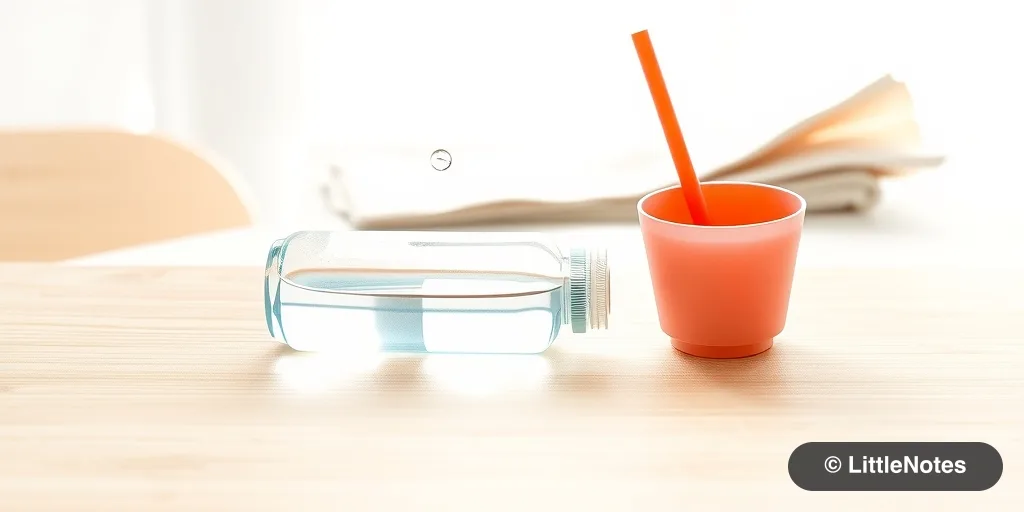
When teaching a toddler to use a straw, you can introduce the concept by offering water via a medicine dropper to get them comfortable with the suction sensation before transitioning to a straw bottle.
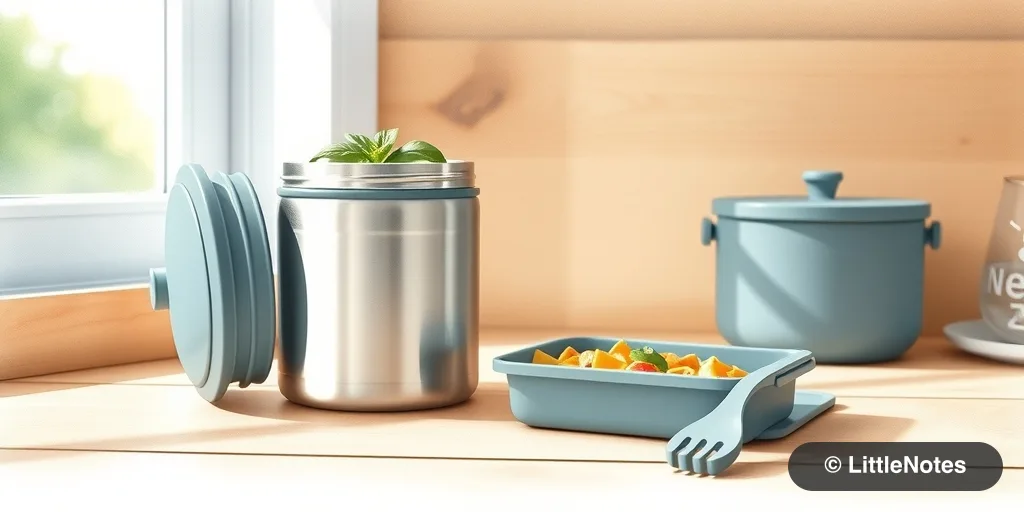
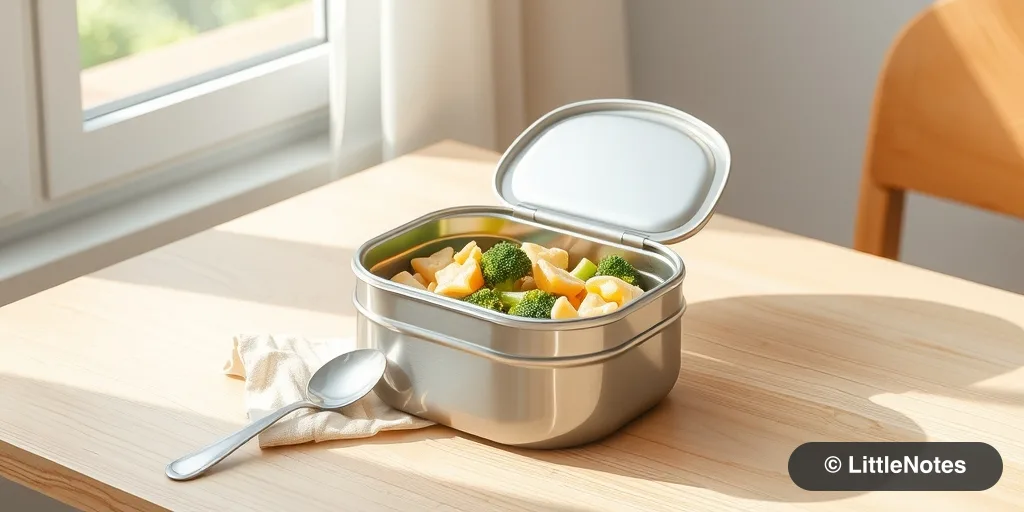
Packing lunch for a toddler can feel like a logistical puzzle. You want something that keeps food at a safe, appetizing temperature, is durable enough to survive a playground drop, and is easy for tiny hands to manage. What to Look for in a Tiffin Compact Design: Avoid oversized containers. A smaller, well-insulated box keeps portions manageable and reduces …
Many parents recommend looking for compact, stainless-steel insulated tiffins to keep meals warm for a few hours. 'Basil' is a frequently su…
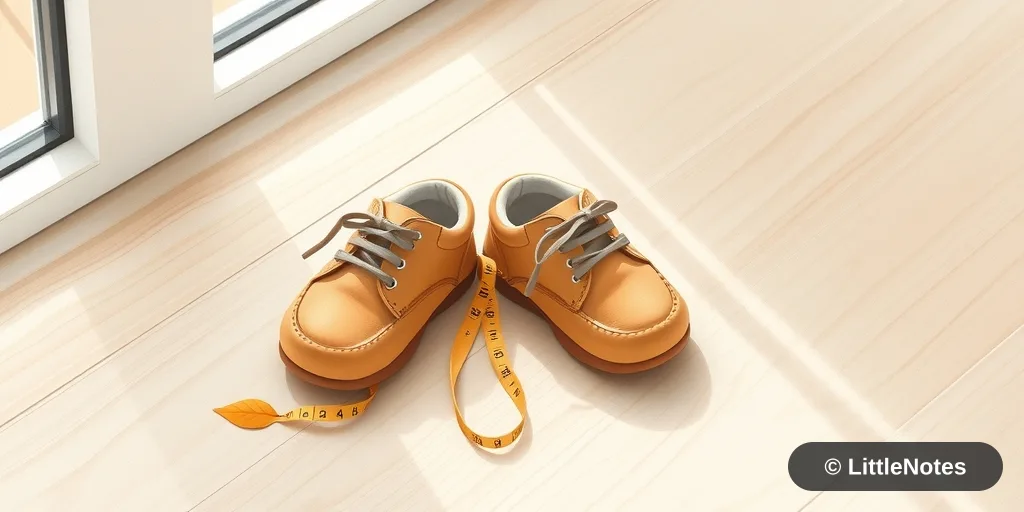
Transitioning from socks to shoes is a significant milestone that often comes with its fair share of resistance. Many toddlers are perfectly content with the tactile feedback of being barefoot or wearing socks, and the sudden introduction of a rigid, structured shoe can feel like a sensory overload. If your little one is protesting, don’t be discouraged—this…
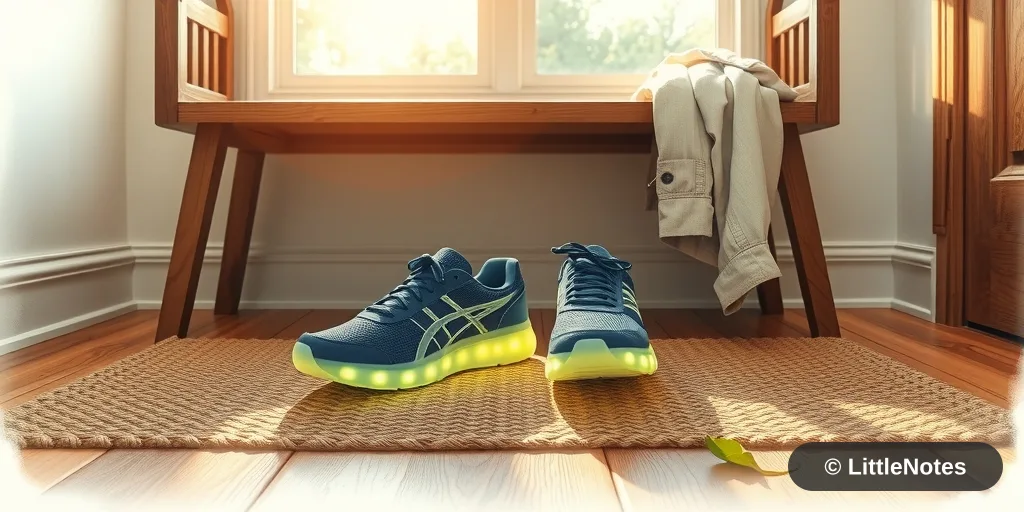
For toddlers who resist wearing traditional shoes, try options with built-in lights or their favorite colors. Some parents find that light-up footwear helps overcome the initial aversion to having shoes on their feet.
For recurring cockroach issues, many parents find that professional gel baits are significantly more effective than general pest control spr…
It is very common for toddlers to resist footwear initially. Brands like Aretto and Onyc are frequently recommended for their comfort and su…
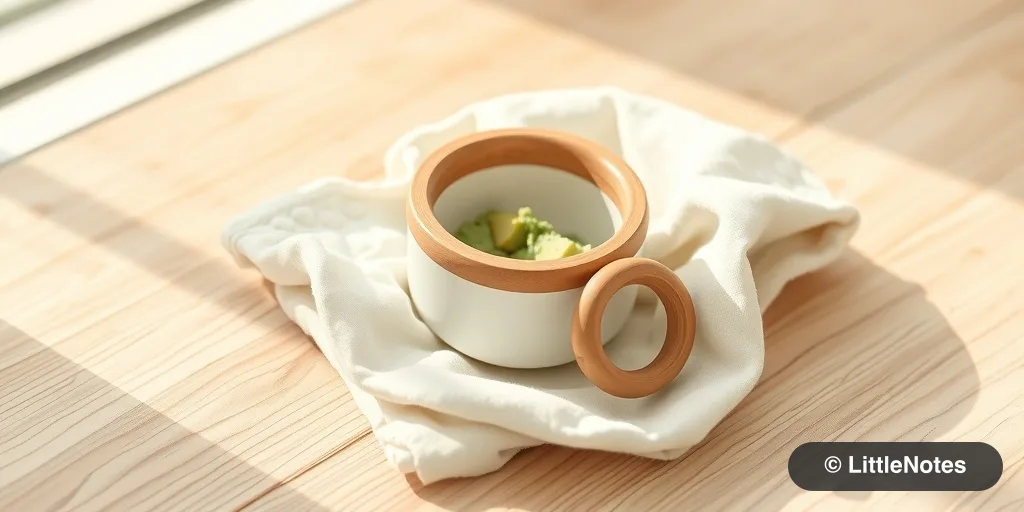
When starting solids, consider skipping purees in favor of hand-mashing foods with a fork. This helps babies get used to different textures early on, making the transition to finger foods much easier.
If you are concerned about persistent loose stools, remember that probiotics generally take several days to a week to show results as they need to colonize the gut. Always follow your pediatrician's specific advice on the duration of any prescribed supplements.
If your toddler is experiencing frequent loose motions, focus on the BRAT diet (Banana, Rice, Applesauce, Toast), which includes bland, bind…
For many parents, a cushion is a very helpful addition during the early months of learning to sit unsupported, as it keeps smaller babies se…
If your baby consistently experiences severe symptoms like continuous vomiting and the expulsion of undigested food shortly after eating egg…
Yes, it is common to see significant changes in stool color, frequency, and consistency once a baby transitions to solids. As they begin to…
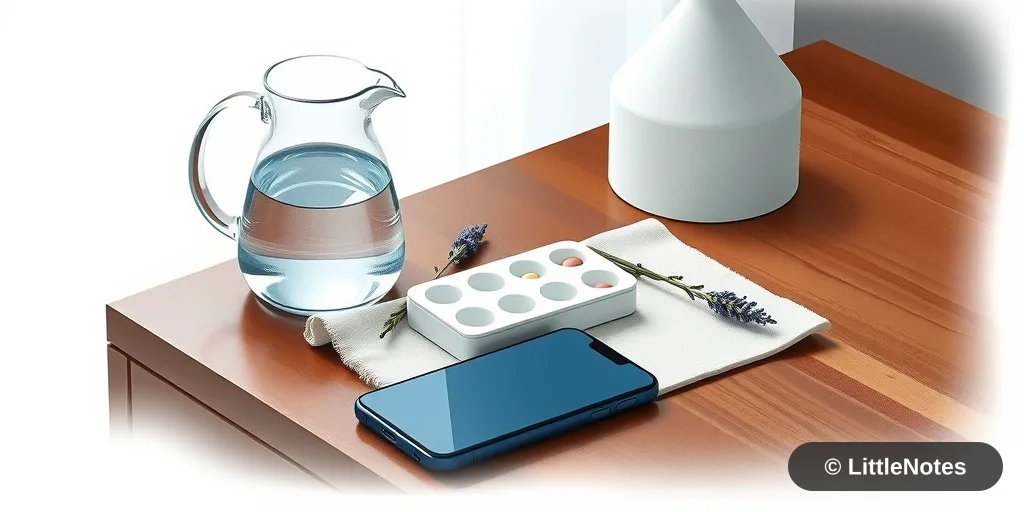
To prevent excessive sugar intake, avoid standard 'health' drinks for postpartum recovery. Instead, keep your doctor-prescribed calcium and iron supplements in a visible, easily accessible pill box on your bedside table.
3D-printed toys can be a fun and customizable option for toddlers, but safety should always be the priority. When selecting or printing toys…
Managing postpartum medication and supplements can be difficult, especially with the exhaustion of newborn care. To stay on track, consider…
Teething typically starts between 4-7 months, characterized by drooling, chewing on toys, and crankiness. If your baby seems distressed, avo…
When navigating postpartum recovery and the challenges of early parenthood, joining peer support listening circles can provide a necessary space to process emotions and feel connected to a supportive community.