Community-powered wisdom for first-time parents
Tips on feeding, sleep, milestones, and more — shared by parents who've been there.
Browse tips & articles by topic
Ask questions & share experiences
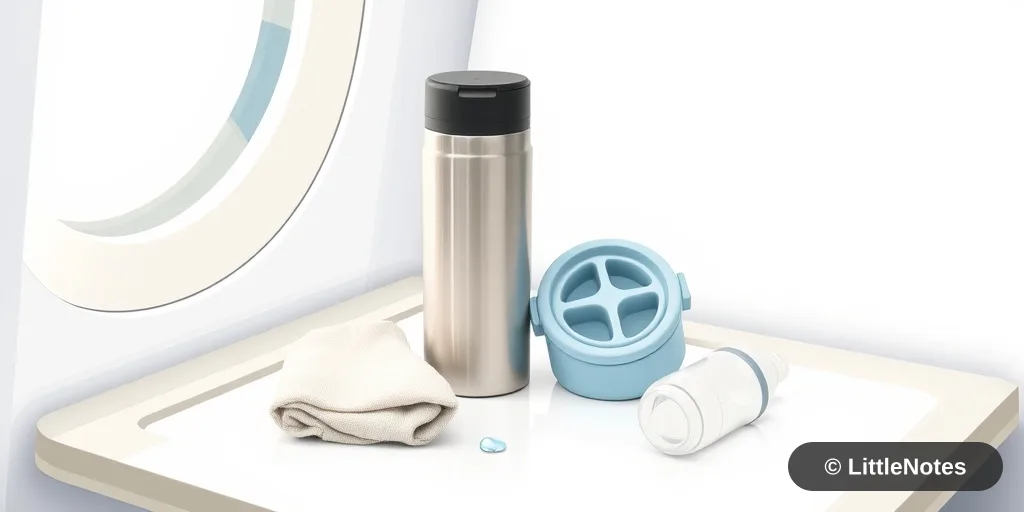
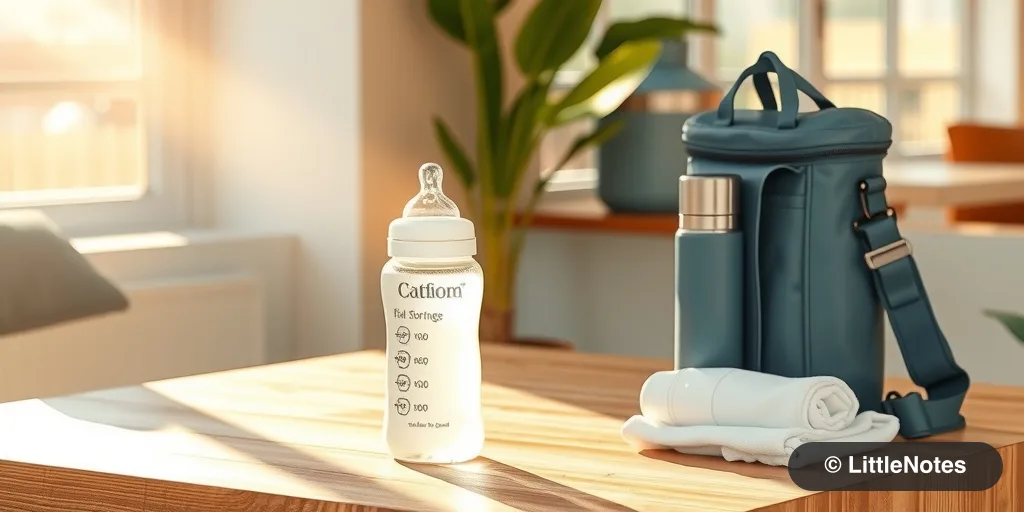
When traveling with formula, carry dry, pre-measured powder in a container and a thermos of warm water to mix feeds on the spot. This ensures freshness and avoids the risks of pre-prepared milk spoiling.
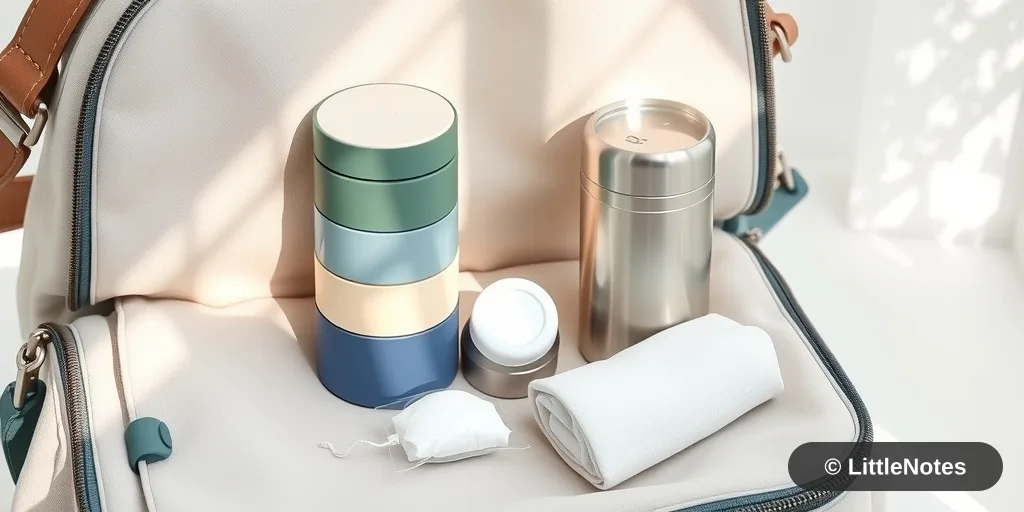
Traveling with a formula-fed baby doesn't have to be a logistical nightmare. With a bit of preparation, you can make feedings on the road as stress-free as possible. The "Pre-Measure" Method Never worry about spills or counting scoops in a moving vehicle again. The most popular trick among experienced parents is the dry-measure method: The Container Hack: Us…
To make formula feeding easier while traveling, pack pre-measured amounts of formula powder in a specialized travel container or snack stack…
If your child's birthday falls just after the school admission cut-off date, you have probably felt the frustration. Under India's National Education Policy, a child must be 6 years old to enter Grade 1, and this has created a heated debate among parents. How It Works The cut-off date varies by state: June 1 in southern states and March 31 in northern states…
Under the National Education Policy, children must be 6 years old to enter Grade 1, with a cut-off date of June 1 in southern states and Mar…
It is a common scenario for many breastfeeding parents: your little one happily takes a bottle for the first few weeks, only to suddenly refuse it around the 3-to-4-month mark. This can be stressful, especially when you are preparing to return to work or just need a well-deserved break. If you are facing bottle rejection, know that you are not alone, and it …
To handle a baby's bottle refusal, try offering the bottle when they are drowsy, such as during a 'dream feed,' or have a non-breastfeeding caregiver provide the bottle while you stay out of sight.
It is very common for breastfed babies to start refusing bottles after 6-8 weeks of age. Try having someone other than the breastfeeding par…
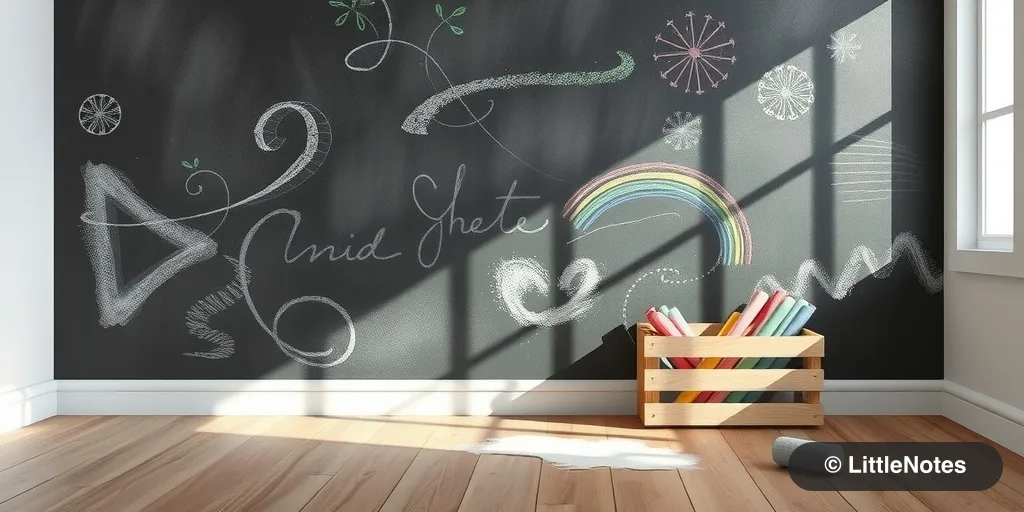
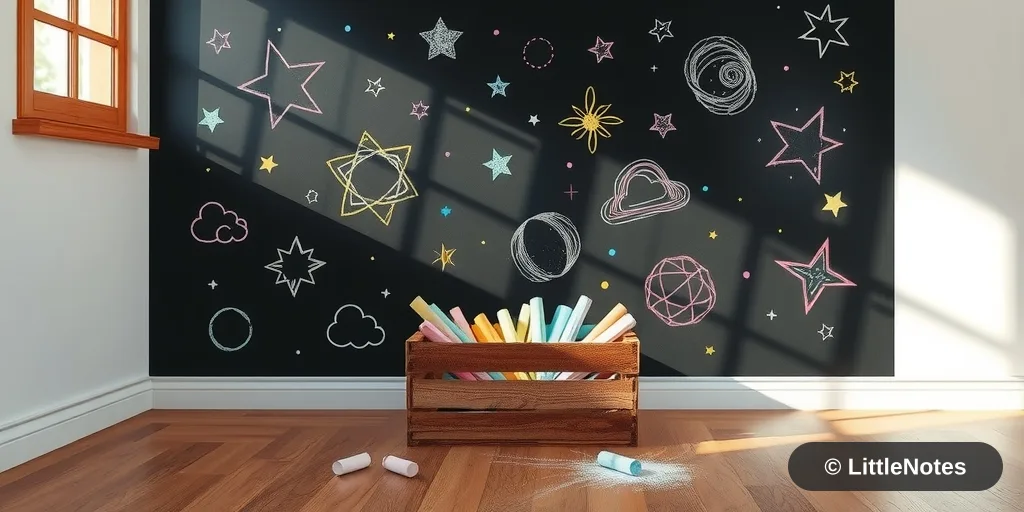
Chalkboard wallpaper on one wall gives toddlers a designated scribbling surface. They can draw with coloured chalks freely, and it saves the rest of your walls from becoming an art gallery.
The first few weeks of school are often the most challenging, but consistency helps. Create a 'goodbye ritual' like drawing matching hearts…
If you are concerned about wall scribbles, consider applying chalkboard wallpaper to one wall. It provides a dedicated space for children to draw with colored chalks while saving the rest of your home.
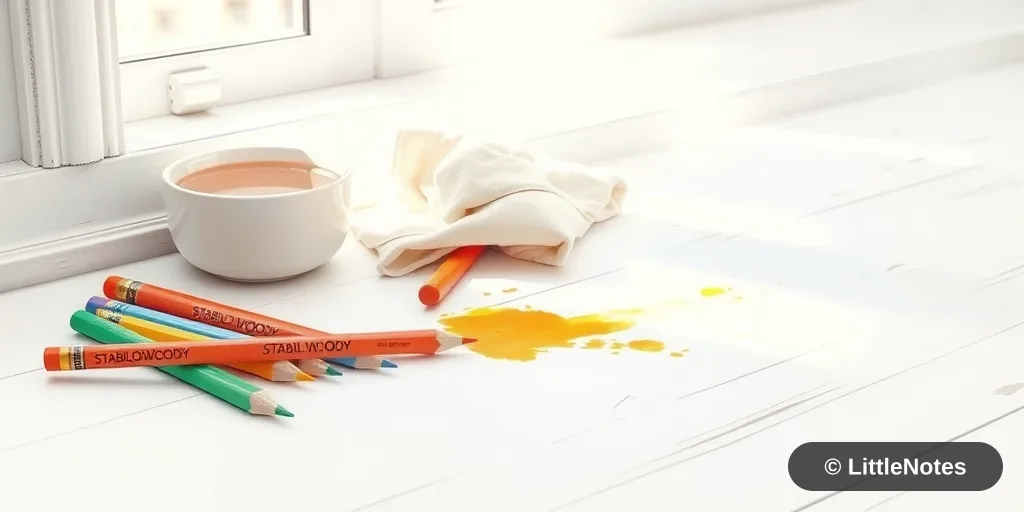
For toddlers in the scribbling phase, Stabilo Woody 3-in-1 pencils are a great choice; they are easy for small hands to grip and wipe off easily from walls, floors, and furniture.
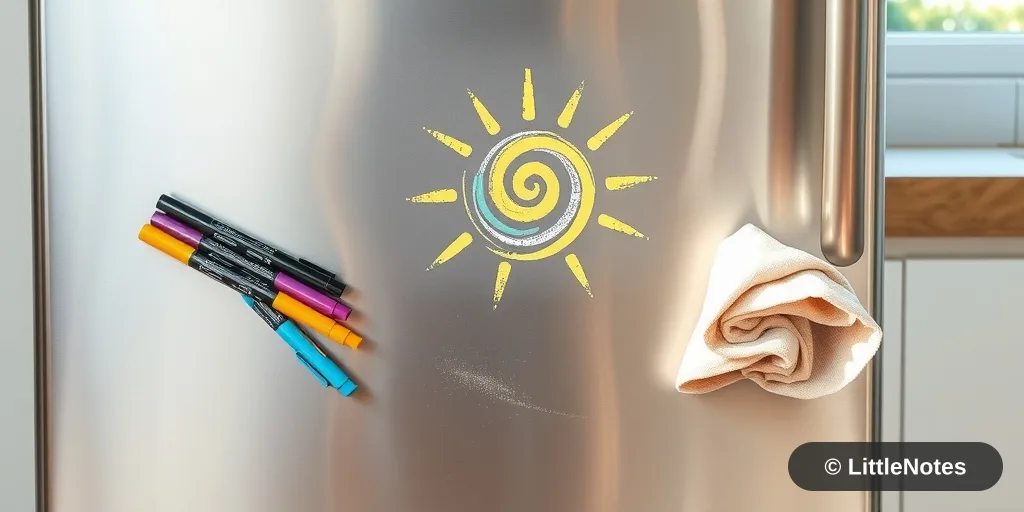
Chalk pens are an excellent tool for creative toddlers as they can be used on surfaces like fridges and shelves and wipe off cleanly with a simple cloth.
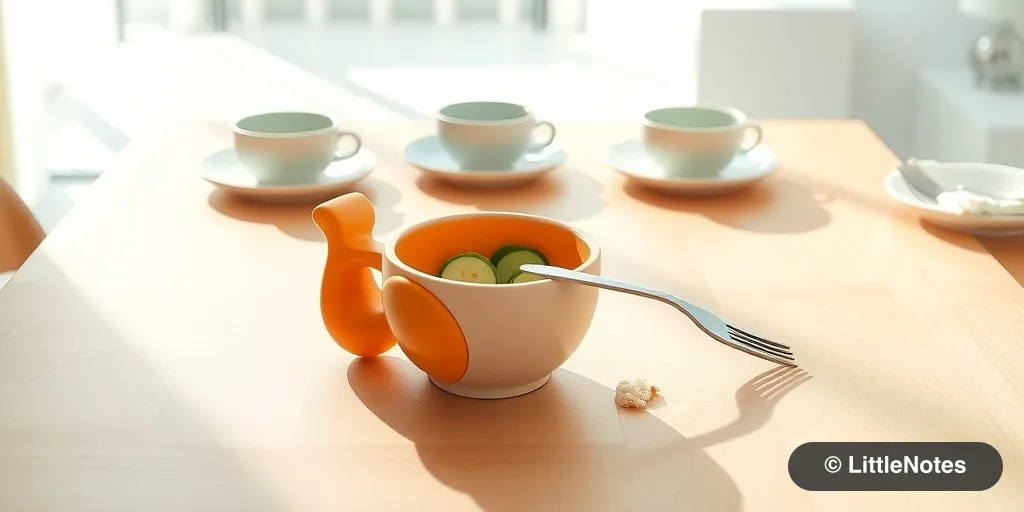
For transitioning to self-feeding at 2.5 years, eat all meals together as a family at a table. Children learn by observing others eat independently. Modify some foods to be more finger-food friendly, but do not allow eating while walking around.
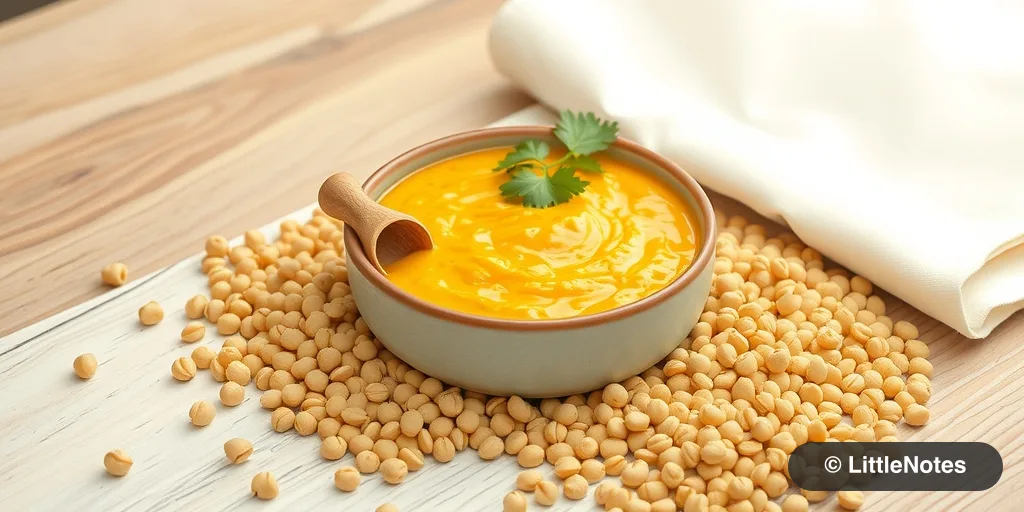
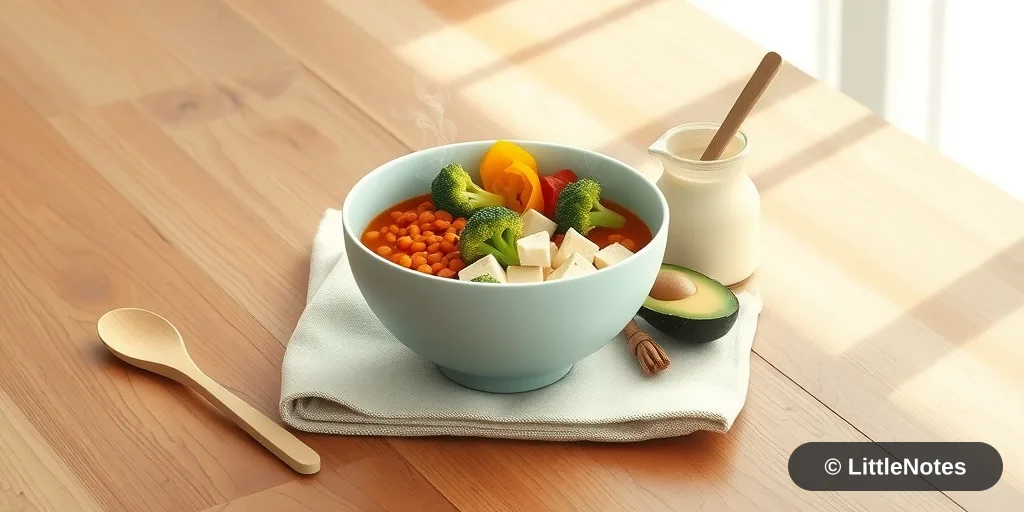
Managing protein and calcium requirements on a dairy-free vegetarian diet can be challenging but is entirely possible. Incorporate plant-bas…
Balancing a vegetarian diet with CMPA-related restrictions can feel like a logistical puzzle. When you cannot rely on dairy as a primary source of calcium and protein, it is natural to feel concerned about your child’s growth. The good news is that with a bit of mindful planning, you can ensure your little one gets the nutrition they need. Focusing on Altern…
Seeing blood streaks in a baby's stool is distressing and should always be discussed with your pediatrician to rule out infections. While in…
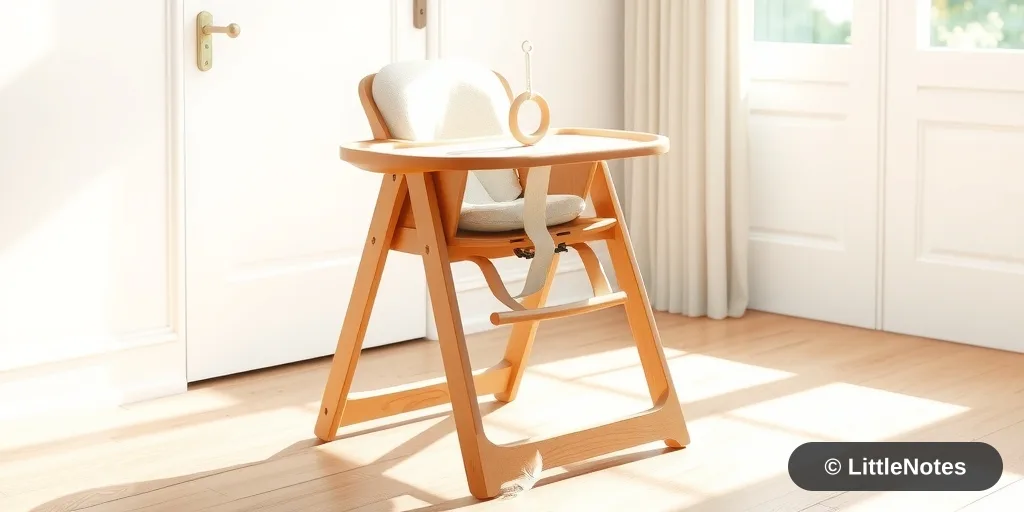
It is okay to introduce the high chair even if your baby is only doing supported sitting. You can start with short sessions of about 5 minut…
When starting a baby on a high chair, begin with short, 5-minute sessions twice a day to familiarize them with the posture and routine, gradually increasing the time as they build core strength and independent sitting skills.
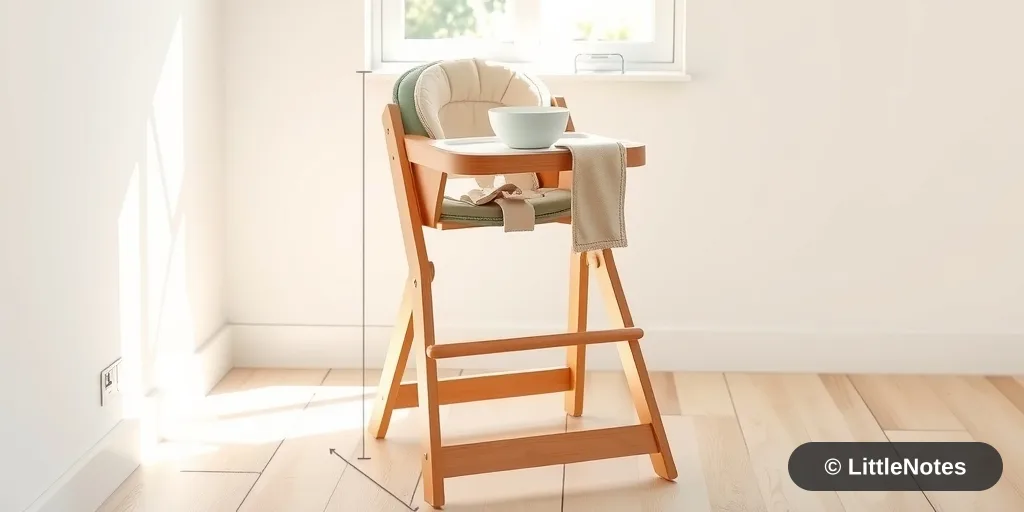
If your baby is struggling to sit in a high chair, ensure their hips are positioned all the way back, their head is supported, and they have a stable footrest. These adjustments promote better posture and make eating more comfortable.