Community-powered wisdom for first-time parents
Tips on feeding, sleep, milestones, and more — shared by parents who've been there.
Browse tips & articles by topic
Ask questions & share experiences
For minor diaper rashes in 3-month-olds, applying breast milk to the affected area and keeping the skin clean and dry is often very effective.
It is common for postpartum bleeding to be irregular. After your initial post-birth flow, it may reduce to a light spotting, then suddenly reappear, or transition from bright red to brown. If you find your bleeding has stopped and suddenly restarts with a heavy, bright red flow, it is always best to check in with your gynecologist to ensure your recovery is …
If your toddler begins sneaking food at night, set a firm rule that they must ask permission or wake you up before getting snacks. This keeps you informed about what they are eating and helps discourage unsupervised pantry raids.
It is completely normal to feel concerned when your baby seems to reach a milestone like rolling or crawling a bit later than their peers. Every baby develops at their own unique pace. If your little one is 5 to 7 months old and hasn't rolled independently yet, focus on creating a safe environment where they can build their strength. Tummy Time is Key: Regul…
Witnessing a febrile seizure can be incredibly frightening, but they are generally manageable when you are prepared. The primary strategy is…
It is completely normal for some babies to reach rolling and mobility milestones at different paces. To encourage movement, prioritize frequ…
To maintain your milk supply while focusing on postpartum health, continue taking calcium and iron supplements as recommended by your doctor throughout your breastfeeding journey. Include healthy fats like ghee in your daily meals to support brain health and recovery.
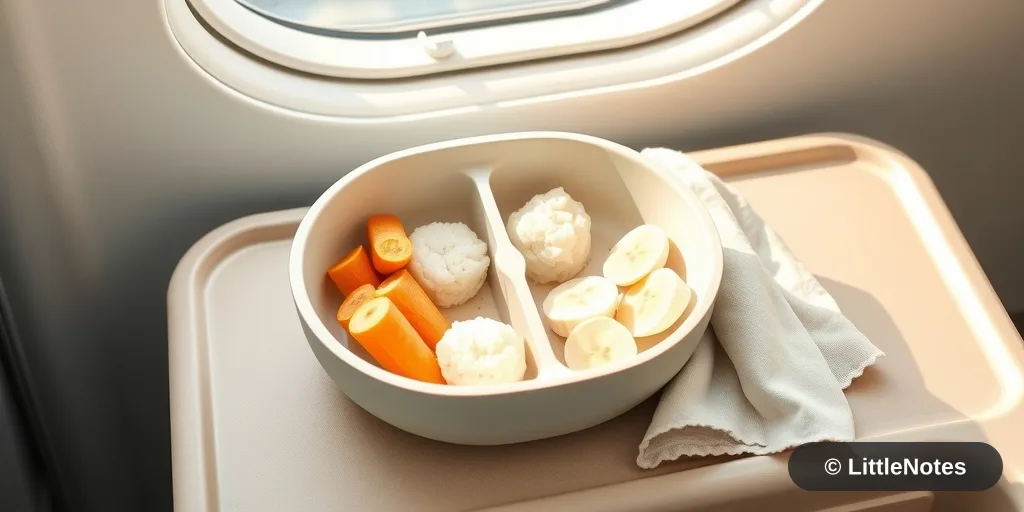
Traveling with a baby who has just started eating solids can feel daunting, but with a bit of preparation, it’s entirely manageable. Whether you are heading to a restaurant or planning an international trip, you don't need to haul a massive kitchen with you. On the Go: Quick Meals The "Boil and Mash" Approach: Many fruits like bananas and avocados are perfec…
It is common for infants and toddlers to go through temporary phases of food refusal due to teething, illness, or developmental leaps. The b…
For travel, it is best to pack portable, mess-free foods like soft steamed vegetable sticks, pre-made rice balls, or fruit slices (such as b…
For minor rashes around the chin caused by drool or food, avoid heavy creams. Calamine lotion is a gentle, pediatrician-approved option to help soothe the skin until it subsides.
Postpartum brain fog, forgetfulness, and mental exhaustion are incredibly common, especially during the early, sleep-deprived months. While…
If you are looking for an affordable way to access a variety of books for your infant or toddler, consider using local book rental libraries like Neown. This allows for a revolving library suited to your child's developmental stages.
Renting is a sustainable and cost-effective way to keep your child engaged with a rotating supply of toys and books. For books specifically,…
Create a Dreamland story for bedtime — tell your toddler that all babies are going to Dreamland for pool parties with pandas. When they resist sleep, remind them that the parent is going there too.
Yes, many newborns experience nighttime nasal congestion because their nasal passages are very narrow and their respiratory systems are stil…
Yes, you can introduce store-bought cheese, but it is important to check the ingredient labels carefully. Opt for options that are fully pas…
For a bedtime routine that works at 2.5 years: one parent does bedtime, dim lights, read a book twice, turn lights off, play soft music, and offer pats. Do not engage or answer questions after the story ends.
For breastfeeding in public without a cover, wear loose, layered tops or a long shrug worn with buttons in the back. This provides privacy and prevents the baby from pulling the fabric away.
A milk bleb can be painful, but many mothers find relief by applying a warm compress to the area immediately before a feed or pumping sessio…