Community-powered wisdom for first-time parents
Tips on feeding, sleep, milestones, and more — shared by parents who've been there.
Browse tips & articles by topic
Ask questions & share experiences
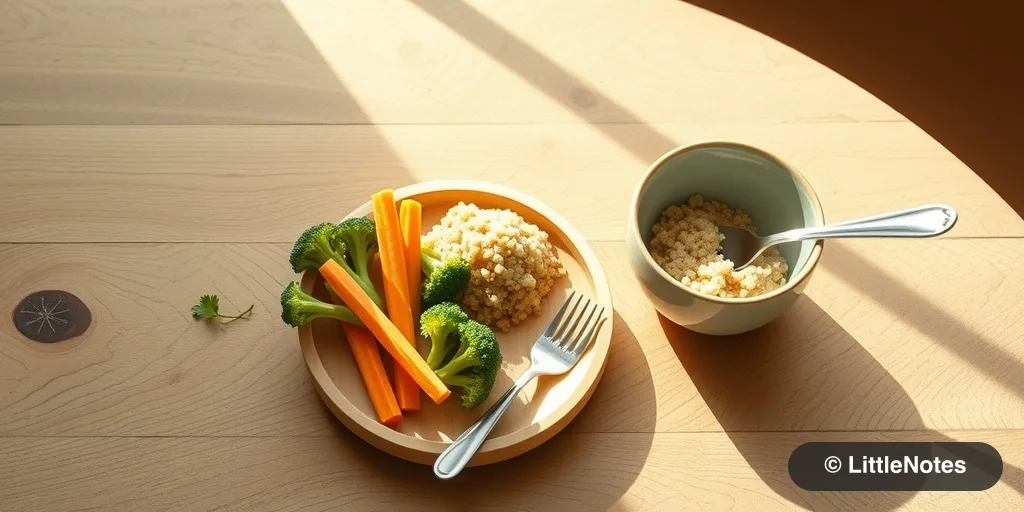
When introducing new foods to a picky toddler, do not ask if they want it. Place it on the table with other dishes and eat it yourself while narrating how it tastes. Pressure-free exposure over time works best.
Elefant Library is a well-reviewed toy rental service in Bangalore for the 1-2 year age group. Renting big toys like battery-operated cars lets you test interest before committing to a purchase.
To handle spice sensitivity in toddlers, gradually introduce mild flavors like pepper before chili. You can also dilute spicy dishes with white rice and ghee, or add a squeeze of lemon to meat dishes to mellow the heat.
Transitioning to spicy family meals can be done slowly. You can start by setting aside a small portion for your toddler with minimal or no s…
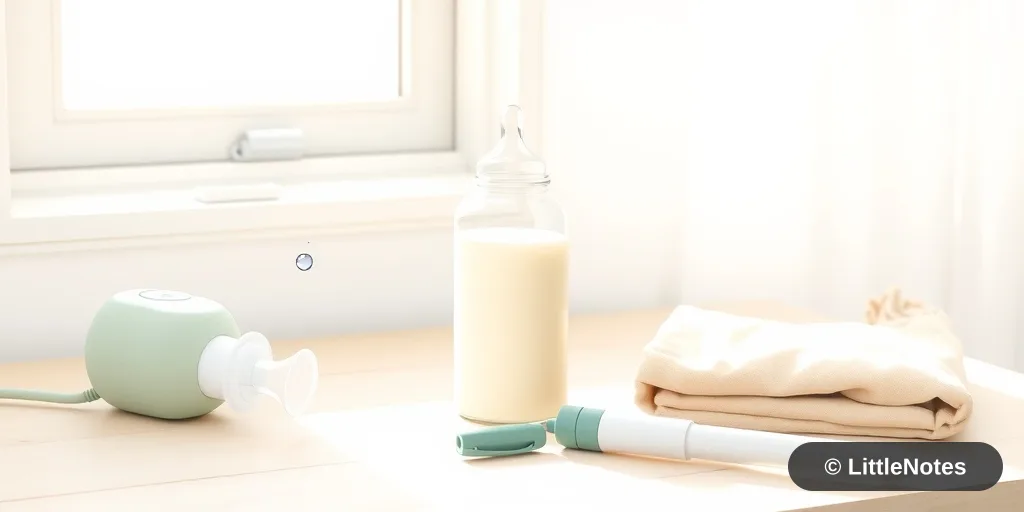
High lipase in breast milk can cause a metallic smell, which may lead some babies to reject stored milk. Freezing your milk immediately after pumping can help minimize the development of this taste over time.
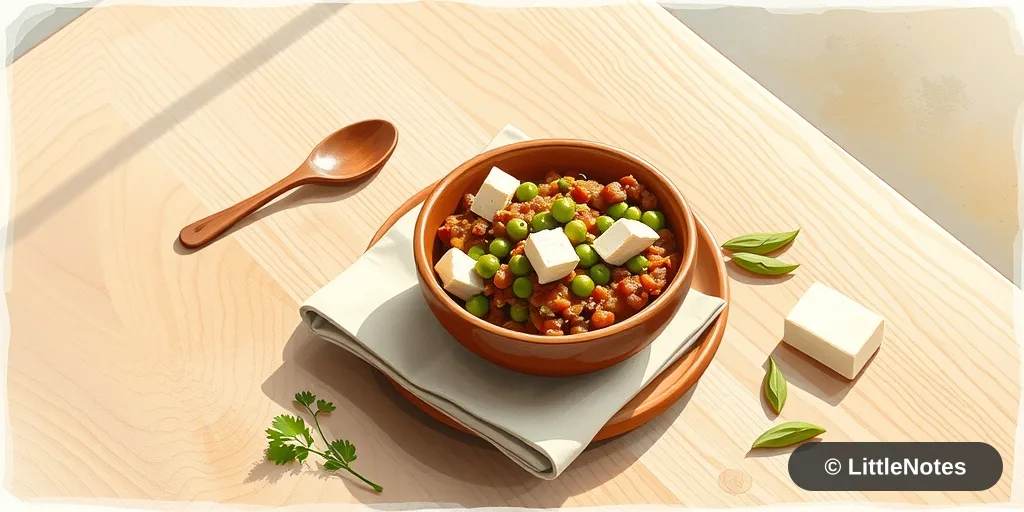
Air-fry or pan-fry tofu coated in garlic powder, jeera powder, and a little salt in ghee. Health on Plants is a good non-GMO brand easily av…
For tofu, air-fry or pan-fry in ghee with garlic powder, jeera powder, and a pinch of salt. Health on Plants is a good non-GMO brand available on Swiggy and Firstclub.
Pancakes made with millet flours like ragi or oats can often become sticky. To improve the texture, try replacing water in the batter with a…
Managing a freezer stash or prepping for time away from your baby requires clear storage guidelines to ensure milk safety and nutrient quality. Storage Basics: Breast milk can typically stay at room temperature for up to 4 hours. In the refrigerator, it can last for up to 4 days, and in the freezer, it is best used within a few months. Always label your bags…
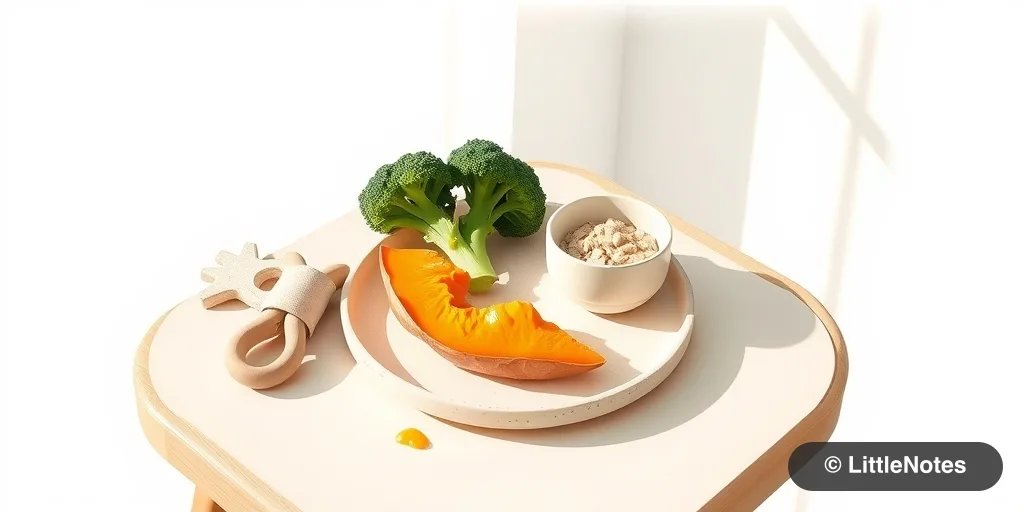
Yes, gagging is a completely normal part of the learning process for babies starting solids. It can be disconcerting to watch, but it helps…
Nasoclear is just a saline solution with no medication — you can safely use it multiple times a day to clear a congested nose without worrying about dosage limits.
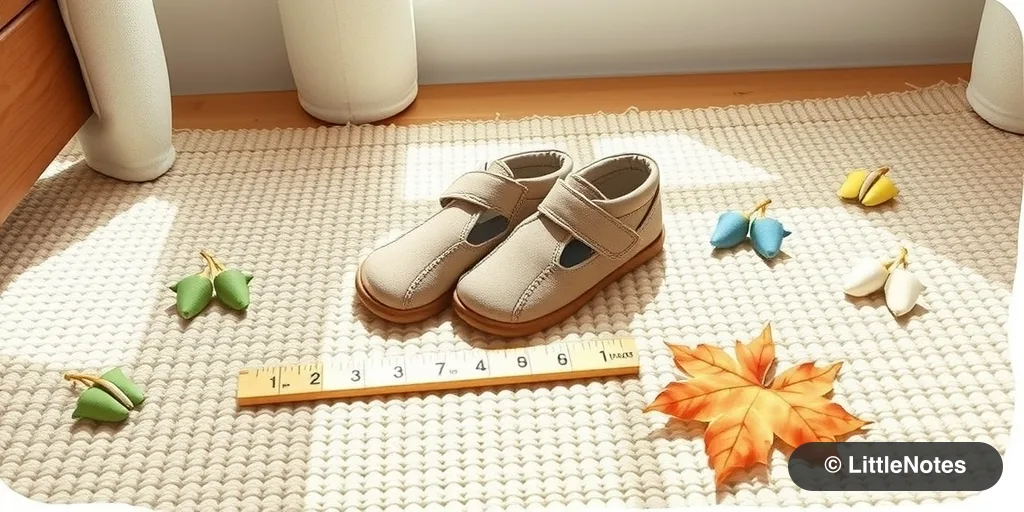
Finding comfortable shoes for your toddler can feel like a minefield — especially if your little one has wide feet. Here is what experienced parents have learned through trial, error, and many returns. The Wide Feet Challenge Standard toddler shoes often run narrow, leaving parents of wide-footed children frustrated. Two brands consistently get recommended: …
The thought of vacationing with two small children — especially when one is still an infant — is enough to make most parents break out in a cold sweat. But parents who have done it say the same thing: it is never relaxing, but it is always worth it. Start Small Do not plan an international trip as your first outing with two under three. Start with a nearby r…
When vacationing with 2 under 3, start with a nearby resort with a kids club rather than an international trip. Keep the baby on a large towel on the beach — at 4 months they cannot crawl away and eat sand yet.
To keep mosquitoes away safely, try using a combination of plant-based patches, roll-ons, and fabric-safe sprays on clothing rather than applying chemicals directly to your baby's skin.
For 9-month-olds, you can introduce cooked and mashed legumes like chole (chickpeas), rajma (kidney beans), and whole lentils, often enhance…
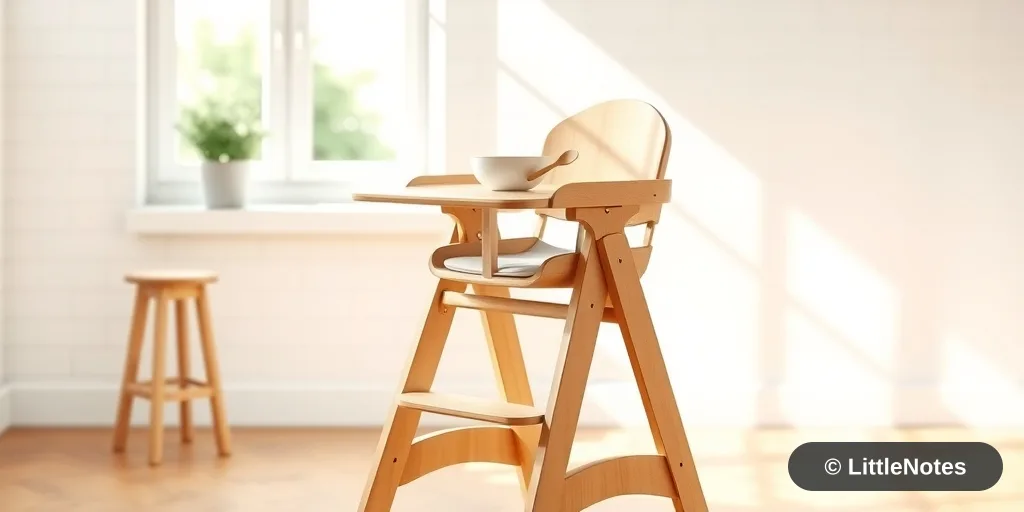
When choosing a high chair, prioritize safety, ease of cleaning, and posture. Chairs like the IKEA Antilop are highly recommended for their…
Finding the perfect high chair can feel like a daunting task, but the focus should always be on safety, support, and ease of cleaning. As your baby begins their solids journey, their posture in the chair plays a vital role in their comfort and ability to swallow safely. Key Features to Look For When evaluating high chairs, prioritize these three elements: 1.…
Postpartum stiffness, especially in the neck and shoulders, is often caused by repetitive postures during feeding and carrying. Gentle relie…
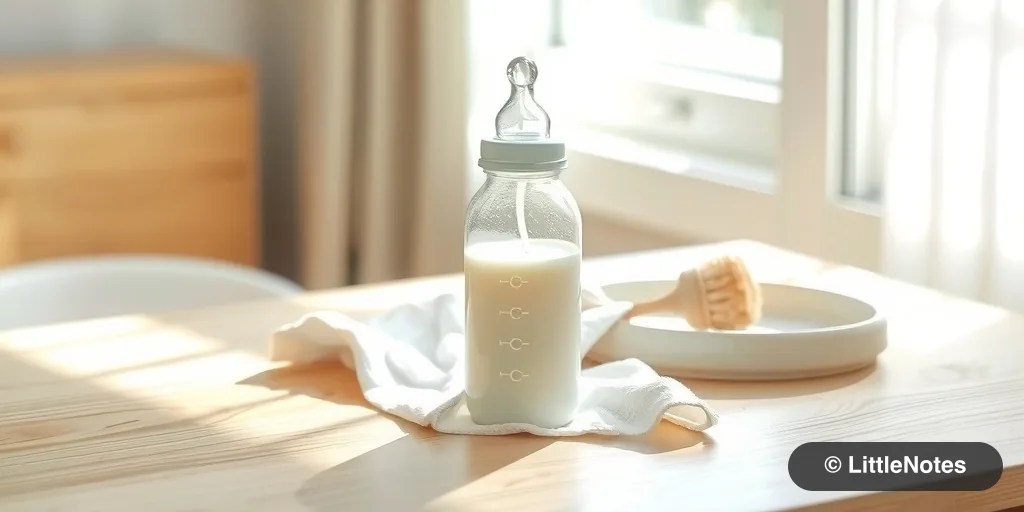
Whether you are supplementing for weight gain or transitioning as you return to work, introducing formula is a big milestone. Many parents find success by starting small. If your baby is used to breast milk, they may need time to adjust to the taste and texture of formula. Mixing Safely: Always follow the specific instructions on your formula tin for the wat…