Community-powered wisdom for first-time parents
Tips on feeding, sleep, milestones, and more — shared by parents who've been there.
Browse tips & articles by topic
Ask questions & share experiences
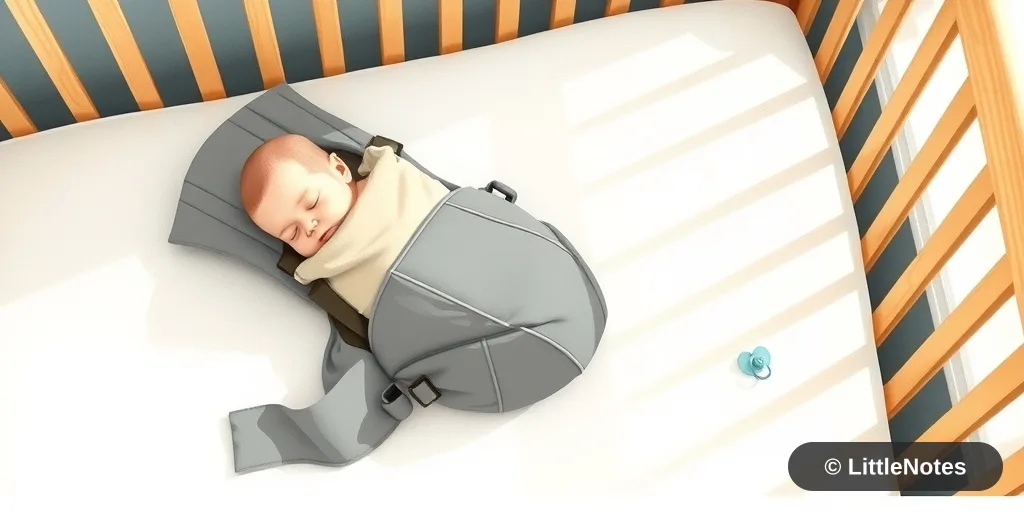
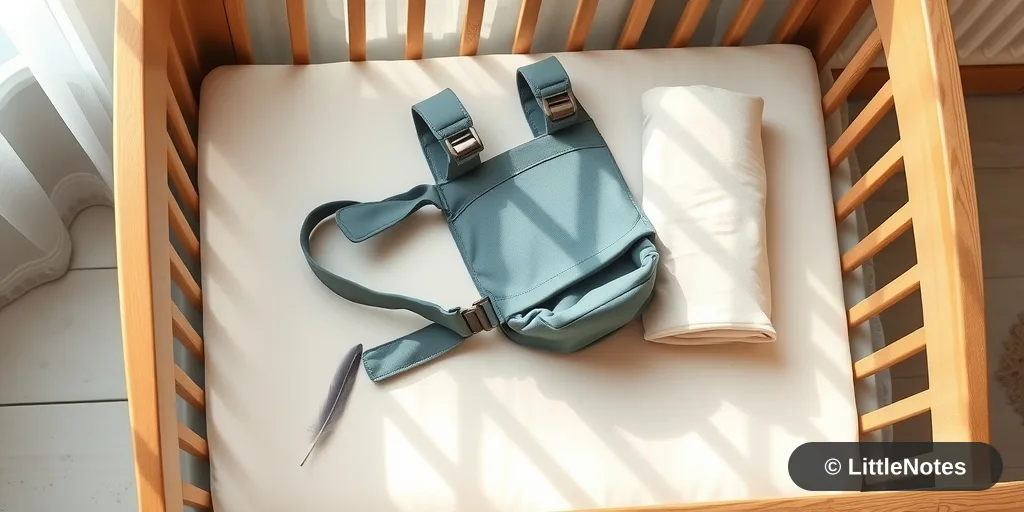
To transfer a sleeping baby from a carrier to a crib without waking them, try babywearing for your walks/naps and then use a carrier that allows you to unclip the back and remove the entire structure while the baby remains on your chest. Let them lay on you for a few minutes before slowly and gently transitioning them to the mattress.
The Meningococcal (MCV) vaccine is generally considered an optional vaccination in India, but it provides protection against a rare and pote…
Transferring a baby from a carrier to a crib is a skill that many parents master through practice and routine. Try using a baby carrier that…
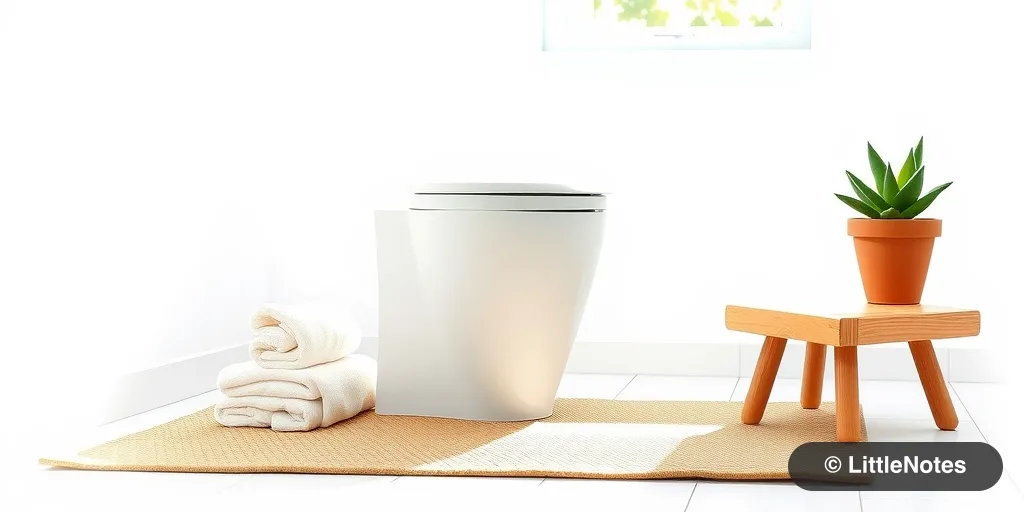
For potty training at home, consider IKEA floor potties. They are often better suited for leaner children, preventing the need for the immediate transition to a full-sized toilet seat.
To build independence in self-feeding, eat all meals together at the table as a family. Toddlers learn best by observing adults, and you can modify meals to be finger-food friendly while enforcing a rule against eating while walking around.
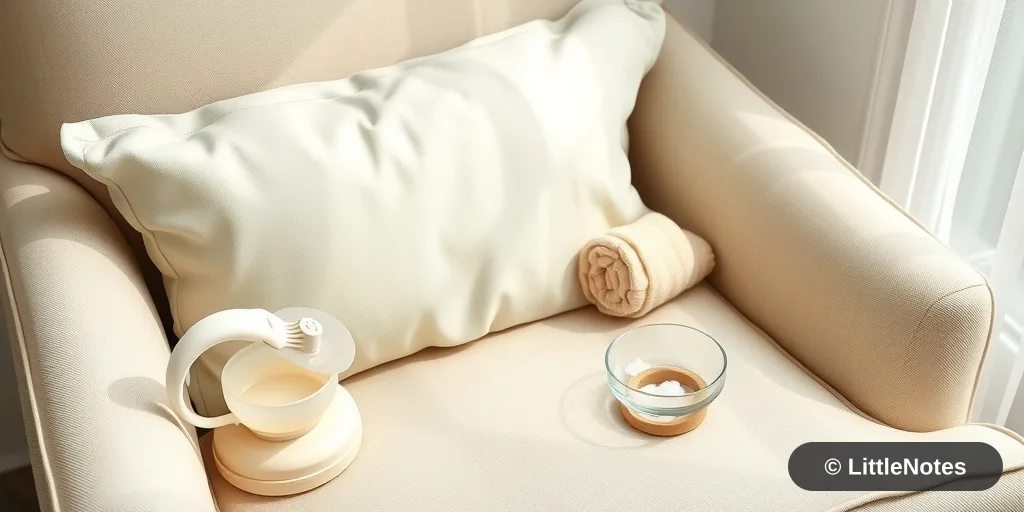
To soothe sore breasts caused by a milk bleb or biting, try soaking the area in a warm Epsom salt solution. This can help soften the blockage and reduce inflammation.
Biting is a challenging but common phase, often linked to teething or exploration. If you develop a painful milk bleb due to biting, an Epso…
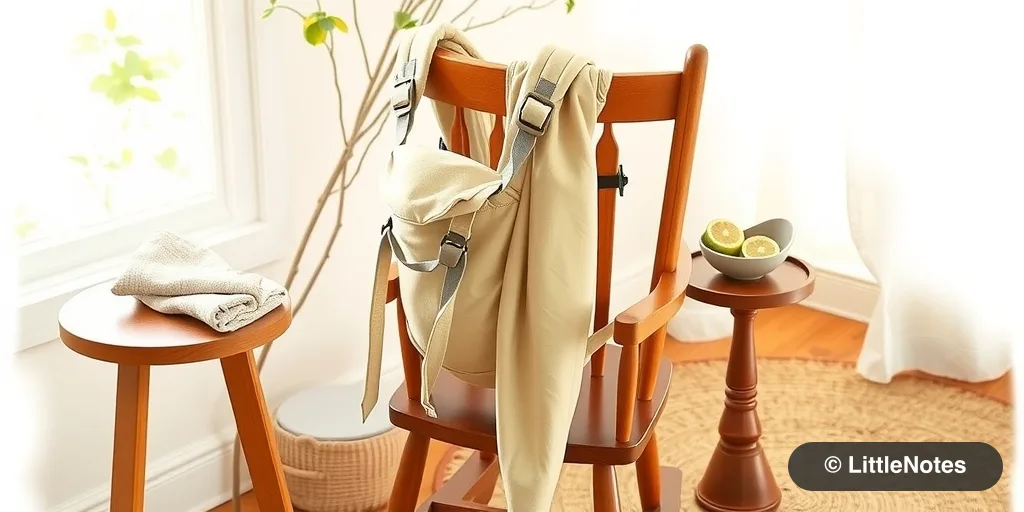
An ergonomic carrier made of breathable cotton is ideal for Indian weather. Babywearing can be a lifesaver for contact napping and allows you to go about your day while keeping your baby close and soothed.
For many new parents, the search for a way to get things done while keeping a newborn close can feel endless. If you’ve heard about babywearing and wondered if it’s truly safe or practical, you aren’t alone. The collective experience of seasoned parents suggests that babywearing is more than just a tool for travel—it’s often a primary strategy for managing c…
Yes, babywearing is safe and can be a wonderful tool for bonding and managing contact naps starting from as early as 7–8 weeks. Choose an er…
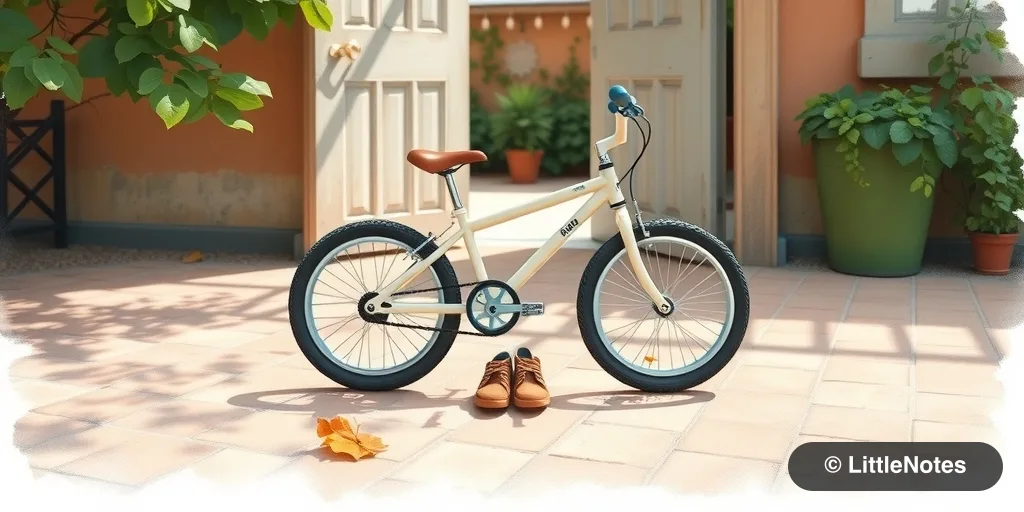
Brilrider balance bikes are a great investment from age 1. The key is putting them on it daily, even for just a minute. Within 6 months most toddlers ride with legs up, and you can skip training wheels entirely when transitioning to a cycle.
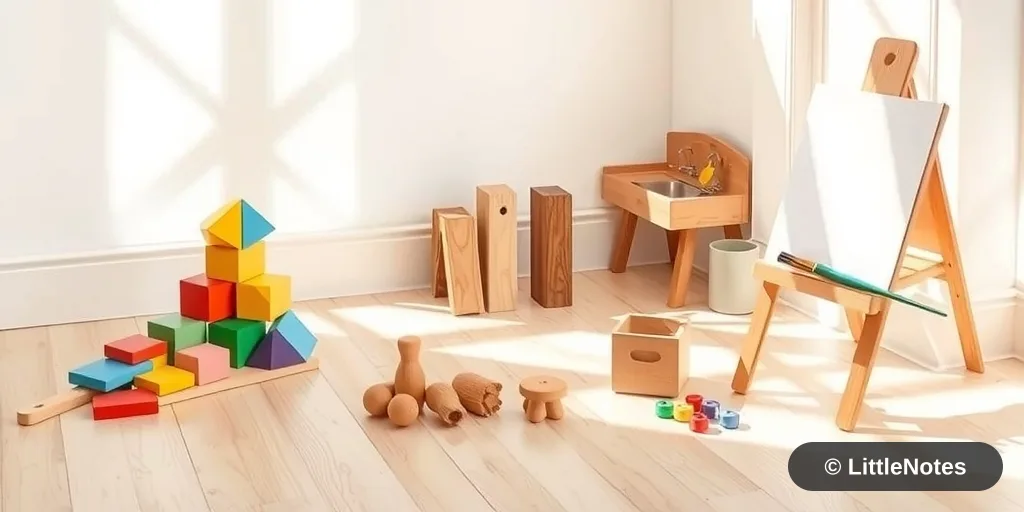
For a 2-year-old, gifts that encourage open-ended play and fine motor development are highly recommended. Popular choices include Magna-Tile…
When it comes to choosing gifts for a two-year-old, the best options are those that invite open-ended play and help sharpen their burgeoning physical and cognitive skills. Instead of gadgets that do the work for them, look for items that encourage your little one to be the active participant. Open-Ended Building and Imagination At this age, children are deve…
When teaching a toddler to keep their space tidy, make it a game by asking them to make the toys 'jump' back into their boxes for the night. This gamification is often more effective than direct instructions.
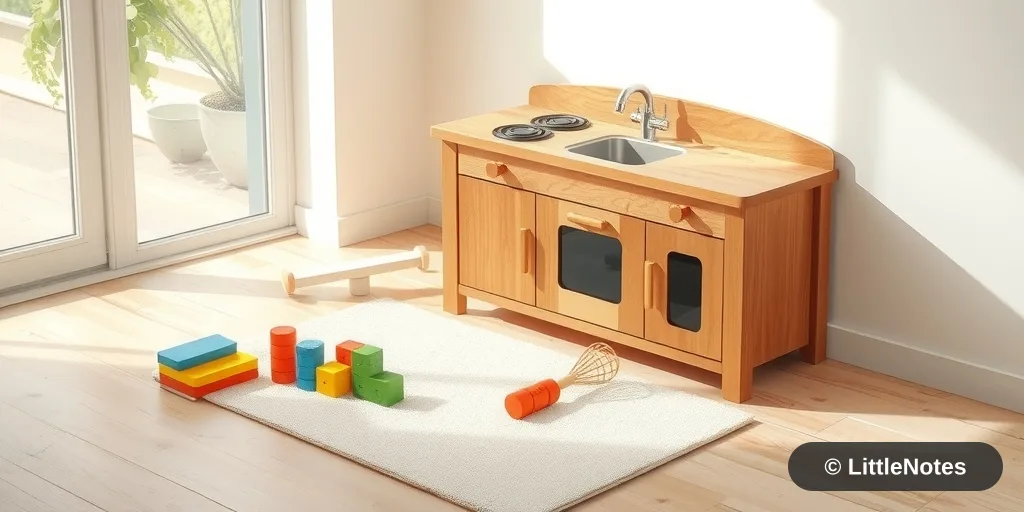
For developmental gifts for a 2-year-old, look for open-ended items like Magna-Tiles, balancing planks, or art supplies like child-safe paints. Pretend play items such as kitchen sets, especially those with working sinks, are highly engaging for toddlers of all genders.
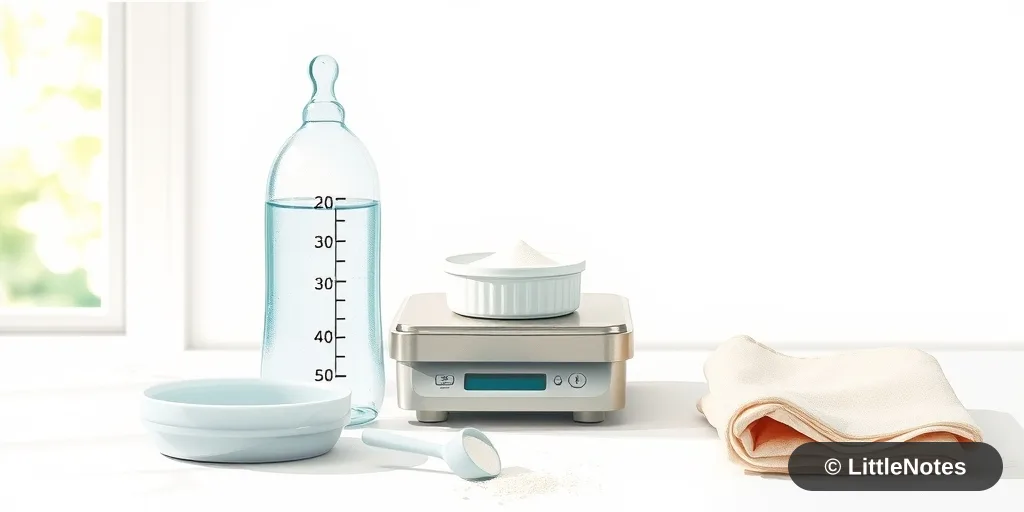
When starting a new formula, always introduce it in small amounts to allow the baby’s digestive system to adjust to the increased heaviness. Stick to the standard ratio of one scoop of formula to 30ml of water for accuracy.
For many breastfeeding parents, concerns about milk supply are common, especially in the early months or when returning to work. Understanding that supply is often supply-and-demand based is key. Frequent, on-demand nursing is the most effective way to signal to your body to produce more milk. Ensure your baby has a deep, comfortable latch to effectively dra…
To boost supply, prioritize frequent nursing on demand and ensure a proper, comfortable latch. Stay well-hydrated, aim for a balanced, prote…
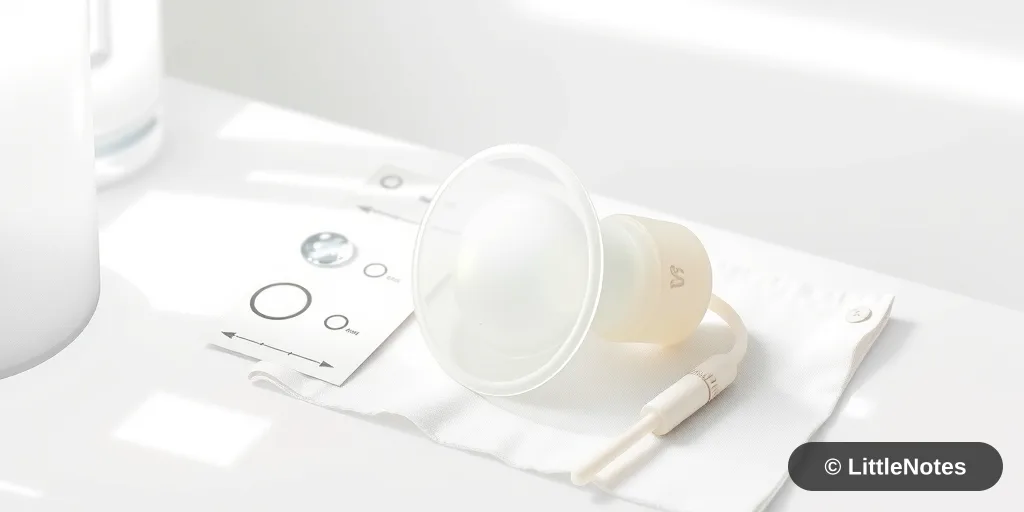
If you experience nipple soreness or peeling while pumping, check if your flange size is correct using a printable nipple ruler. Also, ensure your suction level is set no higher than what is comfortable, as excessive suction does not increase milk yield.
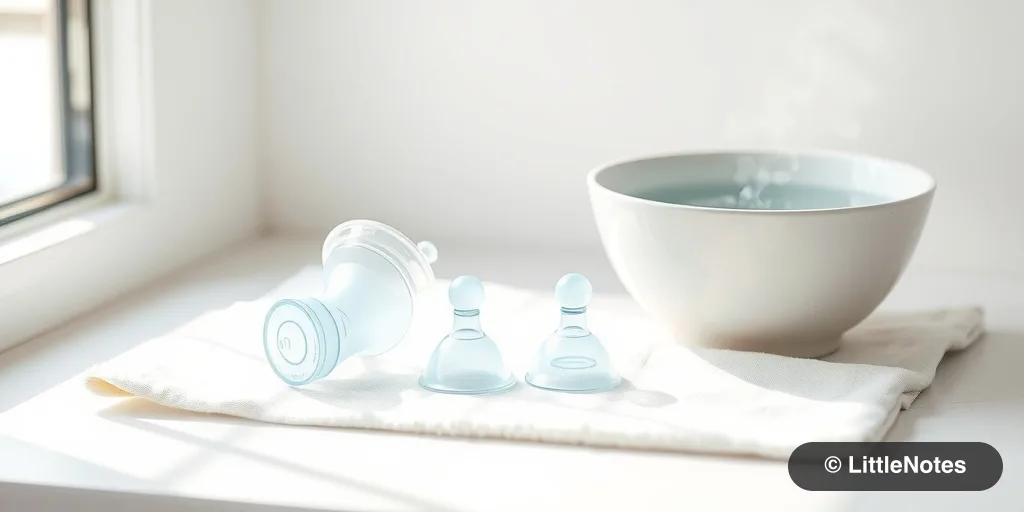
Replace pump parts like duckbill valves and backflow protectors regularly—usually once a month for frequent pumpers. Avoid scrubbing these sensitive parts with harsh brushes; instead, clean them gently and dip in hot water to sterilize.