Community-powered wisdom for first-time parents
Tips on feeding, sleep, milestones, and more — shared by parents who've been there.
Browse tips & articles by topic
Ask questions & share experiences
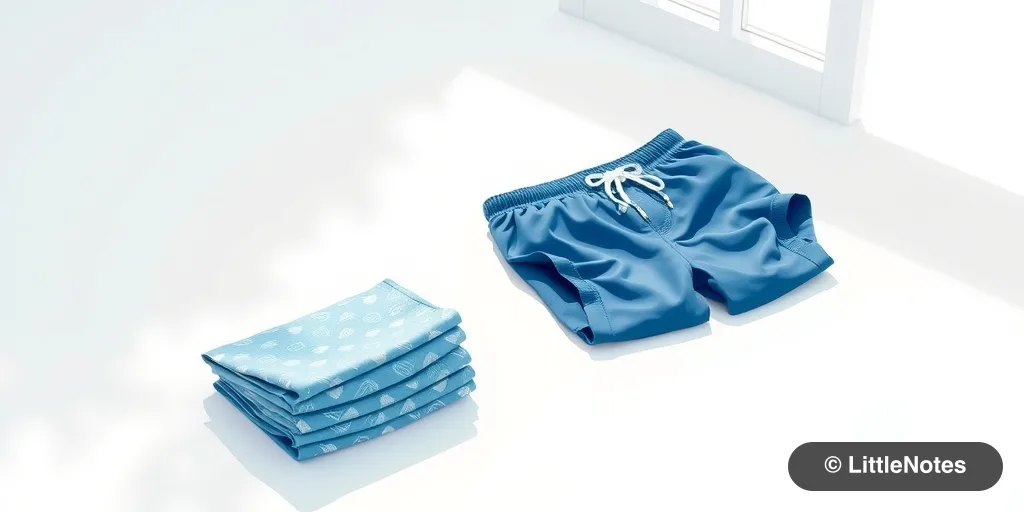
You have two main choices: disposable swim diapers or reusable swim diapers. Disposables (like Pampers Splashers or Bambo) are convenient fo…
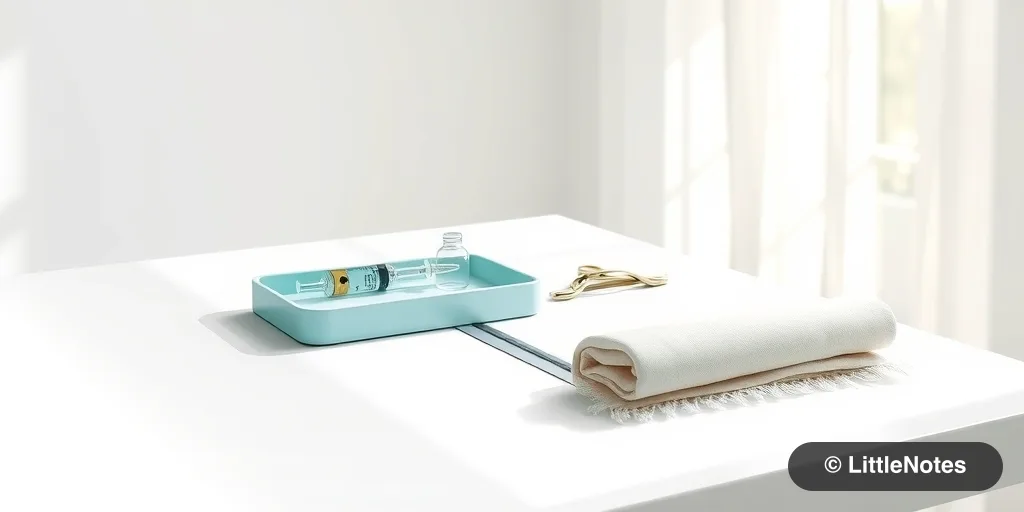
Some doctors suggest an alternating schedule where the first dose is a 'painful' whole-cell vaccine for stronger initial immunity, followed by 'painless' acellular boosters to minimize side effects in later doses.
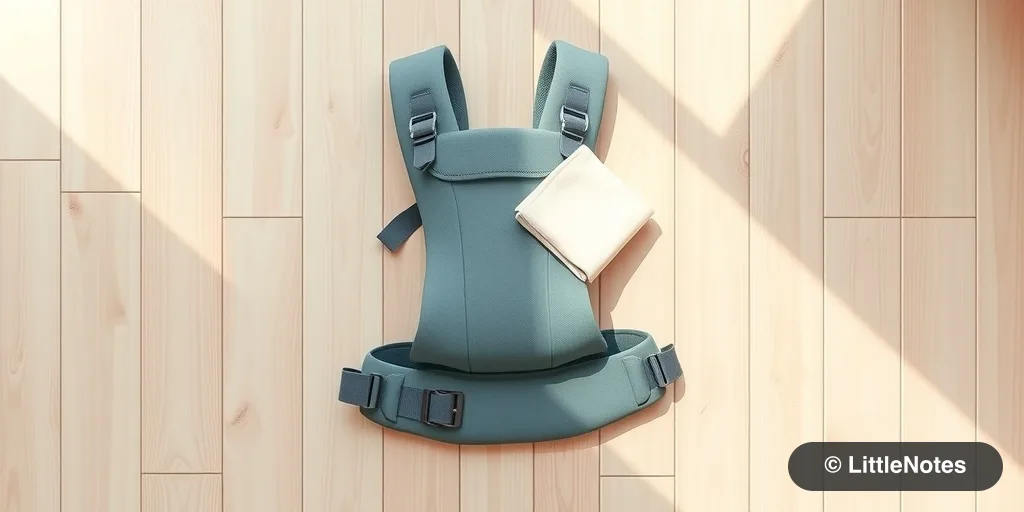
Choosing a carrier is highly personal, but look for options that provide ergonomic support for both the baby's hips and your back. Structure…
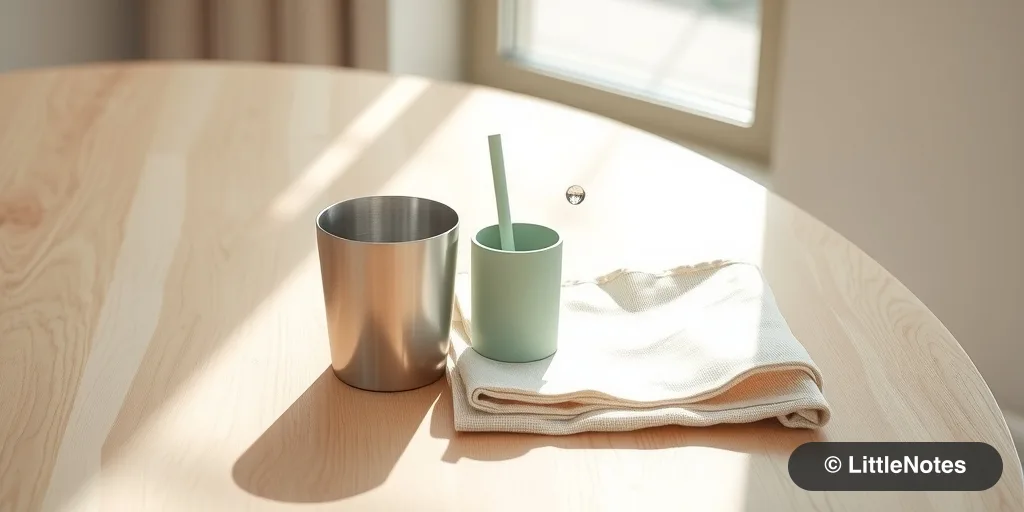
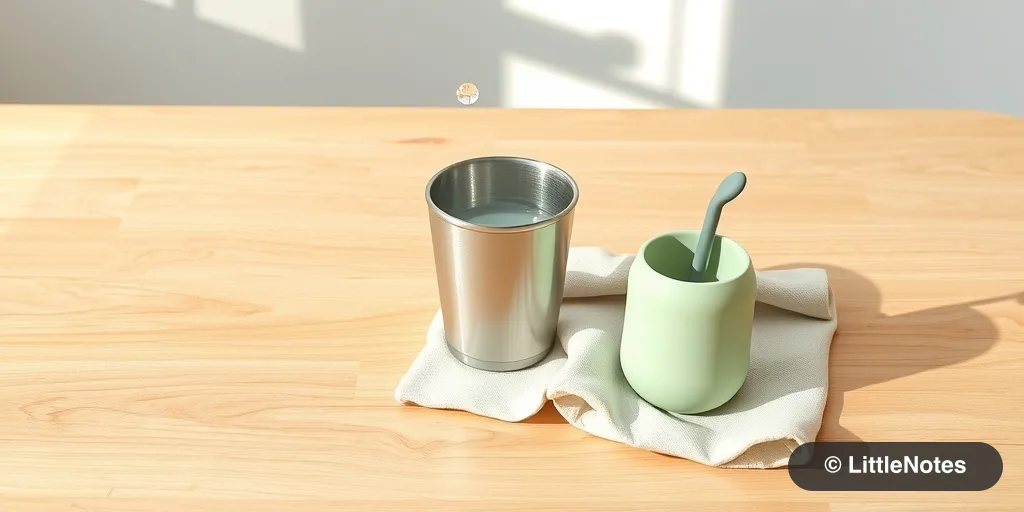
Transitioning from a milk bottle to a cup is a major developmental milestone. It supports oral motor development and helps your toddler gain independence. If you’re looking to make the switch, here is a practical approach to help your little one adjust. Why Move Away from the Bottle? Pediatric experts often recommend moving away from the bottle by age one to…
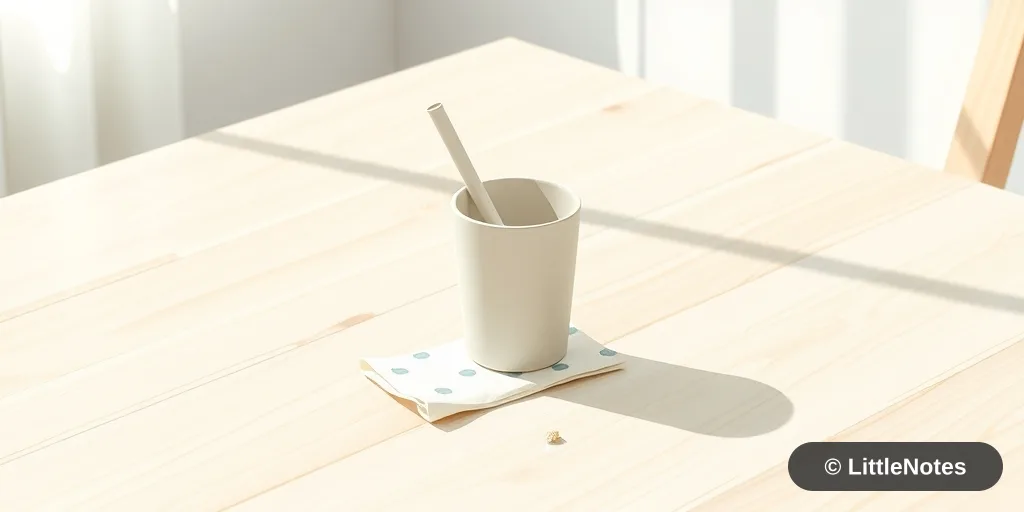
Transitioning off a bottle is a gradual process that works best with consistency. For 1-year-olds, you can start by modeling drinking from a…
To transition your toddler from a bottle, model drinking from an open cup yourself while offering them water in a small, soft-lipped steel cup. Be patient, as this is a new motor skill that takes time to master.
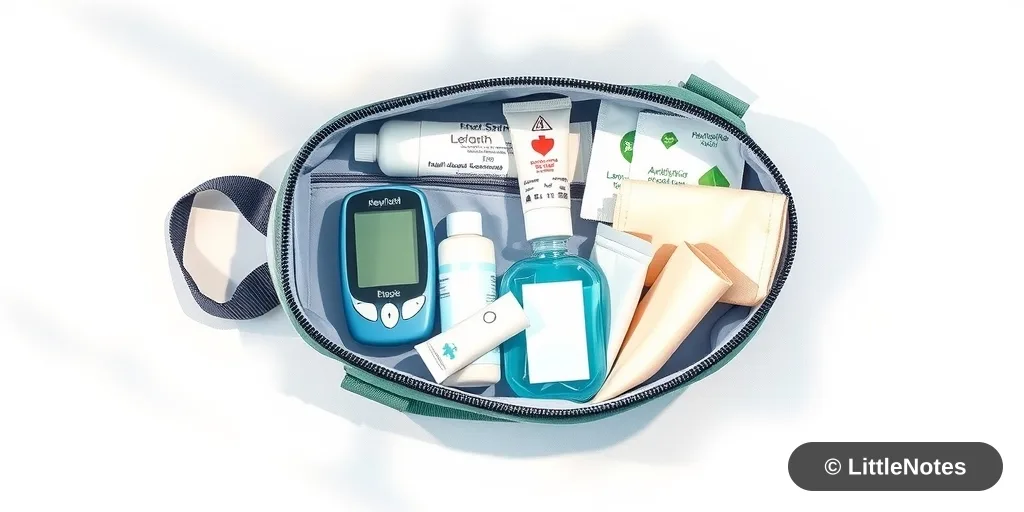
For an overseas trip, consult your pediatrician to compile a list tailored to your baby's specific needs, but common essentials include a di…
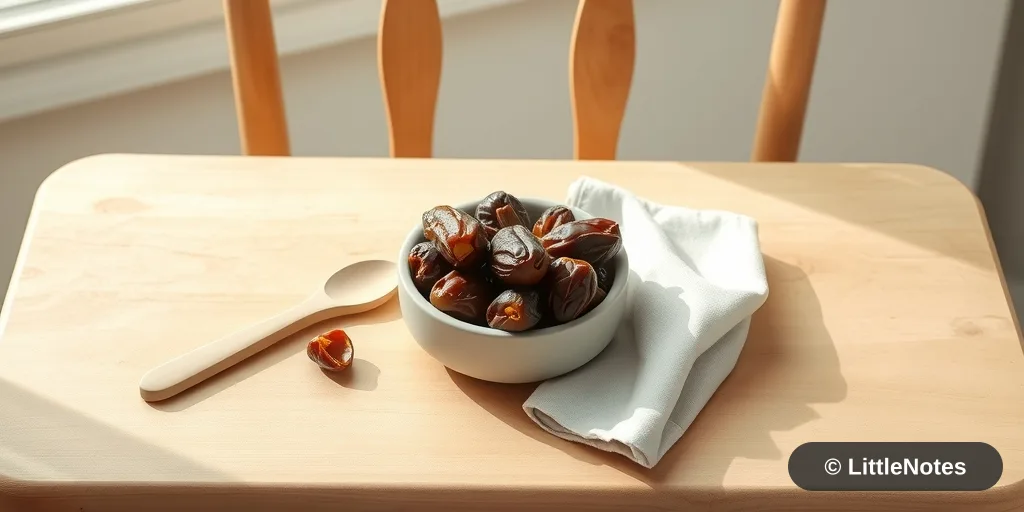
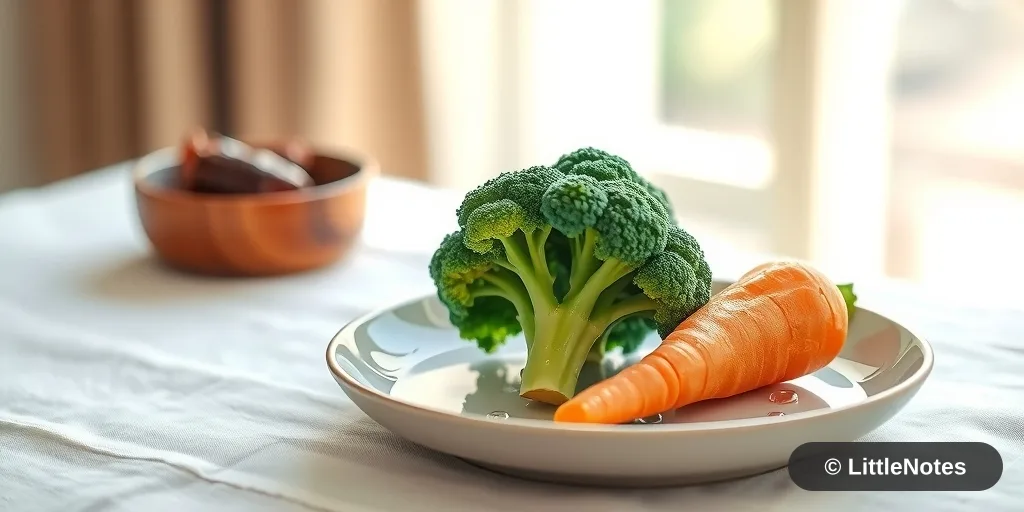
It is generally recommended to hold off on adding dates to a baby's diet until after their first birthday. Introducing very sweet foods earl…
Avoid introducing added sweeteners, including dates, until your child is at least 12 months old. Early exposure to very sweet foods can discourage them from accepting the more neutral flavors of vegetables.
For safe travel in cold climates, prioritize layering: use a moisture-wicking thermal base layer, followed by a light T-shirt, and a fleece-lined puffer jacket. This provides flexibility as temperatures change throughout the day.
Avoid getting tattoos while breastfeeding due to the risks of infection and potential allergic reactions to inks, which may require medications that are not safe for your nursing baby. It is best to wait until you have finished breastfeeding.
It is generally advised to wait until you have finished breastfeeding before getting a tattoo. There are potential risks regarding the safet…
To build empathy and a love for animals during a toddler's birthday, consider hosting at an educational pet-interaction venue. Having animals present teaches children to care for and understand creatures in a hands-on, supervised environment.
Transitioning to a straw sipper is a learned skill that many babies master with practice. Stop offering the spout sipper entirely to encoura…
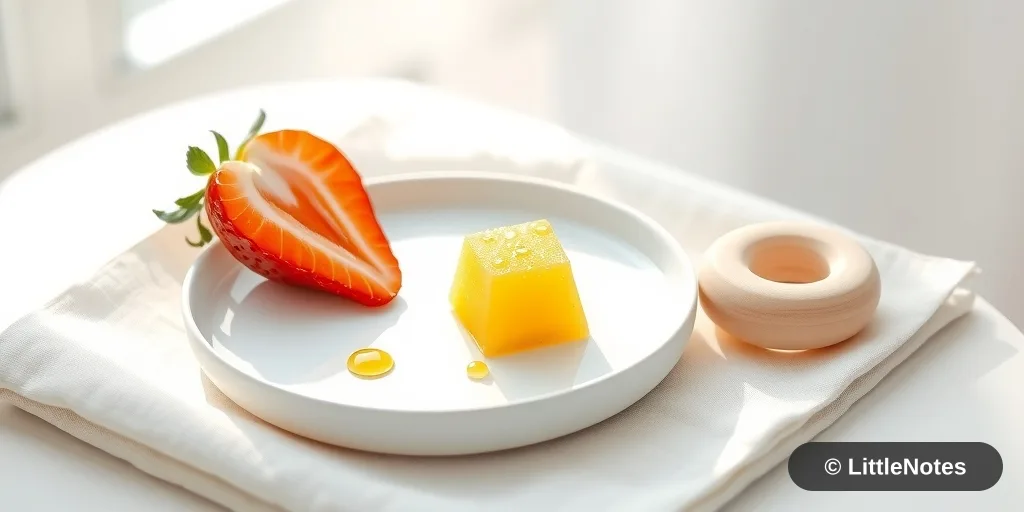
To ease teething-related mealtime irritation, offer your baby a thin, cold piece of fruit or a 'fruit ice chip' before their meal. The cold provides soothing relief for inflamed gums.
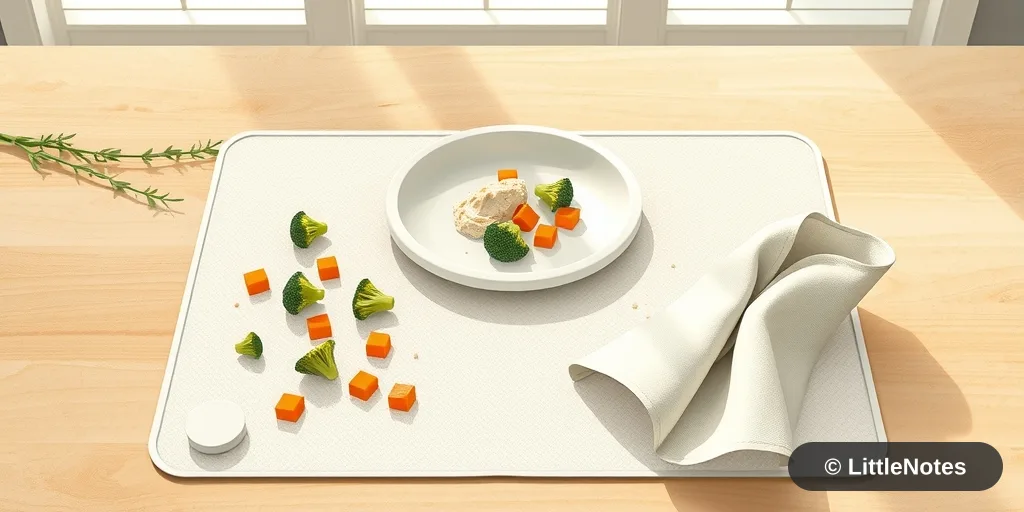
Mess is an inevitable part of learning to eat, but you can manage it by using practical tools. Placing newspaper or a washable mess mat unde…
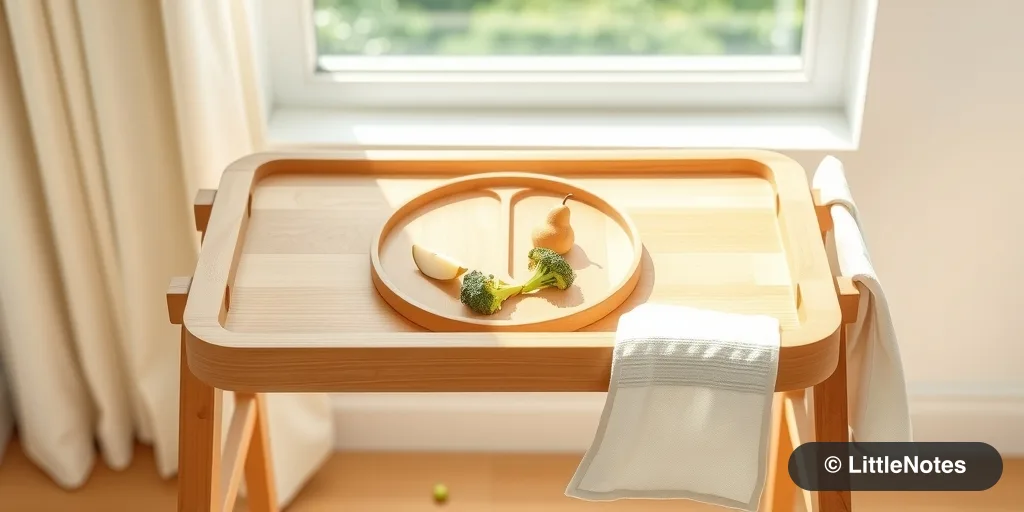
When self-feeding results in throwing food, take the plate away immediately when the behavior starts. This helps the child understand that throwing food ends the meal, and they will naturally communicate if they are still hungry.
Yes, this is a long-standing myth. Having wet hair after a shower does not affect your breast milk or your ability to safely breastfeed your…
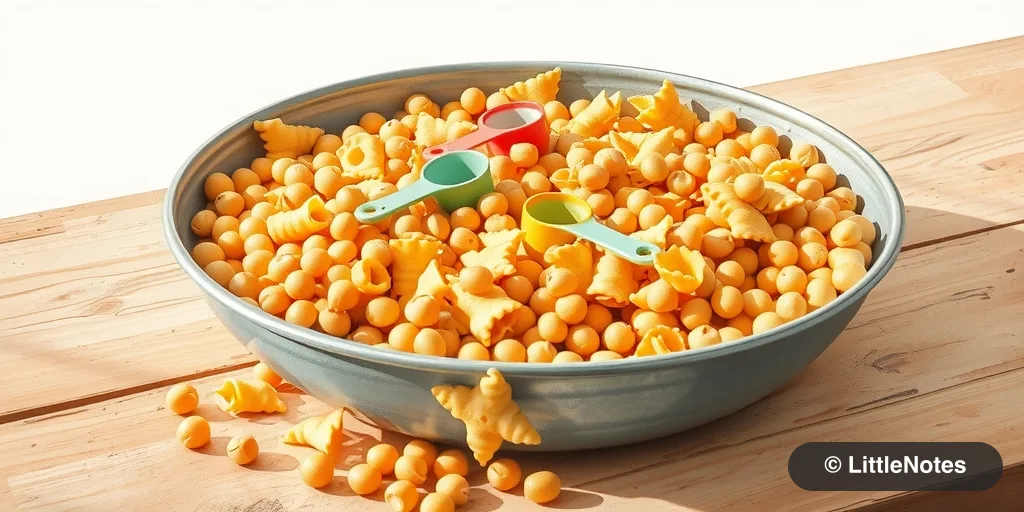
For sensory development, fill a bucket or basin with food-grade materials like pasta or dried beans. Encourage the child to use both hands to dig and find hidden objects, which builds vocabulary and fine motor skills.
When a toddler is having a tantrum, use the 'H.A.L.T.' acronym to check if they are Hungry, Angry, Lonely, or Tired. If they are in the middle of a meltdown, hold and rock them calmly without offering advice until they are settled.