Community-powered wisdom for first-time parents
Tips on feeding, sleep, milestones, and more — shared by parents who've been there.
Browse tips & articles by topic
Ask questions & share experiences
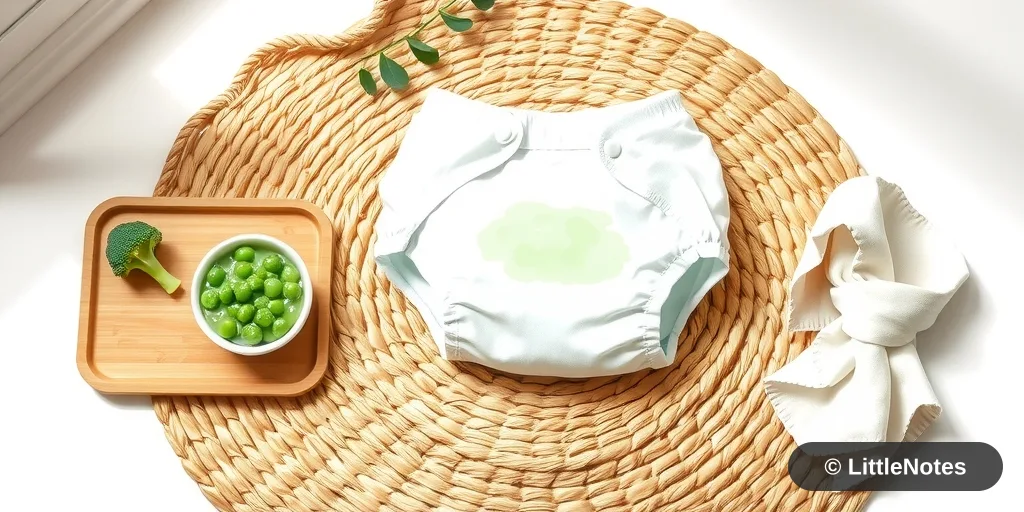
Green-colored stool is very common in infants and is usually not a cause for concern, provided the baby is otherwise acting normally and not…
Travel strollers are excellent for families on the move, providing a compact and lightweight solution for city walking and travel. High-end…
If your baby vomits immediately after receiving medication like Calpol, wait for a period before re-administering to avoid double-dosing. Consult your pediatrician to determine if a full or partial replacement dose is needed based on the time elapsed.
If your baby vomits immediately (within a few minutes) after taking a medication like Calpol, it is possible they have expelled the dose. Ho…
If your baby bites while breastfeeding, immediately stop the feed and say 'No biting' in a calm, firm voice. If they bite a second time, end the session completely to help them learn the consequence of the action.
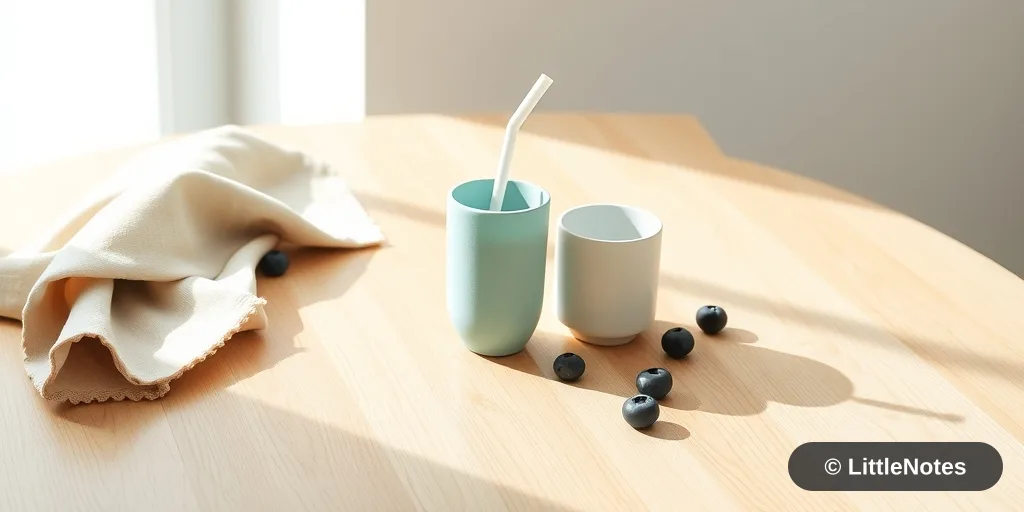
Avoid using sippy cups for long-term use as they can negatively impact oral development. Transition from open cups to straw cups to help your child develop the necessary sucking motion.
To manage overnight bottle cleaning, batch-wash bottles and pump parts in a designated bowl of soapy water. You can sterilize them collectively in the morning rather than cleaning after every single feed to ensure you get more rest.
It is a common discovery for nursing parents: one breast seems to produce significantly more milk than the other, leading to one side becoming engorged and painful while the other stays relatively soft. If you find yourself in this situation, know that you aren’t doing anything wrong—it is a completely normal physiological variation. Why does this happen? Of…
As your little one moves from the stationary newborn phase to the high-energy rolling, crawling, and cruising stages, diaper changes can start to feel like a wrestling match. If you find yourself chasing a wiggling baby across the changing table, it might be time to switch to pant-style diapers. Why Make the Switch? Pant-style diapers are designed for conven…
Pant-style diapers are generally much easier to put on active, crawling, or walking toddlers who won't stay still for a traditional tape-sty…
Yes, beeswax is generally safe for babies with Cow Milk Protein Allergy (CMPA). Beeswax is derived from bees, not from milk, so it does not…
The first few weeks of life are a whirlwind of adjustments for both parent and baby. If you feel like your newborn is constantly hungry or that your feeding rhythm is inconsistent, you are certainly not alone. Is My Baby Eating Enough? It is common for newborns to have varying hunger levels. Rather than focusing on rigid charts or exact milliliter counts, lo…
While hair loss is a common postpartum symptom due to shifting hormones, some parents report increased shedding after switching to a strict…
Finding a child-friendly environment for a haircut can make the process much easier. Some salons, such as Vurve, are noted for providing hai…
Yes, tender coconut water is generally considered safe for babies around 9 months old and can be a wonderful, hydrating option. It is natura…
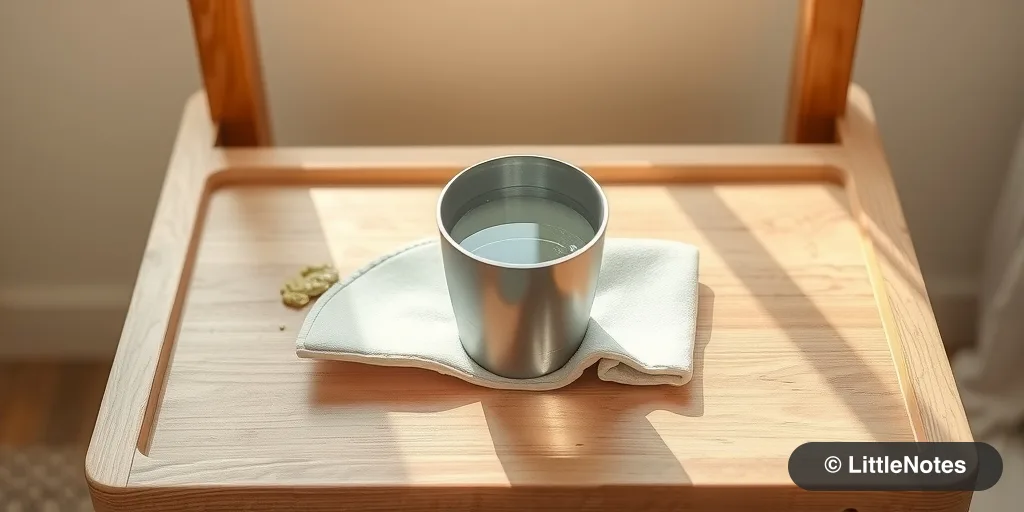
Offer 30ml of water after every solid meal once you begin daily food introductions. A small, stainless steel cup (similar to the size used for filter coffee) is an excellent, durable tool for teaching open-cup drinking.
To manage infant constipation, avoid apples due to their pectin content and hold off on bananas initially. Instead, offer pureed pear or water soaked from prunes or black raisins in the morning.
It is common for a baby's digestion to adjust during the first few weeks of solids. To help, ensure they are getting adequate water intake t…
For CMPA babies, start with simple, non-allergenic whole foods like vegetables, fruits, and single-grain porridges. When introducing potenti…
For newborns with colic, practice bicycle kicks and gentle tummy massages at every diaper change rather than just once a day. Always hold the baby upright for 15–20 minutes after a feed to help with digestion.