Community-powered wisdom for first-time parents
Tips on feeding, sleep, milestones, and more — shared by parents who've been there.
Browse tips & articles by topic
Ask questions & share experiences
When introducing cow's milk to a one-year-old, start small by offering 20-30ml in an open cup with no expectations, and be prepared to offer it multiple times before they accept it.
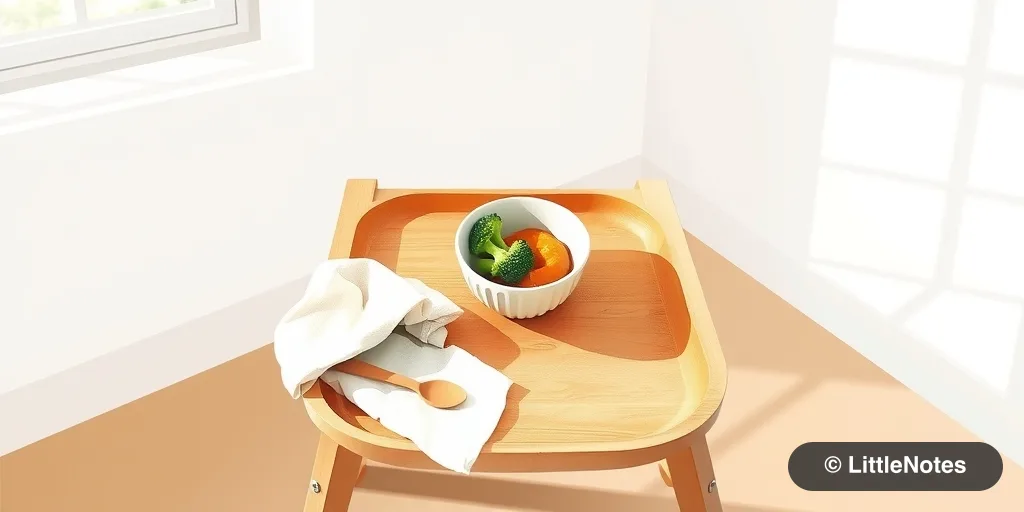
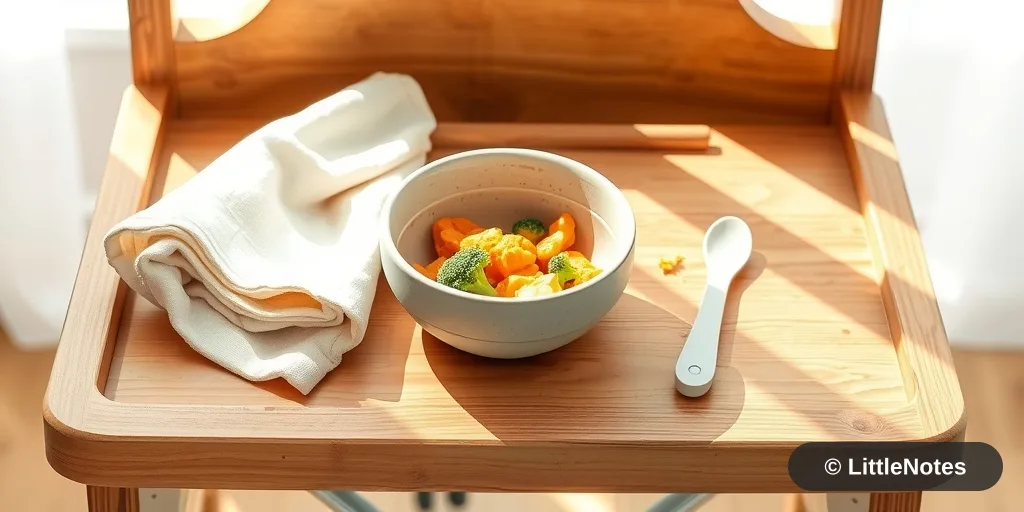
When starting solids, introduce single-ingredient steamed vegetables or fruits one at a time. It is perfectly normal for babies to eat very little initially, as the focus is on exploration and building eating skills, not calorie intake.
To manage nannies working 7-9 hour days, let them handle chores or eat during your baby's nap times. Use these quiet windows as their designated break period.
It is helpful to view a nanny's time as structured but flexible to ensure both childcare and household needs are met. Many parents recommend…
Limit total daily dairy intake to 350-400ml for a 12-month-old. Excessive curd consumption can lead to picky eating, where the child prefers the yogurt over nutritionally dense main meals.
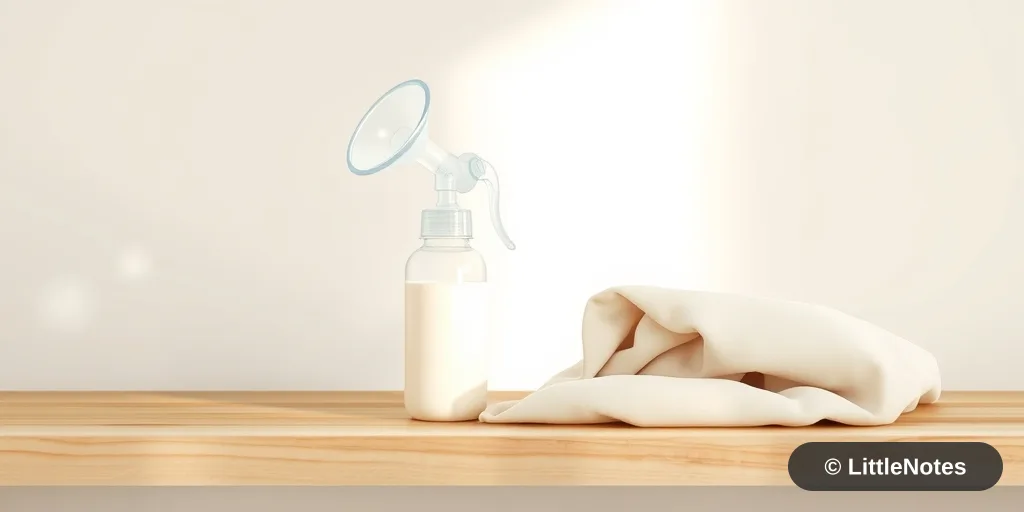
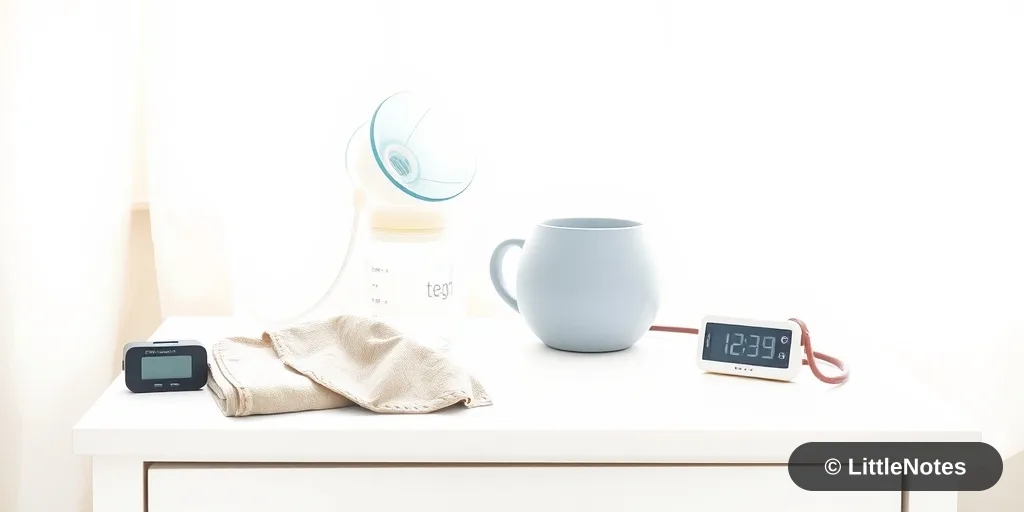
To build a freezer stash of breast milk without extra pumping time, use a manual silicone pump on the opposite breast while your baby is nursing on the first side.
It is completely normal for a baby to show more excitement for grandparents or other caregivers. Psychologists refer to this as the 'safe ha…
If your baby seems more excited to see other family members, remember that babies often reserve their most intense emotions—like fussiness or clinginess—for their primary caregiver because they feel safest with you. This is an indicator of a strong 'safe haven' bond, not a lack of attachment.
It is a common and deeply emotional experience: your baby lights up when they see a grandparent or another caregiver, yet seems fussy or disengaged when they are with you. If this has left you feeling hurt or doubting your bond, please know that you are not alone. The 'Safe Haven' Effect Psychologists often point to the "safe haven" aspect of attachment theo…
For 14-month-olds, 'Taking Cara Babies' offers reliable online blog resources that provide sample sleep schedules to help parents structure their day.
If your supply drops due to illness or medication, you can often boost it by power pumping and increasing the frequency of your pumping sessions to mimic cluster feeding.
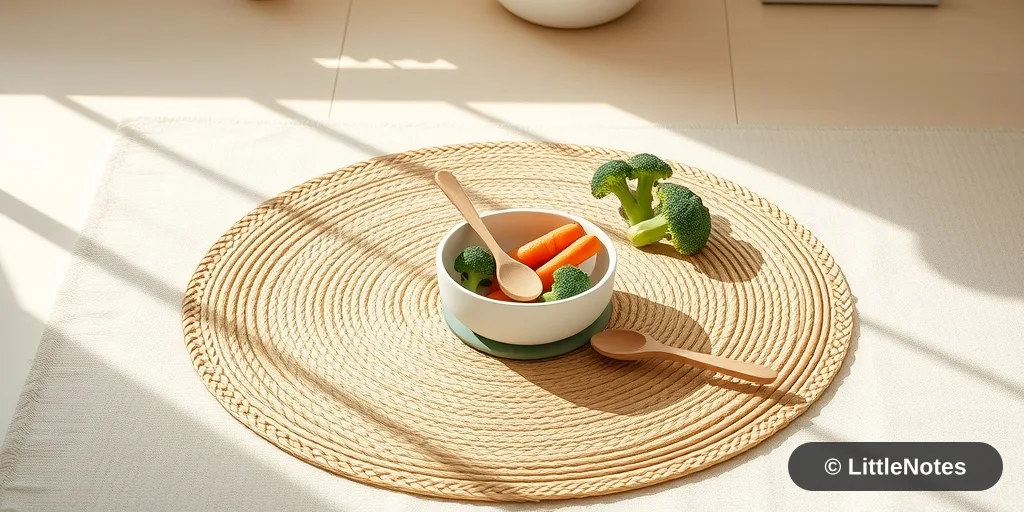
If your baby is resistant to high chairs, move mealtime to a mat on the floor or allow them to sit in your lap. Remove distractions like toys, as they can interfere with the development of a healthy relationship with food.
If your baby rejects a meal, do not force them to eat. Respect their hunger cues and try again a few hours later; their appetite will naturally fluctuate depending on teething or growth spurts.
It is completely normal for a baby's interest in solids to ebb and flow, especially around 7-8 months when teething or minor illnesses may o…
The topic of pacifiers often comes with a lot of conflicting advice. While some medical professionals may express reservations, many parents find them to be a valuable tool for comfort and settling during challenging phases. If you are considering introducing a pacifier, here is how to navigate the decision thoughtfully. Why Parents Choose Pacifiers Pacifier…
If you choose to use a pacifier, opt for orthodontic shapes to support oral development. It is helpful to limit use to specific times, such as naps or travel, to manage dependency.
When traveling by air, a pacifier can be a useful tool to keep a baby calm during delays or transitions when you cannot easily breastfeed or bottle-feed.
When introducing a bottle for one feed a day, use a premie-flow nipple and the 'paced bottle feeding' technique to minimize the risk of the baby developing a flow preference.
If your baby rejects a cup, try placing a tiny amount of formula on the rim so they can taste it, which may help them associate the cup with a positive feeding experience.
If your baby is struggling to transition to an open cup or spoon for formula, try offering the cup when they show early signs of hunger, before they become too frustrated to focus on the new skill.