Community-powered wisdom for first-time parents
Tips on feeding, sleep, milestones, and more — shared by parents who've been there.
Browse tips & articles by topic
Ask questions & share experiences
It is completely normal for babies to reject water when they first start solids, as they receive adequate hydration from breast milk or form…
If your toddler is struggling with teething while eating, silicone spoons are excellent. They are gentle enough for the baby to scratch their inflamed gums on while you feed them.
Constipation in babies can often be managed by focusing on hydration and fiber. Ensure your baby is drinking enough water throughout the day…
The milk ladder is a structured way to reintroduce dairy into a child's diet by starting with foods where milk is heavily baked (like cakes…
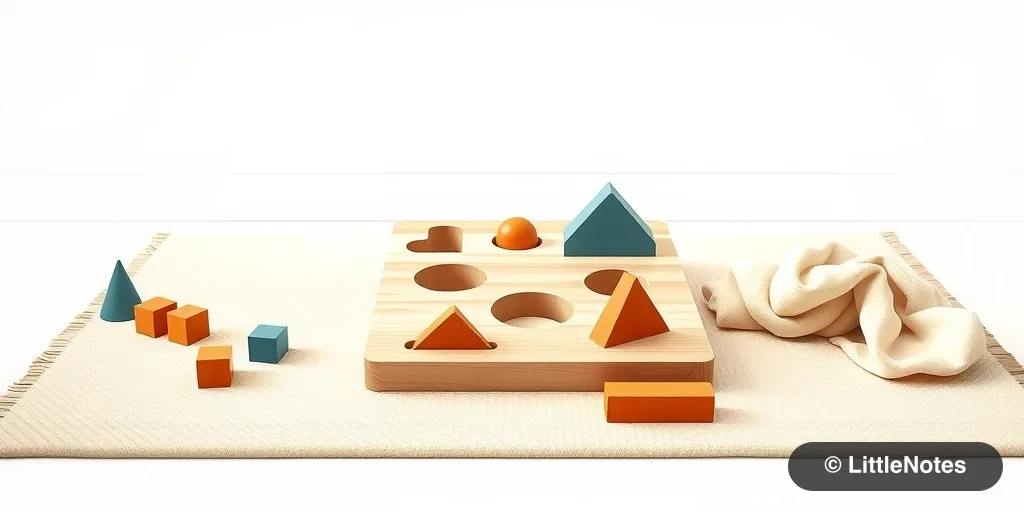
Deciding on a preschool or an early years program is a significant milestone. As you navigate the options, you might find yourself choosing between traditional kindergartens and Montessori-based approaches. Here’s how to frame your search for the best fit for your toddler. Understanding the Pedagogies Montessori: Often celebrated for its focus on 'personaliz…
When researching preschools for your toddler, consider visiting the campus during operational hours to observe the atmosphere and teacher-child interactions, rather than relying solely on online reviews.
Personalized learning is a core element of the Montessori pedagogy, which focuses on the individual pace of each child. In Bangalore, highly…
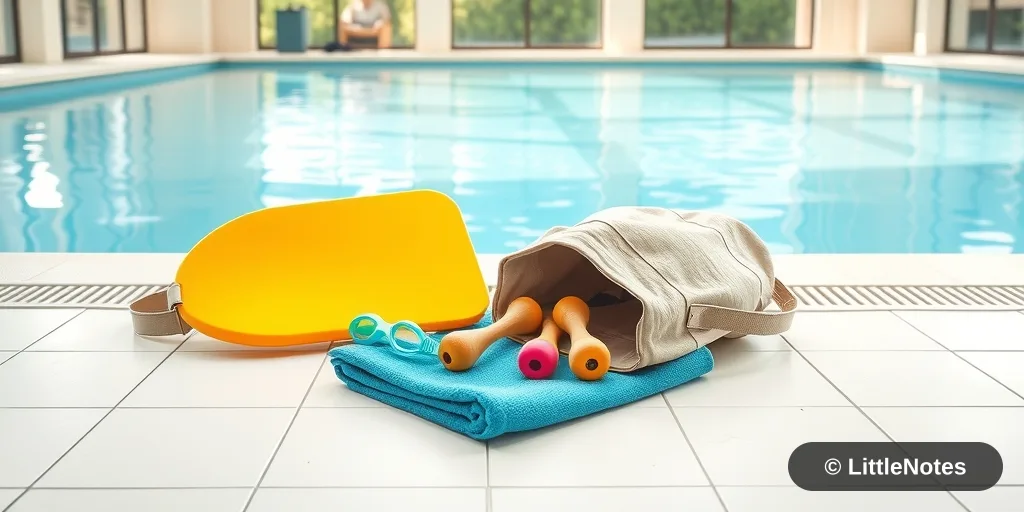
As your baby grows, you might be excited to explore the world of enrichment classes—from baby swimming to music and movement groups. While these can be a wonderful way to bond and socialize, it's natural to wonder when is the 'right' time to start. When to Start? For babies under 6 months, many structured programs may feel developmentally advanced. Enrichmen…
For infants as young as 6 months, swimming lessons are available at centers like Bubbling Fish, which has multiple locations. For general de…
For infants as young as 6 months, specialized swimming classes can be a great way to bond and introduce water confidence. Look for centers like Bubbling Fish that offer infant-specific sessions.
When evaluating activity classes or gyms for your baby, consider trial sessions first. Look for centers that emphasize cleanliness, maintain manageable student-to-teacher ratios, and align with your baby’s developmental stage, such as being able to sit independently.
Most developmental play classes are better suited for babies who have longer wake windows and are able to sit up independently, typically ar…
The tongue thrust reflex is a natural mechanism where a baby pushes objects out of their mouth with their tongue, typically fading between 4…
Food-grade silicone plates are generally safe, but keep in mind that baby food should always be served lukewarm to avoid burning their sensi…
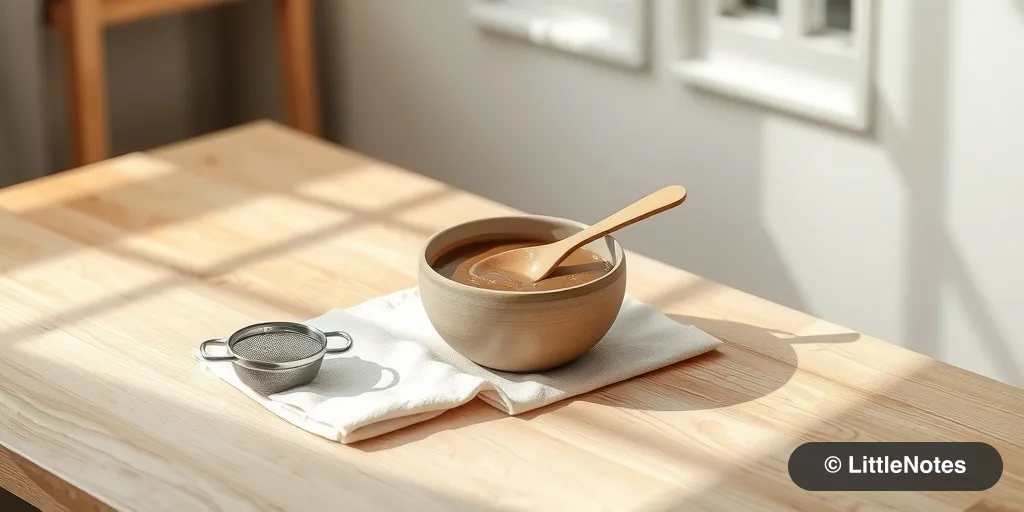
If your baby rejects ragi porridge, ensure the dry flour is sieved thoroughly before cooking. The ideal texture should be viscous and pourable, similar to a thick sambar.
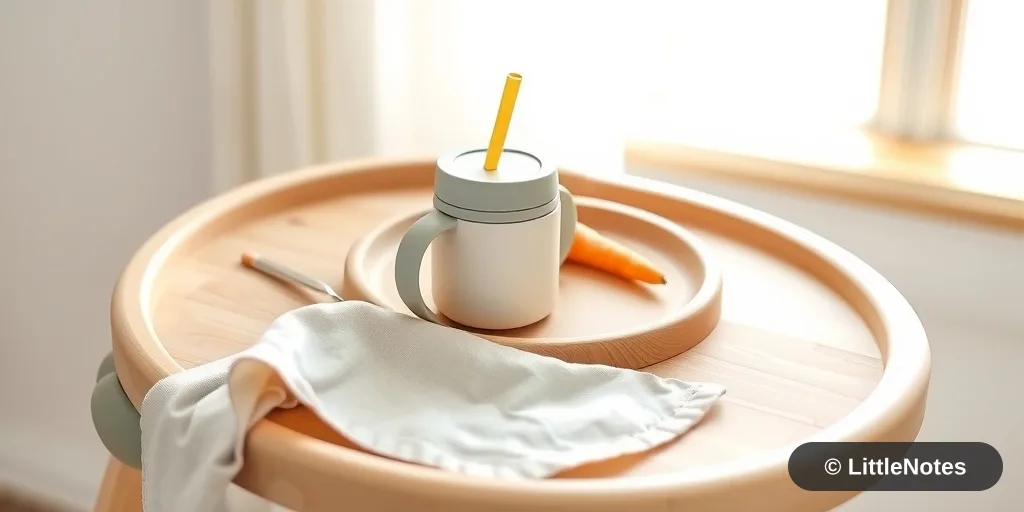
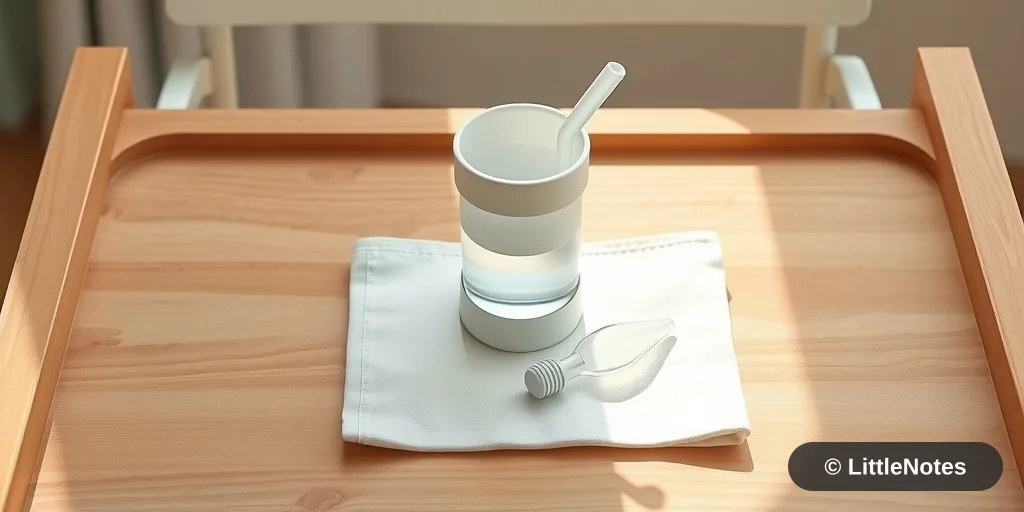
To teach your baby to drink from a straw, start by introducing water via a medicine dropper to get them comfortable with the sensation, then progress to a straw-based sippy cup.
Toddlers may refuse milk in a cup due to the smell, a preference for the familiarity of a bottle, or simply as an expression of autonomy. To…
Cow's milk is typically introduced after the age of 1, as breast milk or formula should remain the primary source of nutrition during the fi…
To build interest in cow's milk after age one, involve your toddler in the process of pouring and preparing it. Allowing them to choose how much they drink creates a low-pressure environment that encourages self-regulation.
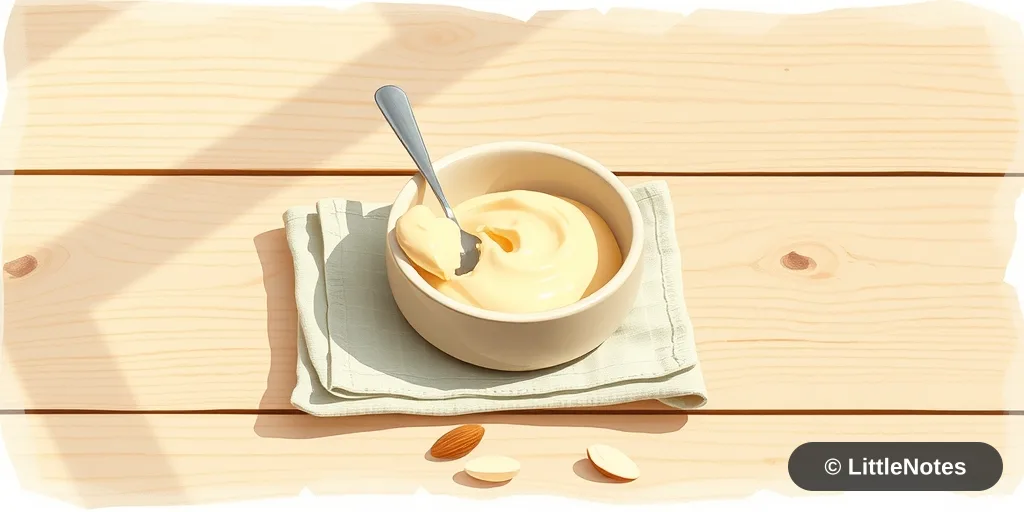
When introducing new foods like almond paste, always wait 2-3 days between new items to monitor for potential allergic reactions.