Community-powered wisdom for first-time parents
Tips on feeding, sleep, milestones, and more — shared by parents who've been there.
Browse tips & articles by topic
Ask questions & share experiences
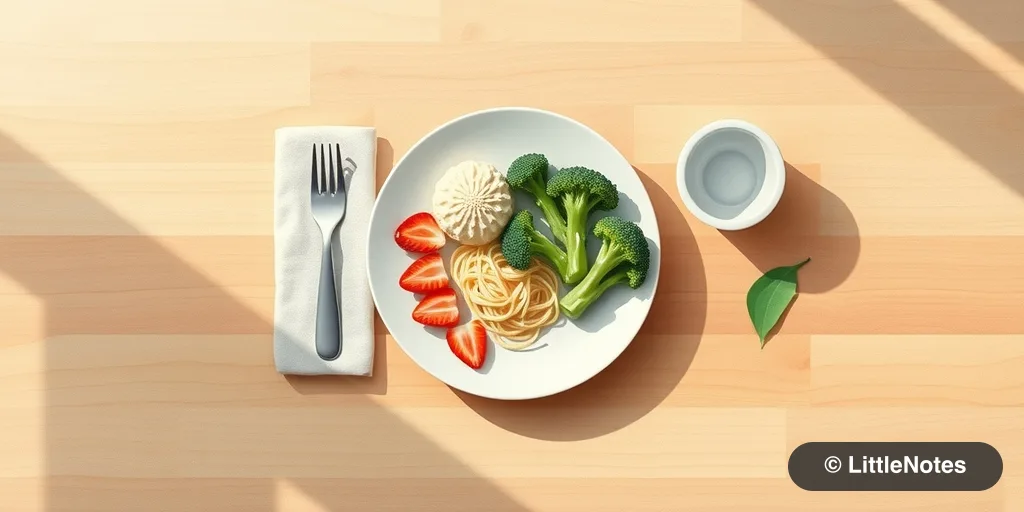
If your toddler has suddenly started rejecting meals they once enjoyed, you are certainly not alone. Around 18–24 months, many children go through phases of selective eating. While it can feel like a high-stakes negotiation, try to keep mealtimes low-pressure. Physical activity before eating can naturally build up an appetite, and involving them in the proce…
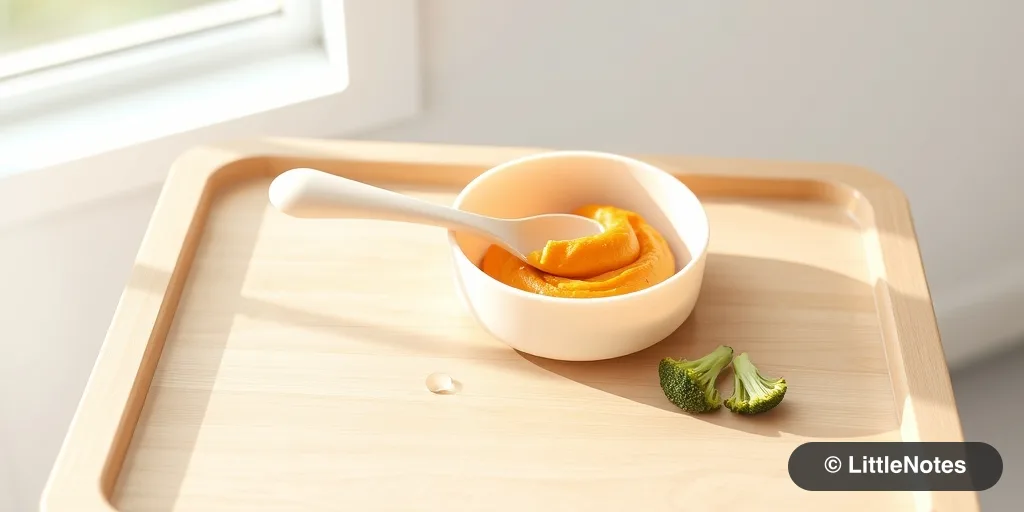
Embarking on the solids journey is an exciting milestone, but it’s common for first-time parents to feel anxious when their baby refuses a meal. If your 6-month-old is hitting the spoon or crying at mealtime, remember: at this stage, solids are primarily for exposure, exploration, and building a positive relationship with food. Nutrition still comes primaril…
Avoid non-breathable bedding as it traps heat and can lead to skin irritation. Use muslin cloths for swaddling to keep your baby cool and comfortable.
It is common for infants to experience significant sweating while sleeping, often due to non-breathable bedding materials or high room tempe…
To introduce formula to an exclusively breastfed baby, consult your pediatrician to choose a formula that suits your infant's needs. Follow…
Diaper-free time is excellent for letting your baby's skin breathe and preventing rashes. However, it can be messy! Here is how to manage these periods effectively for your infant. The Essentials To keep your surfaces clean and your baby comfortable, avoid the constant rotation of sheets and clothes by using the right tools: Padded Training Pants: These are …
Yes, it is generally considered acceptable to delay a vaccination by a short period like one week. However, it is always best to consult you…
To manage diaper-free time without constant messes, use absorbent 'dry-feel' langots or padded training underwear, which can hold multiple p…
If you are looking for parent-toddler activities in the Whitefield area, it is worth checking if Openhouse is currently operating in that ne…
Check the Openhouse platform to discover available parent-toddler classes and activity centers in your local area.
It’s common for parents to notice tiny, mysterious red bumps on a baby’s delicate skin. While it can be worrying, many parents find that these reactions are often simple sensitivities to ingredients in lotions, washes, or even oils. If your little one develops a rash after using a product, the first step is usually to discontinue use of that item and return …
It is not uncommon for babies to have sensitive skin reactions to specific brands like Aveeno. If your little one develops red bumps, try sw…
Keep your baby engaged during tummy time by using high-contrast cards, singing, pop-up books, or by placing a mirror in front of them.
It is completely normal for babies to rock on their hands and knees for days or even weeks before they start moving. They are simply buildin…
Tummy time is essential for building the neck, shoulder, and core strength needed for rolling, crawling, and sitting. However, it’s also a common source of frustration for many parents because babies often protest at first. Don't Panic About the Crying It is completely normal for a baby under 3 months to dislike tummy time. If your baby cries, you don’t have…
If your baby dislikes floor-based tummy time, try placing them on your chest, your lap, or across a feeding pillow to help them strengthen their neck and shoulder muscles.
Use an audio-only baby monitor for naps; it is easy to carry around and allows you to move freely without needing to keep an eye on a video screen.
When playing with a newborn, have only one person engage at a time. This prevents overstimulation and helps the baby focus on the interaction.
Newborns have very limited vision and attention spans, so it is best to have only one person interacting with them at a time to prevent over…
If you’ve noticed your infant suddenly refusing the breast or bottle during teething, you aren't alone. It is common for babies to change their feeding habits—either drinking less milk or becoming more interested in solid foods—when their gums are sore. Why Feedings Change Teething can make the act of sucking painful due to the pressure on inflamed gums. Whi…