Community-powered wisdom for first-time parents
Tips on feeding, sleep, milestones, and more — shared by parents who've been there.
Browse tips & articles by topic
Ask questions & share experiences
If your baby rejects a bottle, try experimenting with different nipple flow sizes; sometimes the flow causes irritation if it differs significantly from your breast.
Introducing a bottle to a breastfed baby can feel like a daunting task, but it is a common hurdle many parents face. If your little one is pushing the bottle away, don't lose heart—consistency and timing are your best allies. First, timing is everything. Try offering the bottle when your baby is calm and content, rather than waiting until they are “hangry.” …
Many mothers find relief from postpartum hair fall by taking biotin-rich postpartum hair gummies once they reach four to six months postpartum.
It’s common for babies around the 8-12 month mark to suddenly become "little explorers." If your infant has started pinching, scratching, or pulling hair, it is rarely an act of aggression. Often, this coincides with newfound mobility and a high desire for sensory feedback. At this age, babies explore the world through touch. If they are pulling hair or tapp…
Sudden pinching, scratching, or hair pulling in 8-10 month olds is often a normal, playful exploration of cause-and-effect as their mobility…
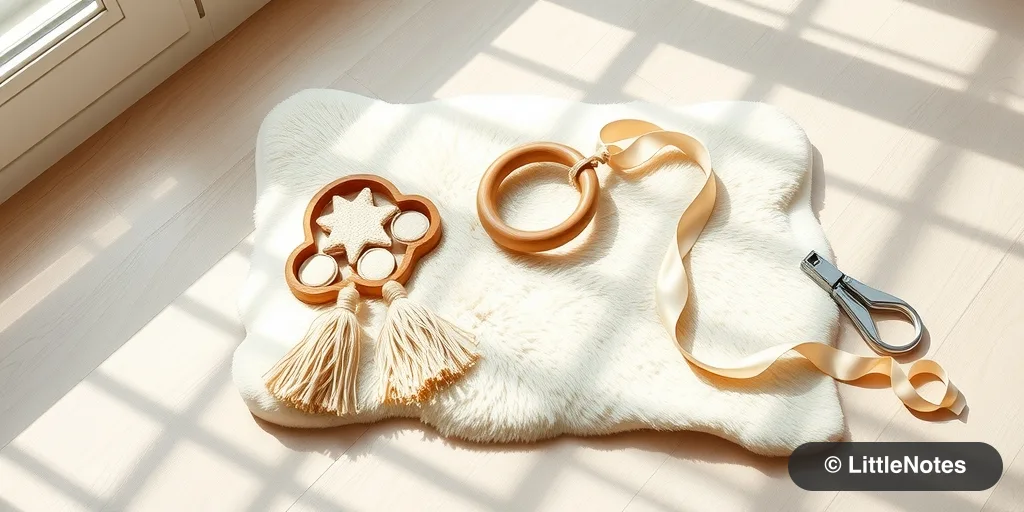
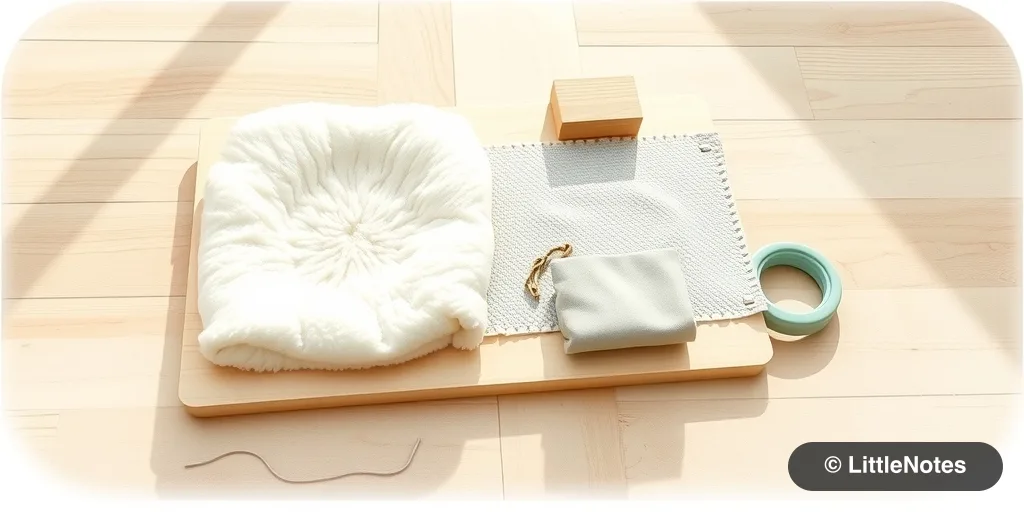
If your baby is pinching or scratching, redirect their energy by offering varied textures like fleece blankets, bubble wrap, or soft toys with velcro to explore.
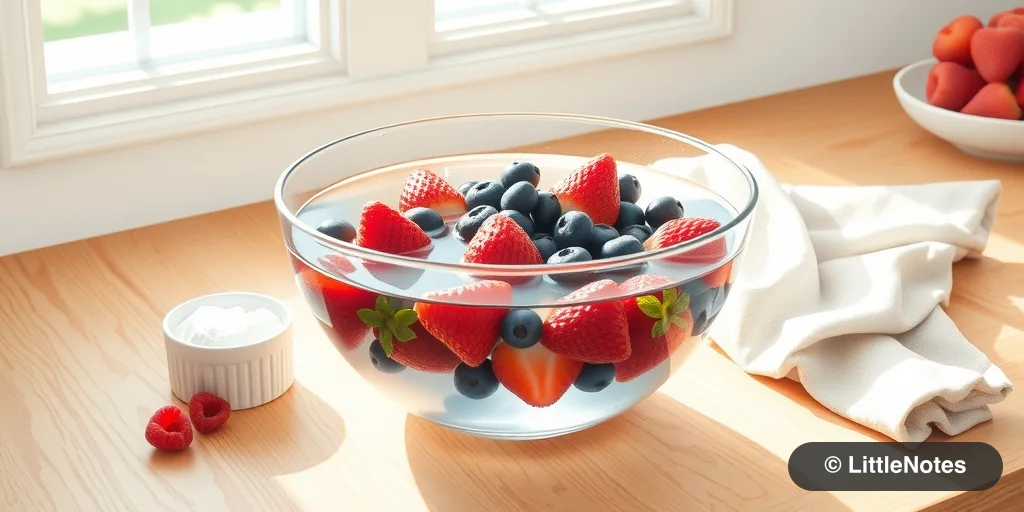
Soak berries and other produce in water with a bit of baking soda or vinegar for 15-20 minutes to remove potential insecticides before serving.
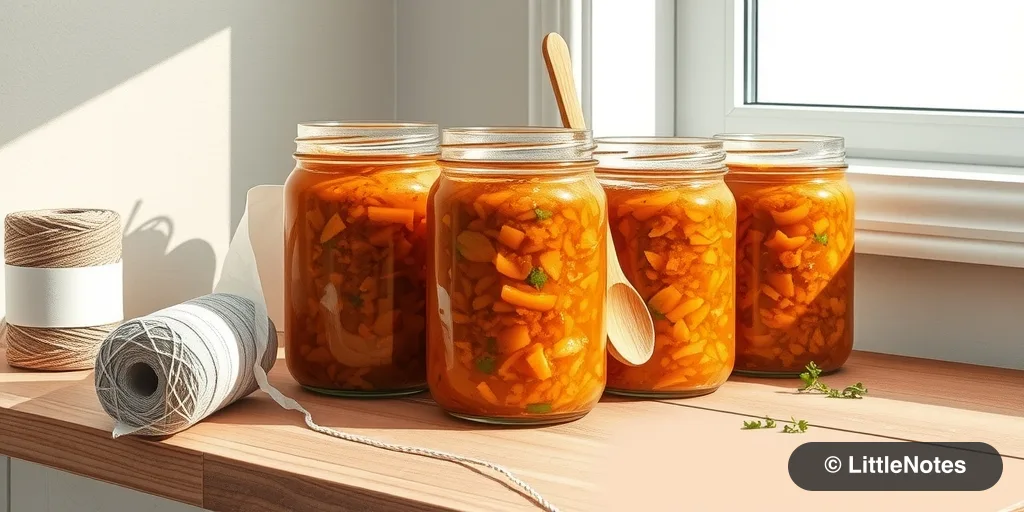
Make large batches of onion-tomato masala or gravies on weekends and freeze them in portions to make quick, healthy meals during the busy week.
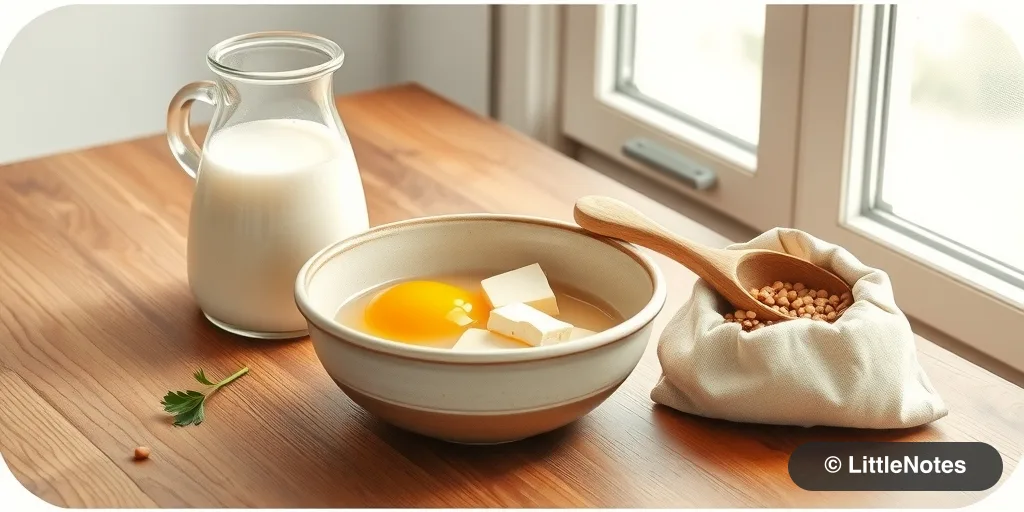
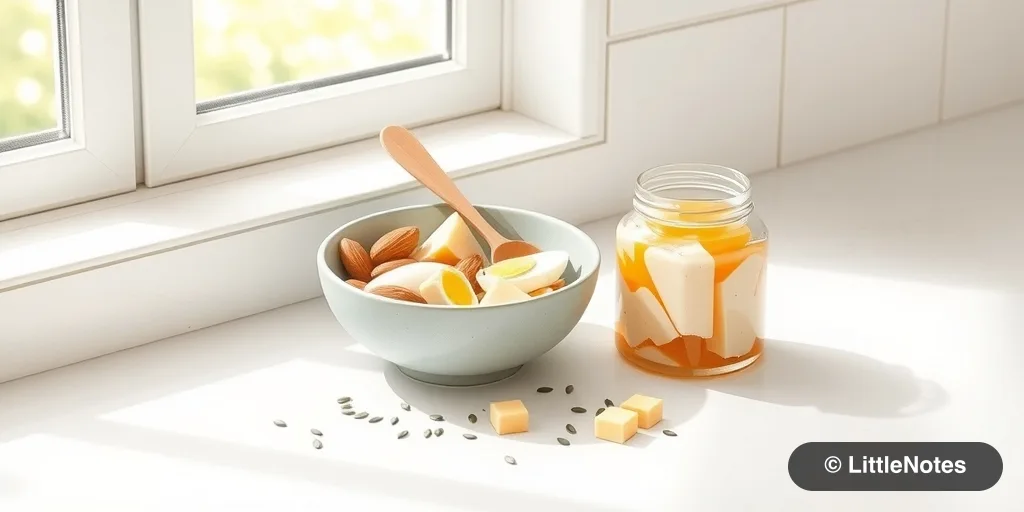
Aim for simple, sustainable staples like eggs, milk, legumes, and paneer daily, and use protein powders only to bridge any remaining gaps in your intake.
When you’re balancing the demands of a toddler with little to no outside help, your own nutrition often falls to the bottom of the to-do list. Many parents find themselves struggling to hit daily protein goals, leading to fatigue and constant hunger. If you’re feeling depleted, here is a simple guide to reclaiming your energy through smarter protein choices.…
If you struggle to find time for protein shakes, mix unflavored protein powder into liquid-based foods like dal, idli batter, or dosa batter for a convenient boost.
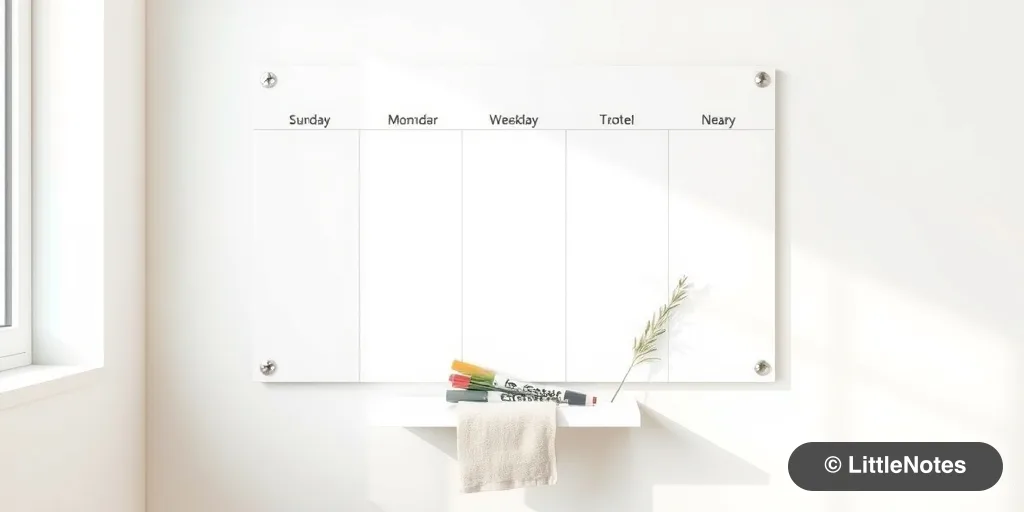
Write your weekly meal plan on the fridge every Sunday to save the mental energy spent deciding what to cook each day.
Meeting protein needs can be challenging for busy parents, but you can simplify it by incorporating protein into meals you already make. Unf…
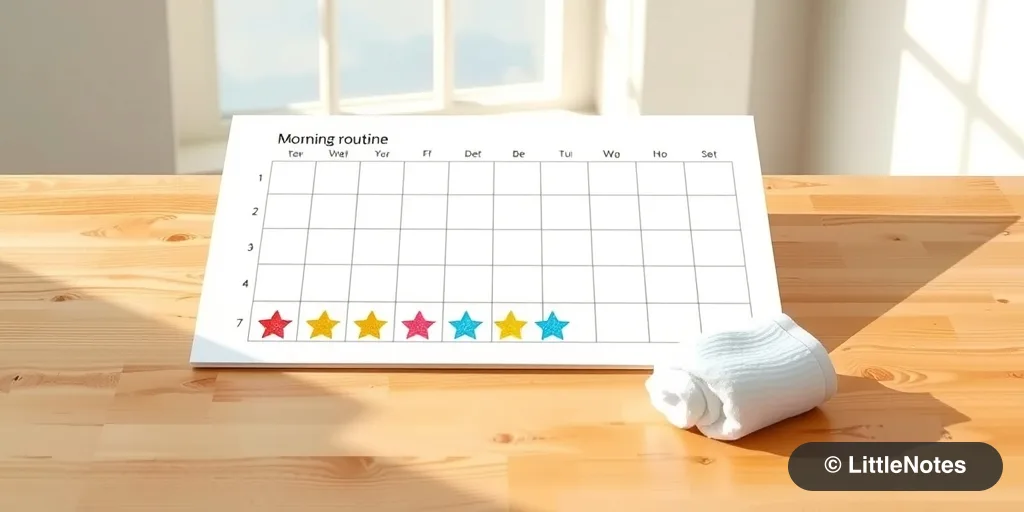
A sticker chart can be a highly effective, non-punitive way to help toddlers break habits like screen time or build new routines like toothbrushing.
Decisions regarding optional vaccines should be made in consultation with your pediatrician based on your child's health and travel history.…
Watching a little one struggle with motion sickness can be stressful, especially when you are trying to travel or run errands. While it is common for toddlers to experience travel-related nausea, there are several strategies that may help alleviate their discomfort. Practical Tips for the Road: Mind the Meals: Avoid feeding your child a heavy meal right befo…
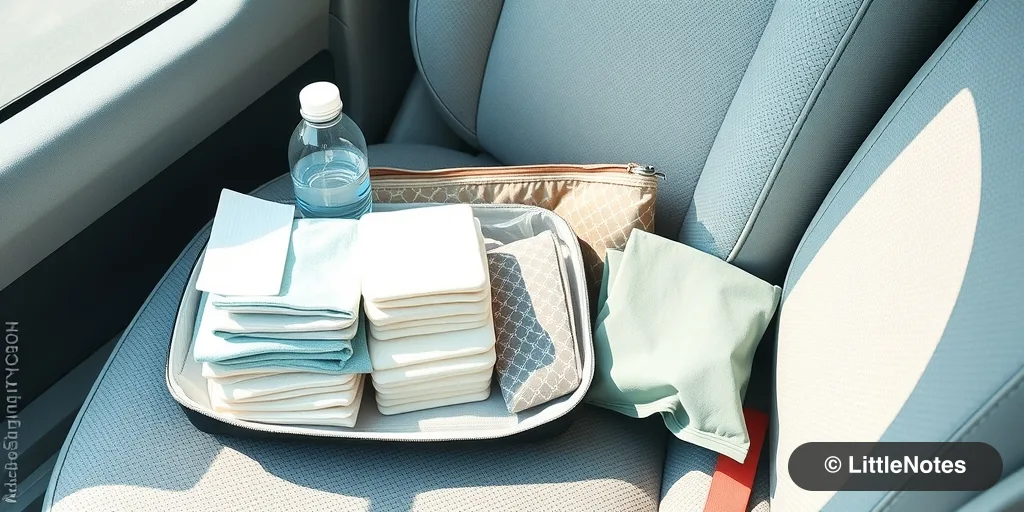
When traveling with a child prone to motion sickness, carry multiple plastic bags and absorbent pee pads to easily manage clean-ups inside the car.
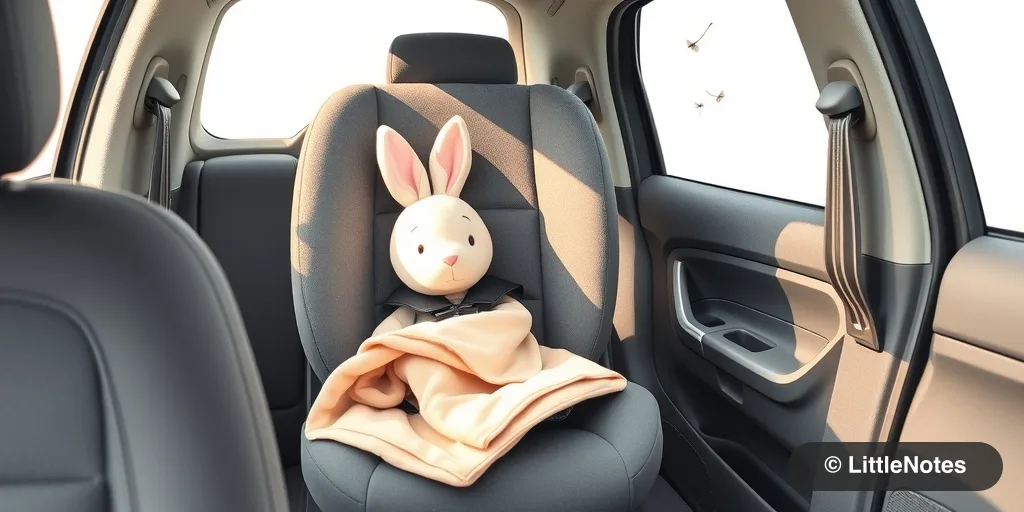
If your toddler suffers from motion sickness, try timing car journeys to coincide with their natural nap schedule to reduce discomfort.
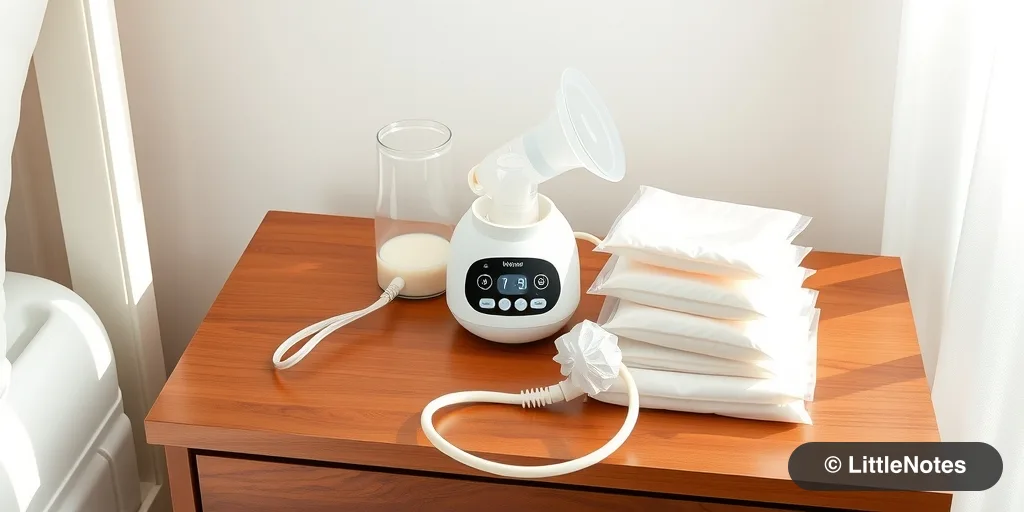
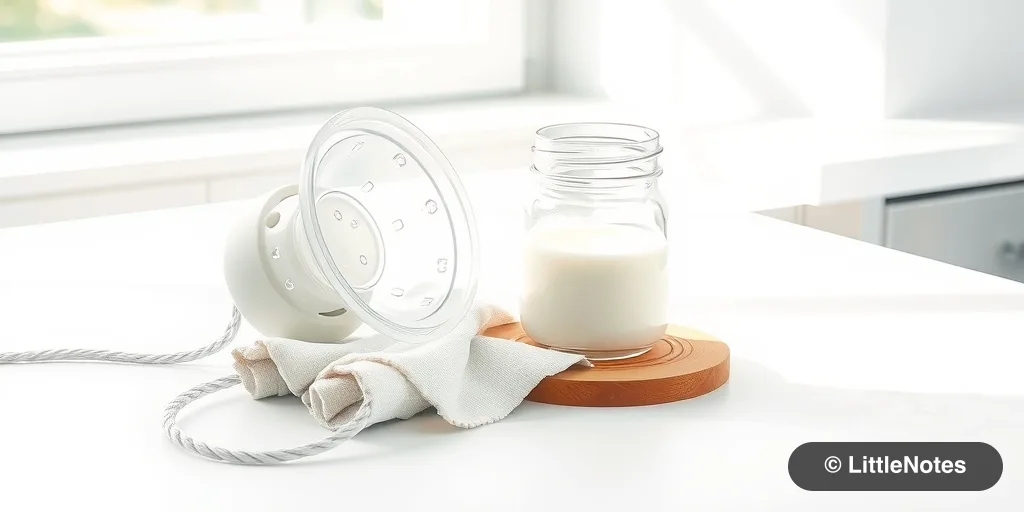
If you are looking to build a freezer stash or maintain supply while breastfeeding, try pumping about 30–60 minutes after a feed, especially…
Try pumping 30-60 minutes after your first morning feed when prolactin levels and milk supply are typically at their highest.