Community-powered wisdom for first-time parents
Tips on feeding, sleep, milestones, and more — shared by parents who've been there.
Browse tips & articles by topic
Ask questions & share experiences
It is completely normal to experience intense, sometimes "maddening" hunger while breastfeeding or pumping, as your body is working hard to…
Fussiness during bottle feeding can often be linked to the flow rate of the nipple. If your baby seems frustrated, try testing a faster nipp…
To transition a baby to sleep without feeding, try establishing other associations like rocking, patting, or shushing, and gradually weaning off the feed-to-sleep habit.
When you have new baby hair growing in as a fringe, use styling clips or headbands to manage the look while it grows out.
Increase physical activity by spending 1–1.5 hours in a park where the child runs freely without a stroller or tricycle. This helps expend energy and often aids in a faster bedtime transition.
As toddlers transition out of naps, bedtime may naturally become later. If your child resists a nap, skipping it entirely on some days may lead to an earlier, easier bedtime.
If your toddler is taking too long to fall asleep, try pushing the bedtime back by 15–20 minutes. This can reduce frustration and help both parent and child stay relaxed.
It is quite common for toddlers to take 45–60 minutes to fall asleep, especially as they approach the transition of dropping their afternoon…
If you are struggling to get your toddler to sleep in under an hour, know that you are not alone. The "20-minute perfect routine" often seen in books and online articles rarely accounts for the developmental complexity of a toddler who is becoming more independent, communicative, and aware of their environment. Why It Takes Time Many parents find that betwee…
A warm bath just before bedtime can be a soothing ritual to calm a toddler down and signal that it is time for sleep.
If an Amazon package is marked 'delivered' but has not arrived, wait until the evening as delivery personnel sometimes mark items as delivered prematurely to meet quotas.
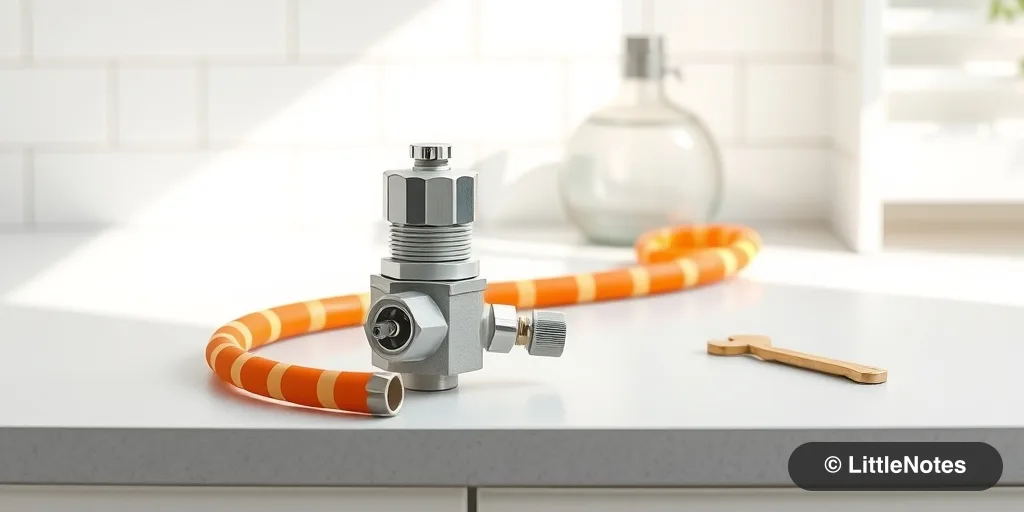
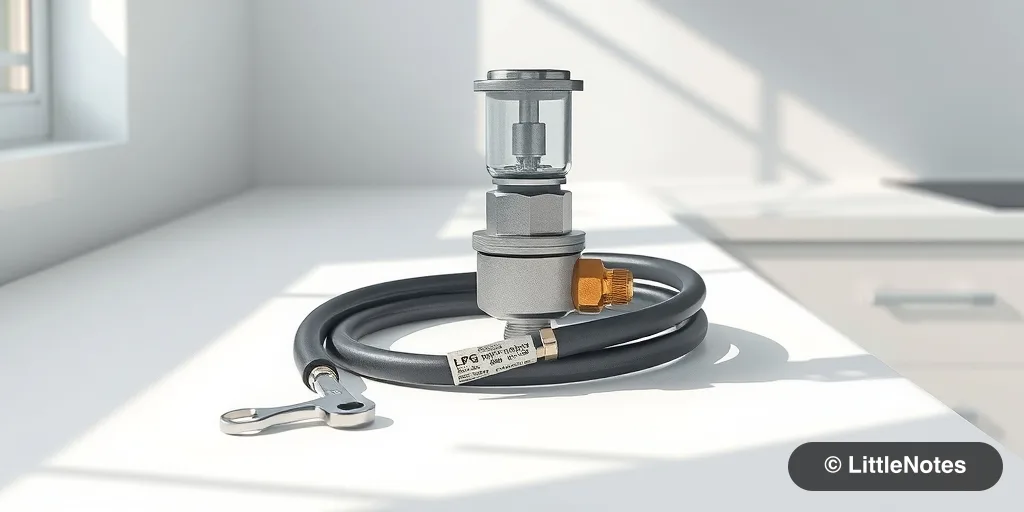
Always obtain gas cylinder regulators directly from your official gas agency rather than buying them from outside shops to ensure safety and quality.
It is strongly recommended to only source gas regulators directly from your official gas agency. Do not purchase them from outside vendors,…
When seeking dermatological care for an infant, it is important to choose a specialist who has experience with newborn skin. Parents often l…
Avoid forcing a reduction in daytime naps, as overtiredness and overstimulation can lead to more sleep struggles. Nap patterns typically consolidate naturally as your baby's solid food intake increases.
To help your baby become comfortable with caregivers other than yourself, have the other caregiver take over comforting rituals like lotions, massages, and bath time. Consistent exposure to these soothing activities will help the baby associate them with comfort from others.
Returning to work after maternity leave is a significant transition, and it’s natural to feel overwhelmed, especially when you are the primary person your baby relies on for sleep and comfort. Many parents share the same struggle: babies often equate "mom" with "bedtime." If you are worried about how your little one will settle while you are away, consistenc…
Mastitis often presents as fever, chills, and painful, red, or engorged breasts. If you have a fever, it is important to contact your health…
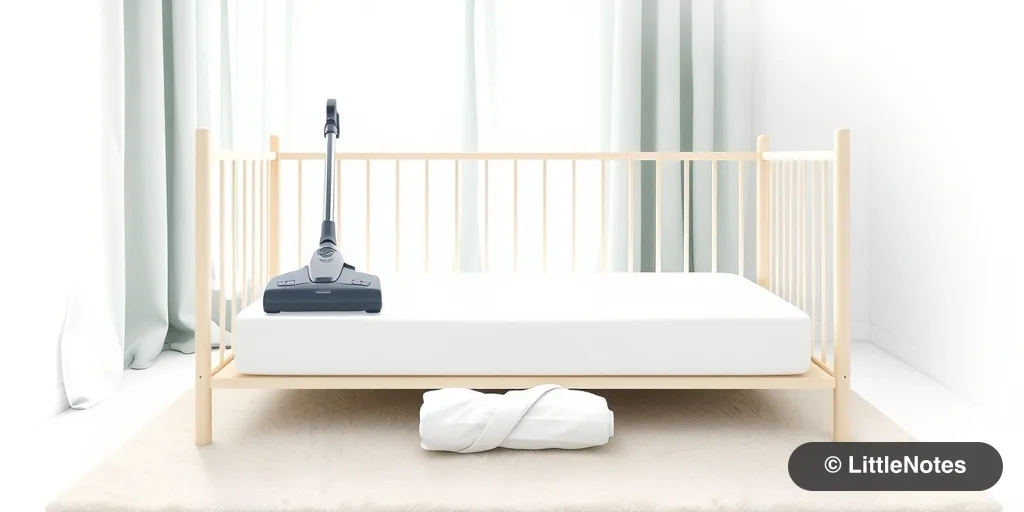
To help a congested baby breathe better at night, create a gentle incline by placing a rolled towel under the mattress; never use pillows for infants.
Reduce household allergens by vacuuming curtains and carpets regularly and keeping stuffed animals out of the crib or bed to help with chronic congestion.