Community-powered wisdom for first-time parents
Tips on feeding, sleep, milestones, and more — shared by parents who've been there.
Browse tips & articles by topic
Ask questions & share experiences
If you are concerned about developmental milestones, use a standardized resource like the CDC Milestone app. It provides a more balanced perspective compared to anecdotal advice or social expectations.
When traveling internationally with a toddler, look for Ella's Kitchen food pouches and Kiddylicious snacks in local grocery stores. They are widely available in many countries and are a convenient, baby-friendly option.
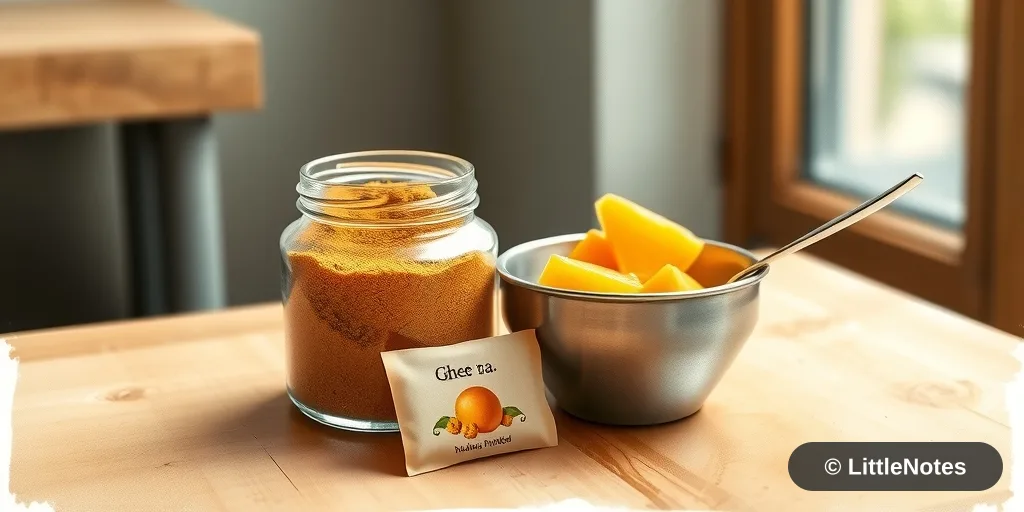
For travel-friendly nutrition, carry roasted and powdered makhana, which can be mixed with hot water or fruit purées to make a quick, filling meal. Ghee packets are also easy to pack to add healthy fats to restaurant-prepared sides.
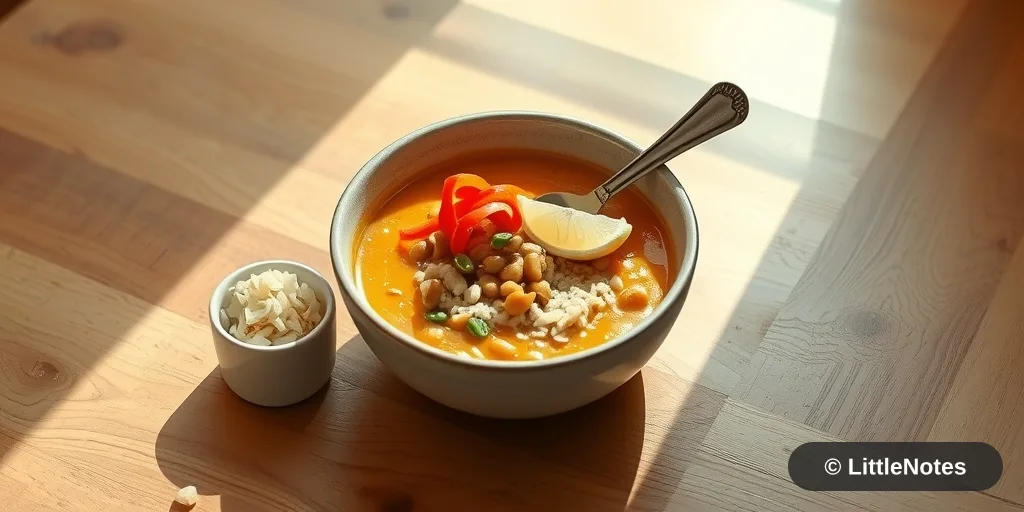
To build an iron-rich diet for a vegetarian baby, focus on complete protein and iron sources like dal-rice/khichdi combos, rajma, chana, and paneer. Pair these with Vitamin C-rich foods like lemon or bell peppers to boost iron absorption.
If your pediatrician has identified your baby as underweight, avoid obsessing over weight gain in the short term. Instead, focus on providin…
In the world of toddler activities, we often feel pressured to produce a 'perfect' craft to hang on the fridge. However, there is a growing movement in early childhood development known as 'Process Art.' Unlike product-oriented crafts—where the goal is to make a specific flower, animal, or card—process art is entirely focused on the experience of creating. W…
Process art camps are a wonderful way for toddlers to engage in sensory-rich, open-ended creative activities, which help build confidence and independence through play and storytelling.
Top recommendations from parents include Trash Truck, Sea of Love, Bluey, Puffin Rock, Curious George, Number Blocks, and If You Give a Mous…
Many parents begin introducing gentle Indian seasonings like jeera, oregano, pepper, cardamom, cinnamon, and garlic as early as 6-10 months…
Many parents shy away from adding flavor to baby food, but you don't need to serve bland, unseasoned meals. Introducing herbs and spices early is a wonderful way to broaden your child's palate and make family mealtime much easier since everyone can eat the same dish. Why Introduce Flavors Early? Babies are naturally curious, and they are often more willing t…
For tummy gas and discomfort, try applying slightly warm hing (asafoetida) mixed with a little water or ghee around the belly button.
Avoid auto-play settings on streaming platforms to prevent endless binge-watching. Choose shows with a specific runtime (like 25 minutes) to make it easier for your child to recognize when screen time is naturally over.
Let your child turn the TV on and off themselves to help them feel in control. Praise them when they turn it off on time, which helps build a positive habit around screen limits.
Hair loss is a completely normal developmental phase for infants, usually occurring between 4-6 months as they lose their fine newborn hair.…
Many parents introduce their babies to water around 4-5 months of age. Always ensure you use swim-appropriate diapers and keep pool time sho…
While diaper changing stations can be convenient, they are not essential, especially if you are on a budget or have limited space. Most pare…
It is quite common for infants to be fussy during oil massages or bath time, often because they are hungry, tired, or dislike the sensation…
Transitioning to a straw cup is a learned skill that babies often master with consistent practice. Many parents find success by skipping the…
If you have a quiet, observant baby, you have likely heard the unsolicited opinions: 'He’s too serious,' 'She needs to be more active,' or the dreaded, 'He’s going to get bullied for being so dull.' It is incredibly common for well-meaning relatives to compare your infant's personality to other children, or to suggest that a calm baby lacks the 'naughtiness'…
It is completely normal for a 6-month-old to have a calm and observant temperament. There is no such thing as being 'naughty' at this age, a…