Community-powered wisdom for first-time parents
Tips on feeding, sleep, milestones, and more — shared by parents who've been there.
Browse tips & articles by topic
Ask questions & share experiences
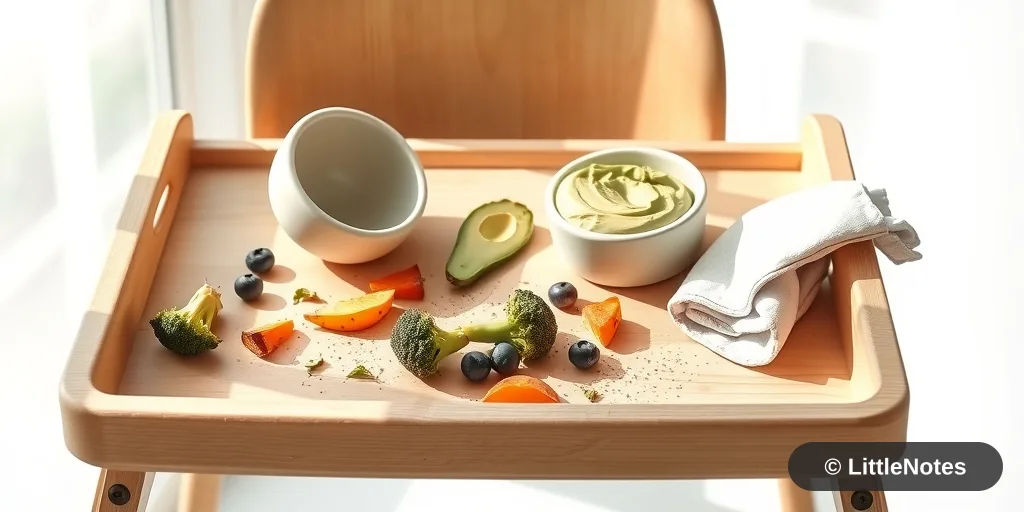
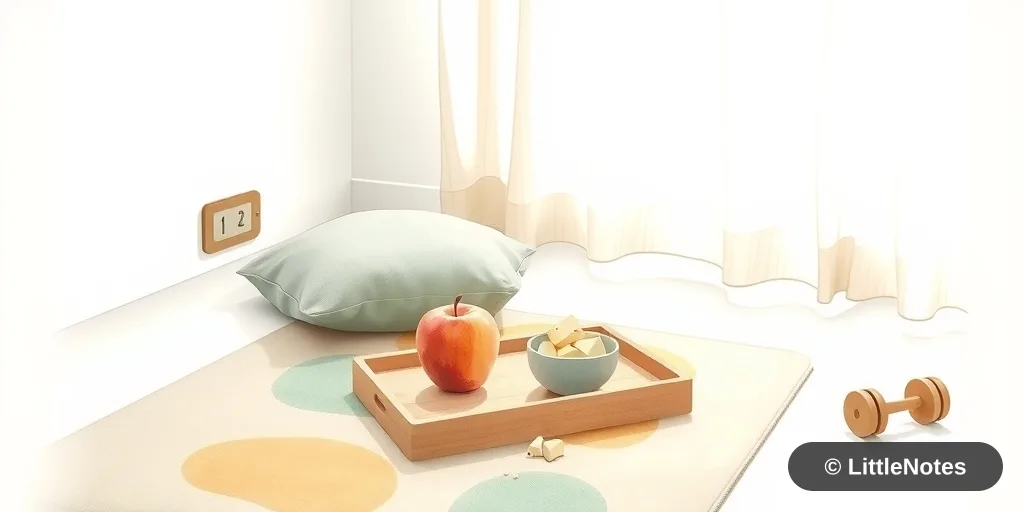
It is completely normal for a 7-month-old to be more interested in playing with, throwing, or turning over their food than actually eating i…
To encourage Baby Led Weaning (BLW), avoid force-feeding or continuously hovering. Model the act of eating and chewing yourself, and if your baby throws food, consistently remove the plate while calmly explaining that throwing is not allowed.
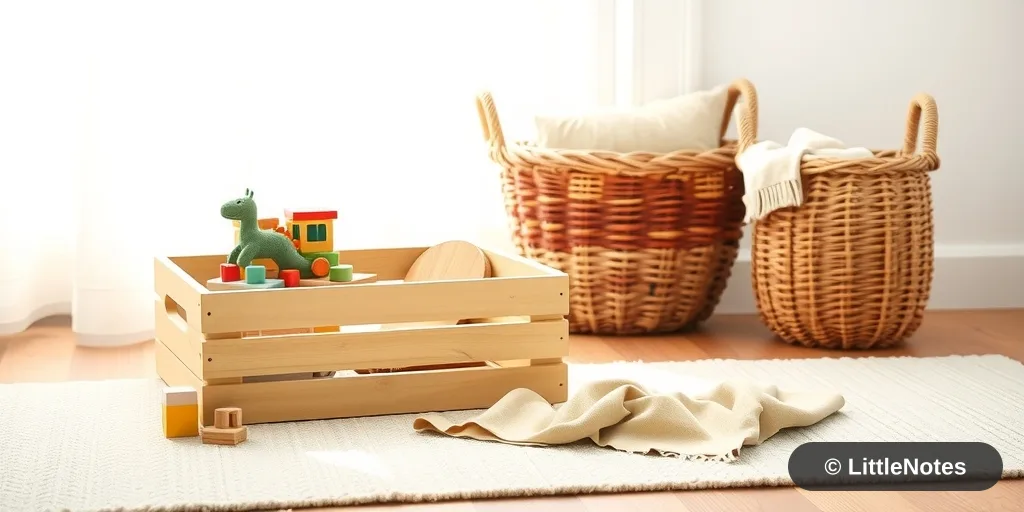
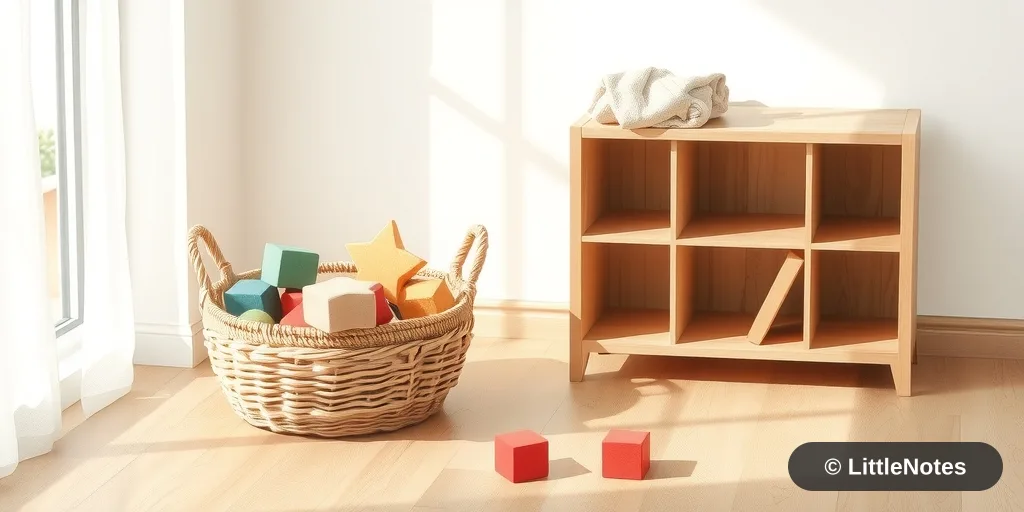
This is a gradual process that takes consistency. Strategies that work include playing the clean-up song, making it a game where toys jump i…
Play the clean-up song while tidying toys — many playschools use this and toddlers respond to it at home too. Model cleaning up yourself and narrate what you are doing rather than asking them directly.
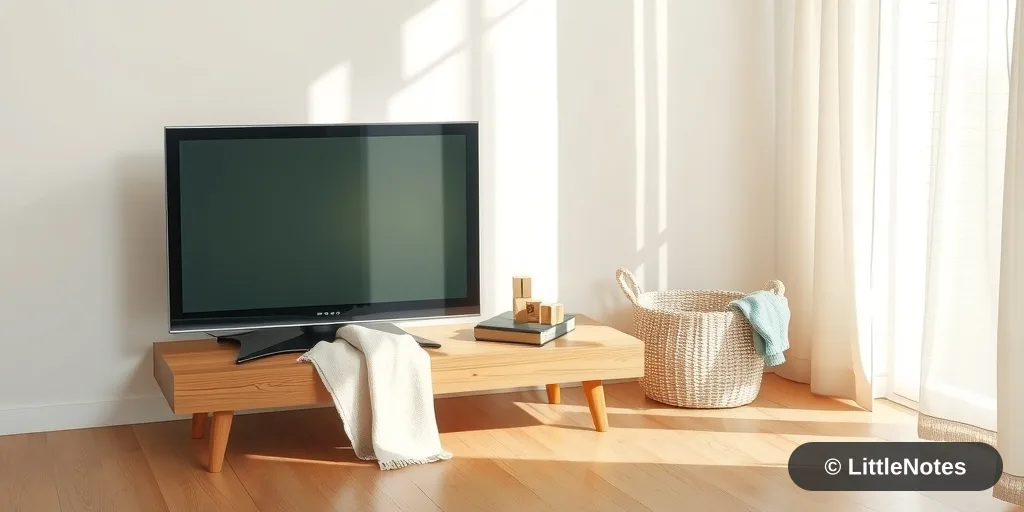
Introducing low-stimulation shows first — Daniel Tiger, Peppa Pig, Ms Rachel — makes it easier to manage screen time limits later. Avoid auto-play and let your child turn off the TV themselves to build the habit.
Most parents in the community introduced screen time after the second birthday, starting with low-stimulation shows like Ms Rachel, Daniel T…
Maintain clear, calm boundaries by consistently stating that you love them but their behavior is not okay. Model calm reactions to your own stress, as toddlers learn emotional regulation primarily by observing the adults around them.
When a toddler is having a tantrum, use the 'HALT' acronym to check if they are Hungry, Angry, Lonely, or Tired. Addressing the basic physical needs of hunger and fatigue often resolves the behavior.
If you are breastfeeding a toddler who still wakes multiple times at night, you are not alone. Many parents find themselves at 18 months or beyond, still navigating broken sleep and wondering when and how to gently wean off night feeds. The consensus from experienced parents is clear: it is hard, but it works faster than you think. Most report that firm, con…
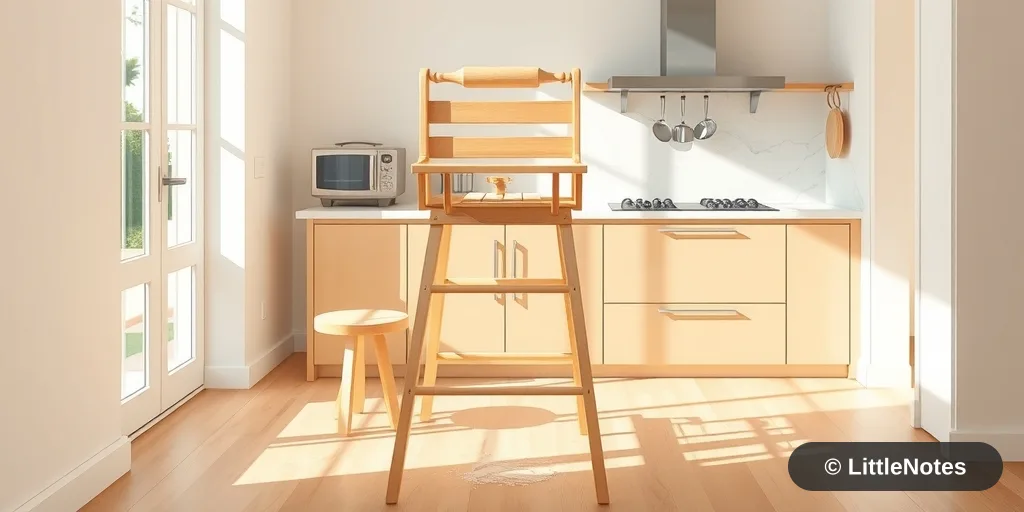
Learning towers — those elevated platforms that let toddlers safely reach kitchen counter height — have become a must-have for many parents. But with options ranging from simple step stools to elaborate multi-function stations, how do you choose? The Options Woodbees offers a heavy, stable wooden tower with a blackboard attachment. The weight is actually an …
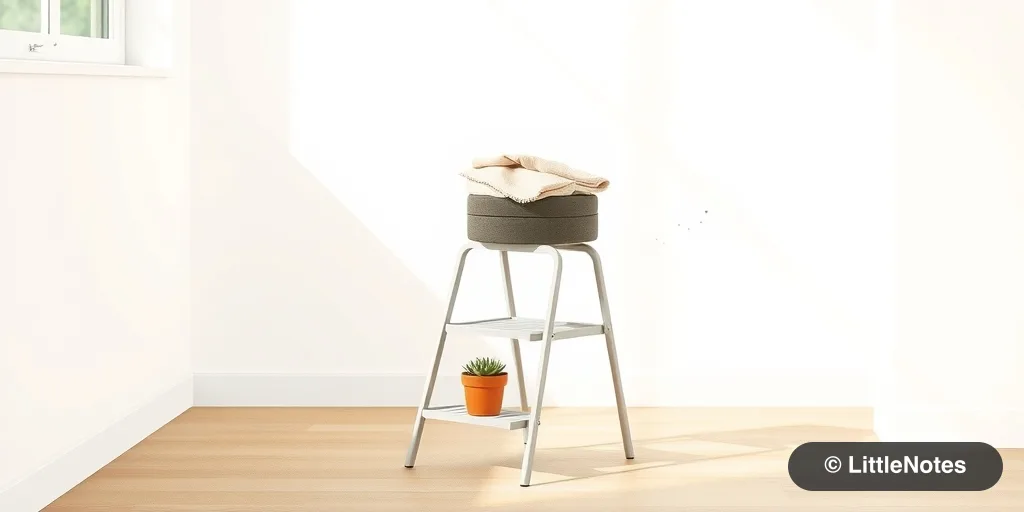
The Miniture step ladder is a good lightweight alternative to bulky wooden learning towers. Skip the sensory bin attachment — most parents report it goes unused.
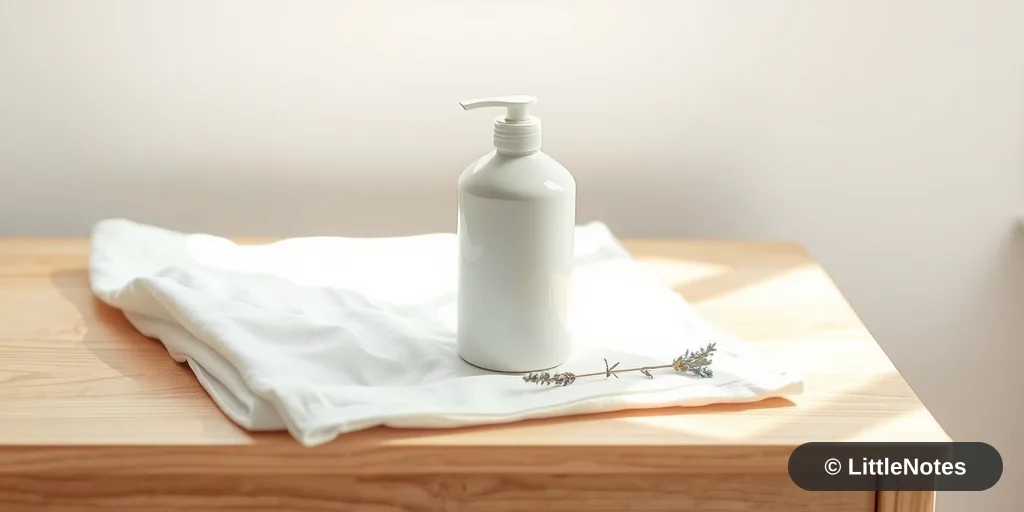
If you are concerned about your baby’s skin rashes, consider checking if your body lotion or oil is a trigger. Switching to a fragrance-free, sensitive-skin brand like Cetaphil or Physiogel can often resolve unexplained irritation.
To manage baby skin conditions like eczema or chronic dryness, keep the skin hydrated with a moisturizer like Physiogel. Ensure bathwater is lukewarm, as high temperatures can strip the skin of its natural moisture barrier.
For babies with eczema or persistent dry skin, keeping the skin barrier hydrated is essential. Pediatricians often recommend fragrance-free,…
For toddlers starting at around 14-15 months, LEGO Duplo is an excellent investment. They are durable, safe, and can keep children engaged for hours as they develop their fine motor skills through age 2 and beyond.
At 14 months, children are typically in the stage of 'parallel play,' meaning they prefer to play alongside other children rather than directly with them. Don't feel pressured to force structured playdates; taking them to parks or open play areas where they can observe others is sufficient social interaction.
It is completely normal to feel hesitant about starting playschool when you are already providing a rich environment at home. While you may…
If you are worried about school safety, you have the right to request access to CCTV footage if an incident occurs. Use official communication methods to document your request and ensure school management remains accountable for child safety.
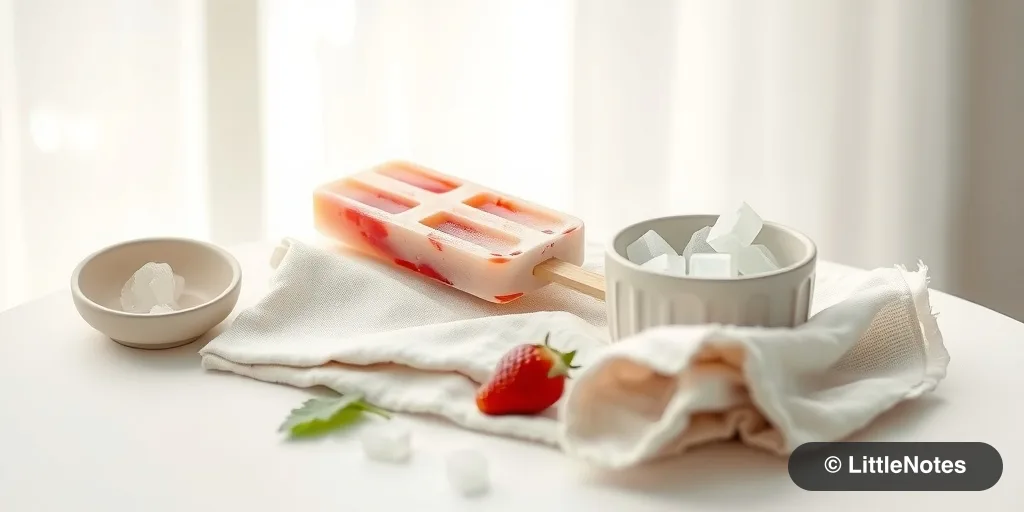
For toddlers with molar teething pain, gently massaging their gums during brushing can provide relief. Chilled or frozen popsicles are also an effective way to soothe inflamed gums during this phase.
When introducing children to new activities like swimming or gymnastics, look for centers that offer trial sessions. If a child is hesitant, don't force participation; instead, let them observe others first to build comfort and familiarity before committing to a full program.