Community-powered wisdom for first-time parents
Tips on feeding, sleep, milestones, and more — shared by parents who've been there.
Browse tips & articles by topic
Ask questions & share experiences
It can be distressing to notice a persistent white film on your baby’s tongue, especially when you are diligent about hygiene. While it’s normal for a baby’s tongue to have a milky residue after a feed, oral thrush is a fungal infection (Candida) that often presents as a 'curdy' white coating that doesn't wipe away with a clean cloth. Why It Happens Oral thr…
Oral thrush is a fungal infection that appears as a persistent, curdy white coating on the tongue, gums, or inner cheeks that does not come…
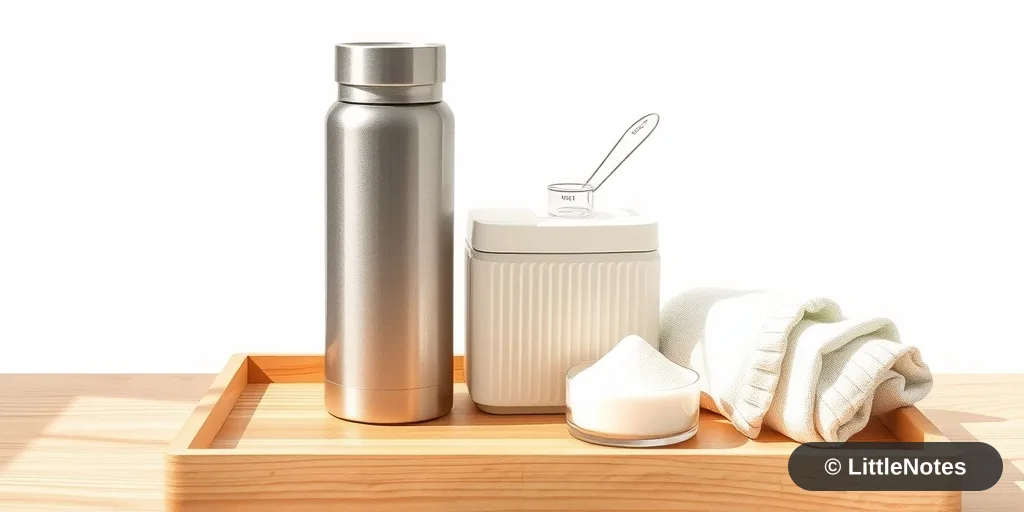
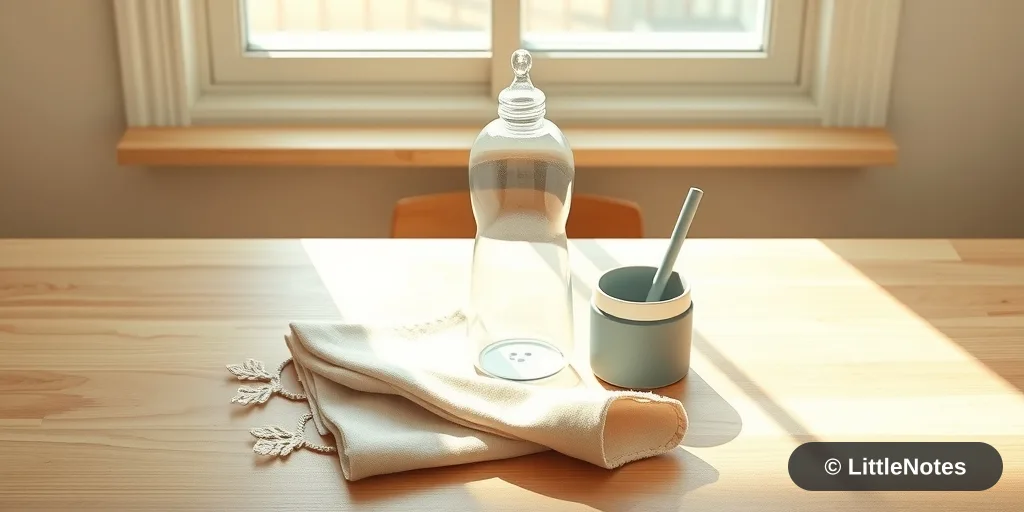
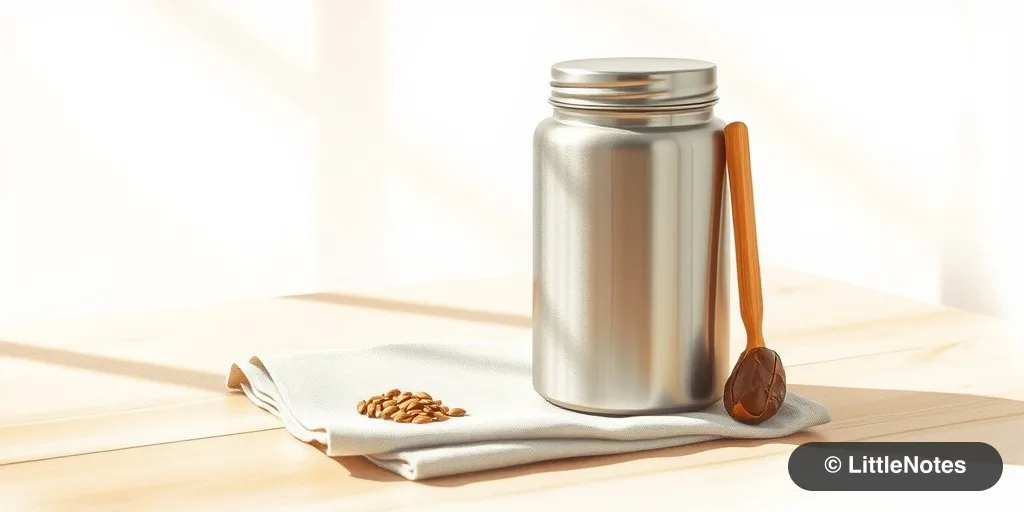
When traveling with a formula-fed infant, store pre-measured dry formula powder in a container and a thermos of warm water separately. Mix them only when it is time to feed to ensure freshness and prevent spoilage in warmer climates.
If you are concerned about your child picking up items that do not belong to them in public spaces, have a neutral third party (like a security guard or staff member) inform the parents privately. This avoids the public shame that can turn a learning moment into a traumatic experience.
MySunar offers traditional ear piercing at home for toddlers. Healing takes about 10 days for older children — keep applying coconut oil and be careful while dressing and undressing.
Ear piercing is a rite of passage in many cultures, and parents often wonder about the best age, method, and aftercare. Here is what the community has learned. Traditional vs. Gun Piercing The traditional needle method, done by experienced practitioners, is widely preferred over piercing guns. MySunar is a frequently recommended service in Bangalore — they s…
For lemon water for kids, skip the sugar — just add a pinch of dates powder and crushed mint or ginger. Adding jeera powder gives it a shikanji flavour toddlers enjoy.
Follow the 'First-In, First-Out' (FIFO) rule: always use your oldest frozen milk first to ensure it doesn't expire. Keep your daily pumped m…
Odomos spray is child-friendly for direct skin application against mosquitoes. Pair it with Baby Sparsh spray on clothes for double protection — the spray on clothes outlasts patches.
Several options work well together. Odomos spray is child-friendly for direct skin application. Baby Sparsh spray works well on clothes and…
Coconut oil applied on the skin works as a natural mosquito repellent for babies. Baby Sparsh spray on clothes is another effective option that avoids direct skin contact.
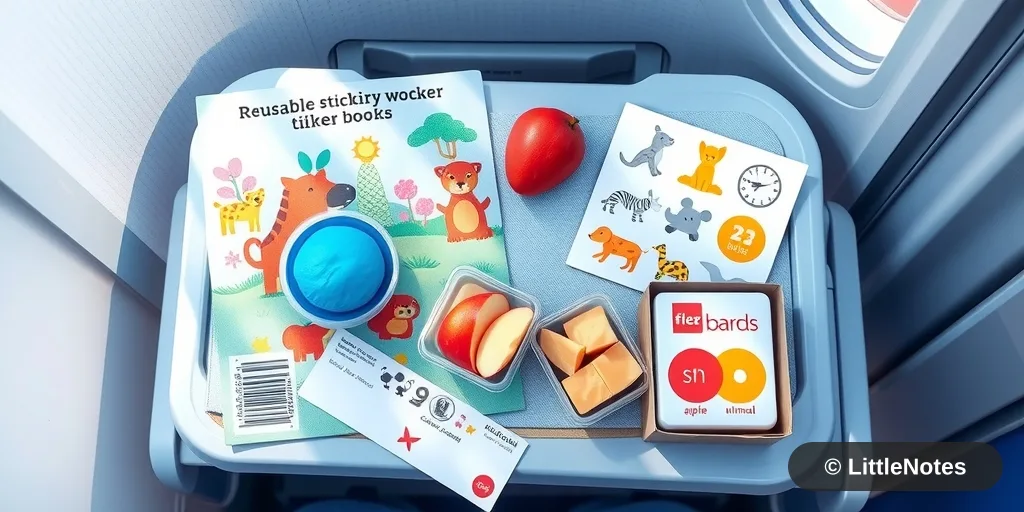
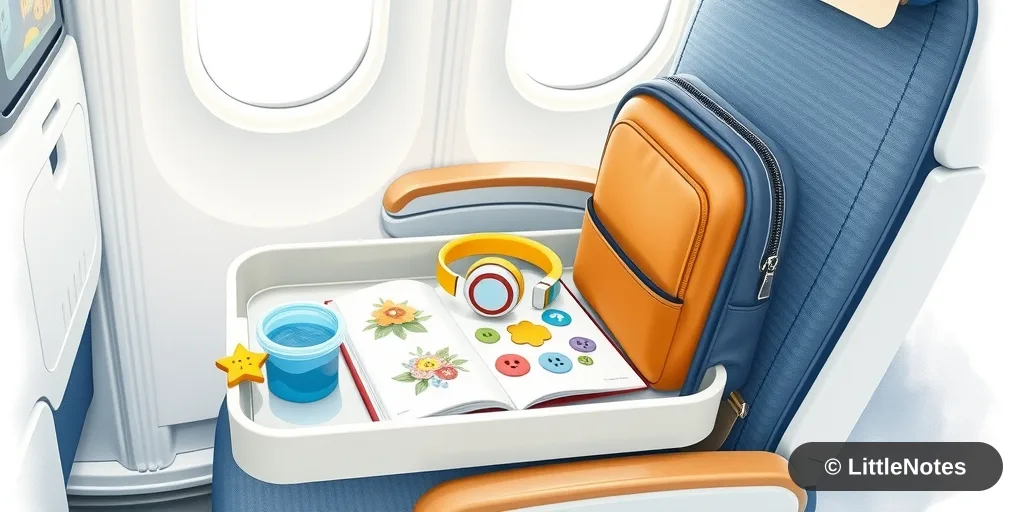
The anxiety before a long flight with a toddler is often worse than the flight itself. Here is what parents have learned from countless trips — some smooth, some chaotic, all survivable. The Screen-Free Approach Many parents successfully fly with toddlers who have never seen a screen. The secret is variety and timing. Pack several small activities and rotate…
Sticker books are the top recommendation — toddlers can spend an hour engaged with them. Busy books, playdough with a couple of moulds, and…
For long flights with screen-free toddlers, try a slideshow of family photos, playdough, sticker books, busy books, and doing rounds in the plane. Most screen-free kids lose interest in screens within 5 minutes anyway.
Introducing a bottle to an exclusively breastfed baby takes patience. Many parents find success by having a caregiver other than the breastf…
Teething can turn a restful night into a challenge, leaving both parent and baby exhausted. When your little one wakes up crying due to oral discomfort, the goal is to provide gentle relief without rushing to medication if it’s not strictly necessary. Soothing Strategies Cold Therapy: Many parents swear by chilled silicone teethers. Keeping a few clean, BPA-…
It is normal for newborns and young infants to drift off during feeds. To gently encourage them to stay alert, try stroking their cheek near…
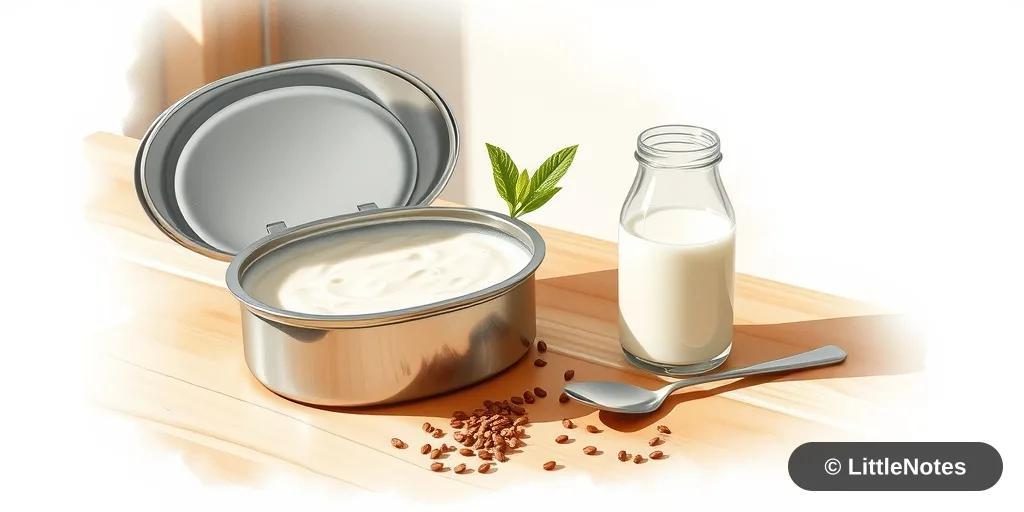
Ragi ganji or porridge is a nutritious and travel-friendly option. Buttermilk works well too. Strawberry milkshakes are loved by kids but ma…
Ragi ganji (porridge) is an excellent tiffin box drink for kids — nutritious, filling, and travels well. Buttermilk is another good option.
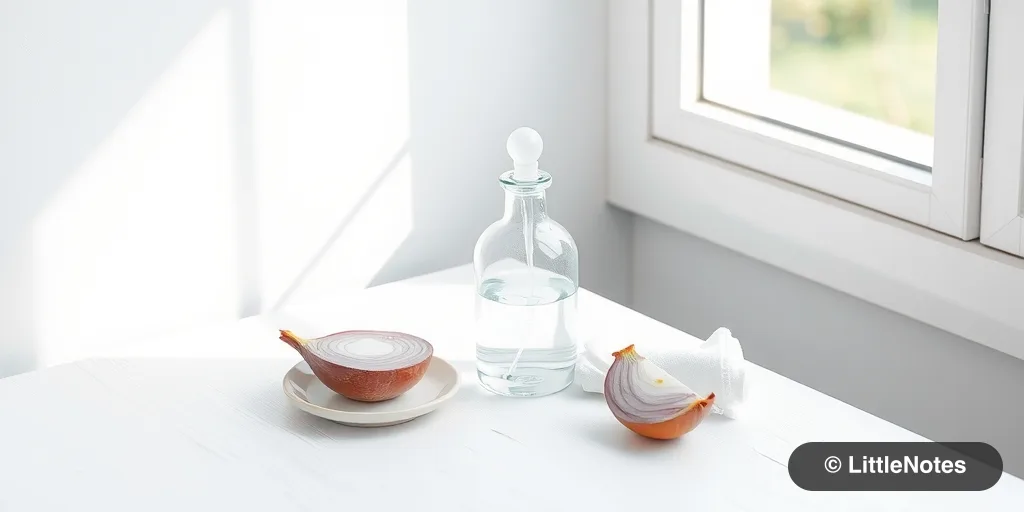
Saline nasal drops are the gold standard for clearing a blocked nose in infants. Avoid using onion slices on the feet as a cough remedy, as this is ineffective for congestion and can cause unnecessary skin heat.