Community-powered wisdom for first-time parents
Tips on feeding, sleep, milestones, and more — shared by parents who've been there.
Browse tips & articles by topic
Ask questions & share experiences
When cooking for babies, use standard pots and pans rather than separate "baby" sets; simply ensure they are clean and give them a hot water rinse before and after use.
Three frequently recommended options are Proactive For Her, Stance Health in HSR, and Dr Anuja who practises at Dr Munireddy's clinic in Kor…
Proactive For Her and Stance Health HSR are recommended for pelvic floor physiotherapy in Bangalore. Starting pelvic floor PT postpartum makes a significant difference in recovery.
JE vaccination is area-dependent. In Bangalore, some pediatricians recommend it due to the city's high population density and internal migra…
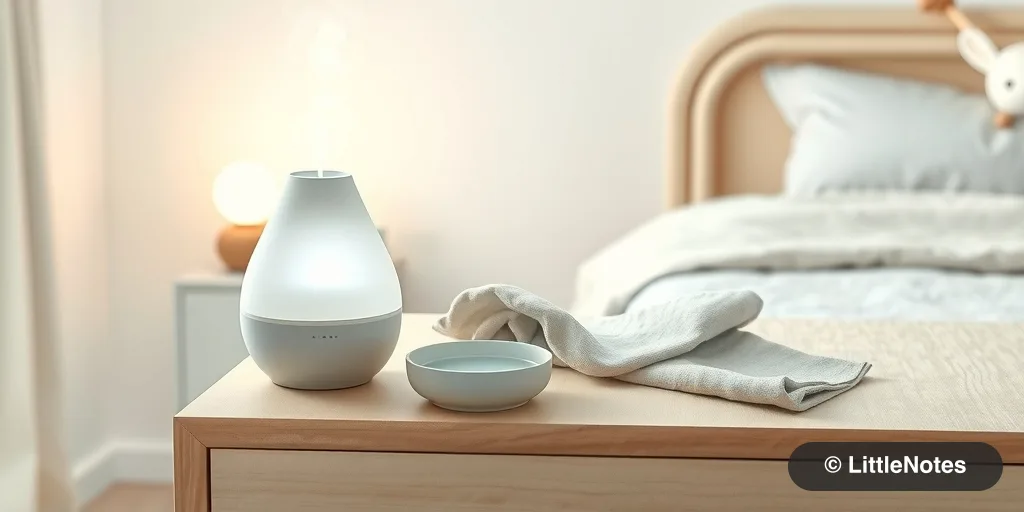
If your baby is coughing at night, using a humidifier in the nursery can provide significant relief, especially in dry weather conditions, by keeping the air moist and soothing their airways.
Nighttime coughing is often exacerbated by dry air, so using a humidifier in the nursery is highly recommended. To help loosen mucus, sit wi…
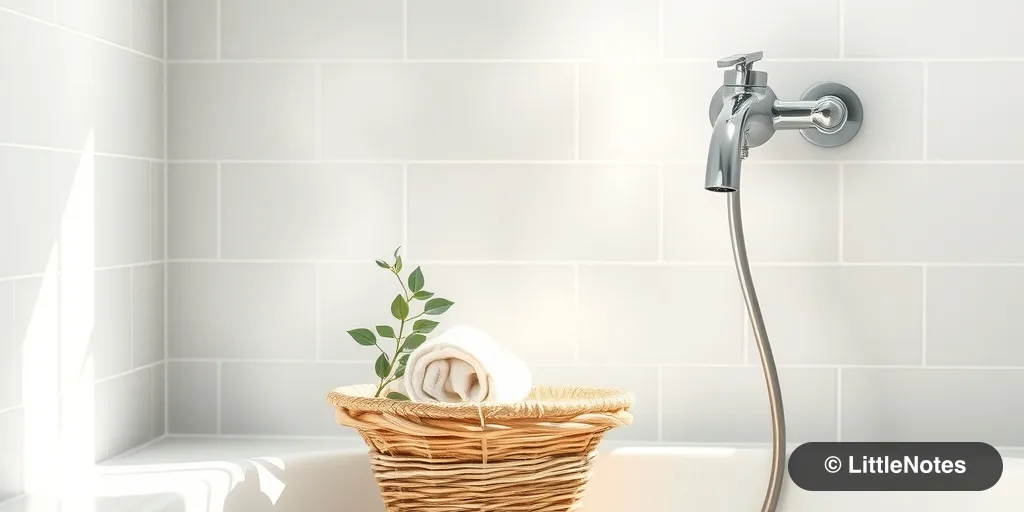
For babies struggling with congestion and phlegm, a simple and effective method is to create a steam room by running a hot shower in a closed bathroom. Sitting in the humid air for a while helps loosen mucus, making it easier for the baby to breathe.
For toddlers who refuse to walk on uneven terrain while traveling, try making the walk into a game like I Spy. A back-carry position in a carrier distributes weight better than front-carry for heavier toddlers.
For postpartum gifts, think beyond baby items: a massage, a pedicure, comfy loungewear, sugar-free energy bars, or a pelvic floor PT consult. New mums need pampering too.
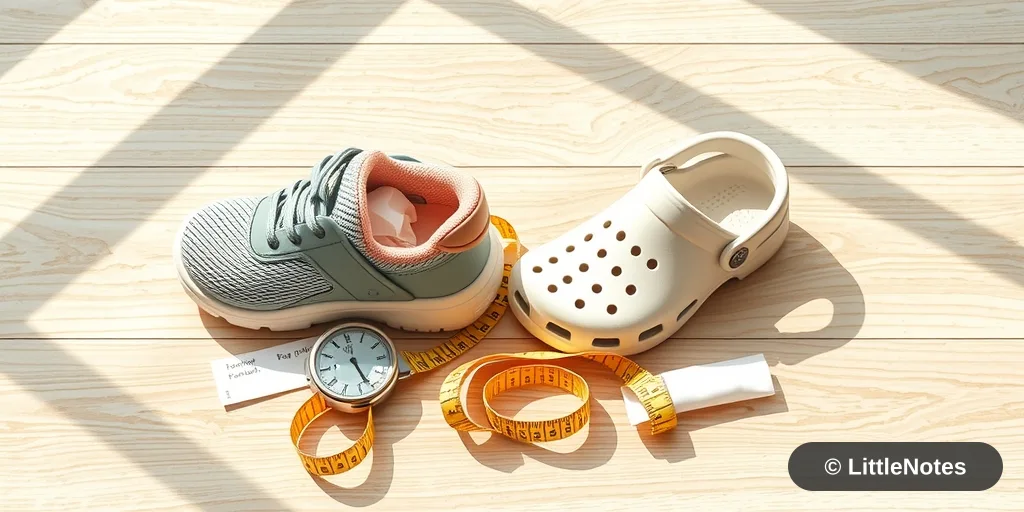
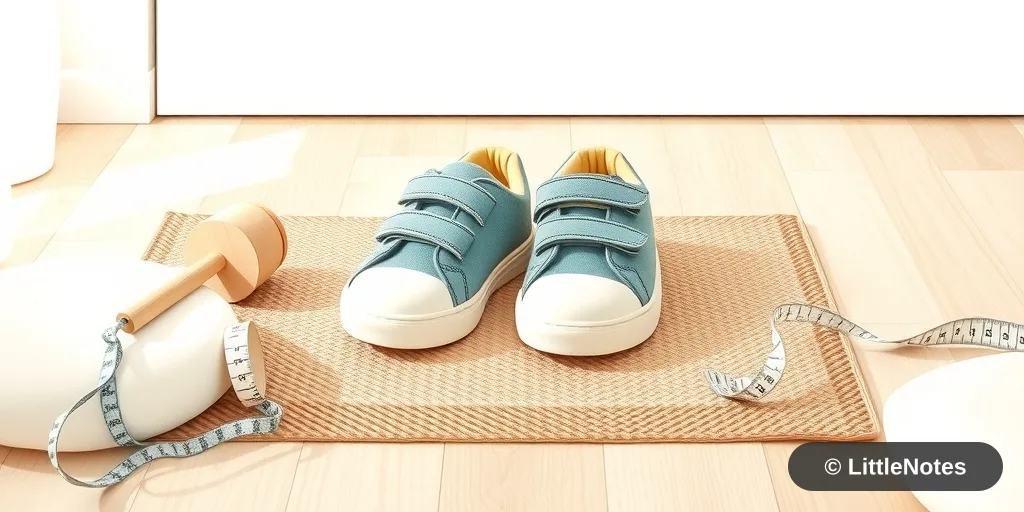
Aretto and Onyc are popular toddler shoe brands for wide feet. For budget-friendly options, Babyoye clogs work well. Always measure feet rather than going by age recommendations.
Aretto and Onyc are frequently recommended brands for wide-footed toddlers. Babyoye clogs are a budget-friendly option that works well. Alwa…
After receiving your infant's passport, you may still get a call from the police station for verification. This is normal procedure — the ba…
After your infant's passport arrives, police verification may still be pending. Go to the station promptly — skipping this step can cause issues at immigration later.
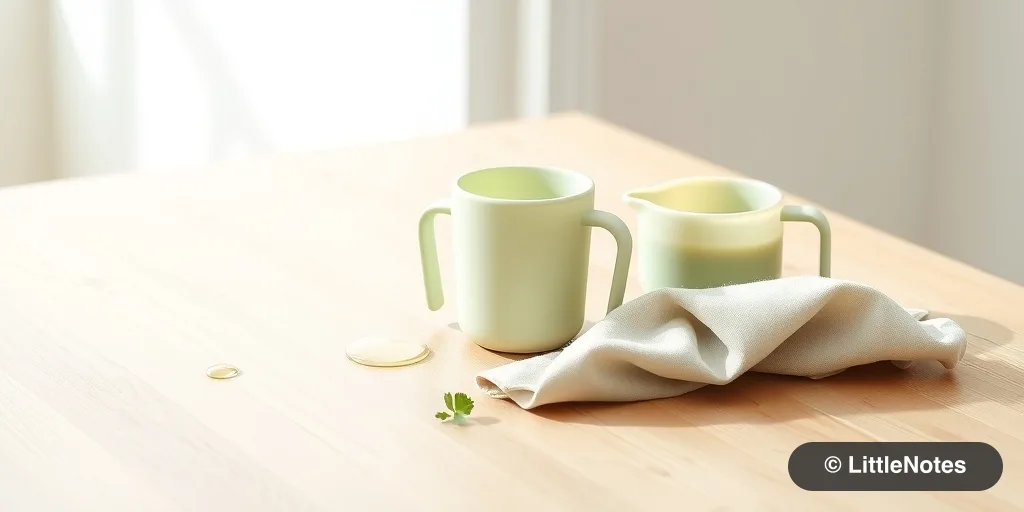
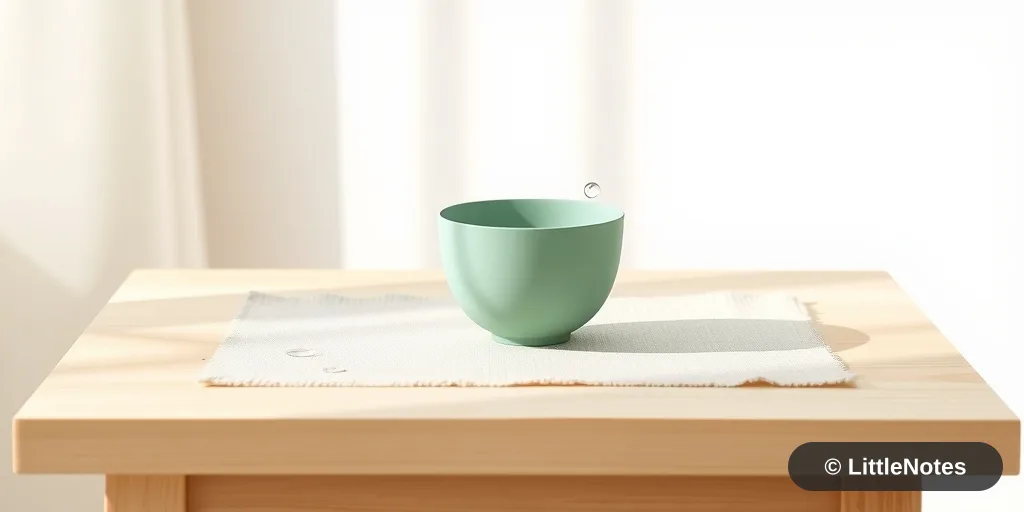
Introducing water is a natural next step once your baby begins solids, but don't be surprised if they aren't immediately enthusiastic. Since breast milk and formula provide most of their hydration, your goal at this stage is simply to build the skill of drinking from something other than a breast or bottle. The Learning Curve Many babies struggle with tradit…
For toddlers transitioning to independent water drinking, start with a silicone open cup rather than a straw or spill-proof cup, as it helps them develop the necessary motor skills for drinking naturally.
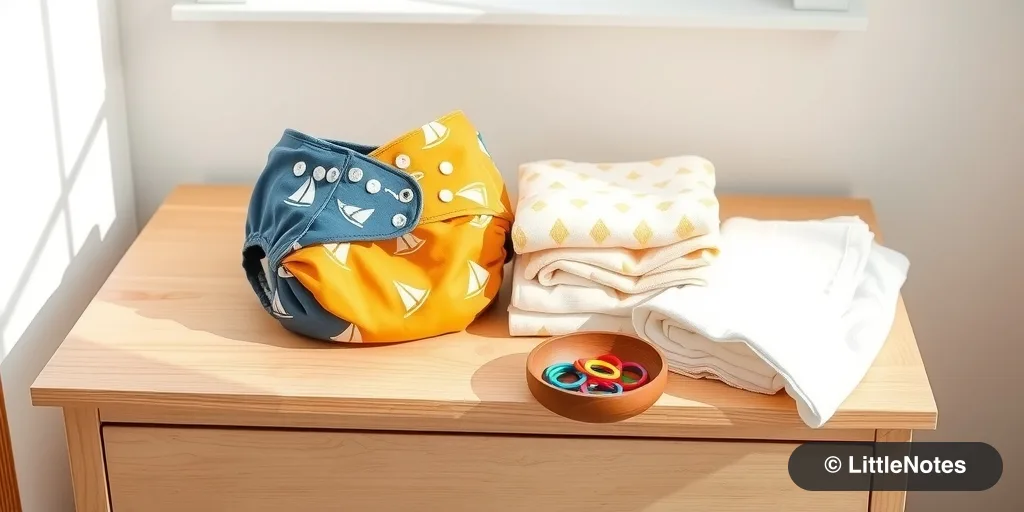
For toddlers resisting diaper changes, offer false choices like picking between two diapers or choosing their own clothes. Framing it as autonomy rather than a task reduces resistance.
There is no strict need to give cow milk at all if your toddler eats a balanced diet. If you choose to offer it, the best time is with a mea…
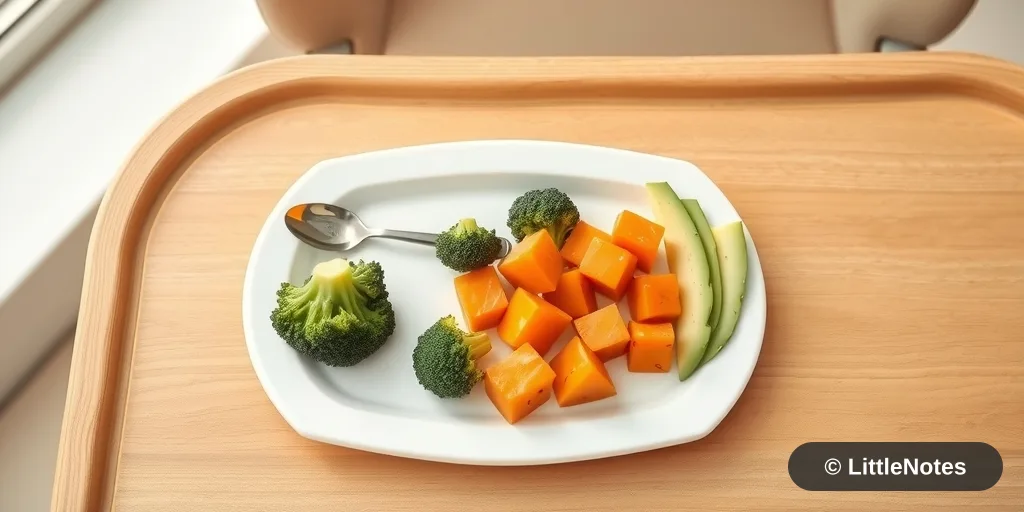
When introducing new, non-allergenic foods, you don't necessarily need to wait days between each; introducing one new food per day or even multiple simple ingredients at once is generally safe if you watch for reactions.
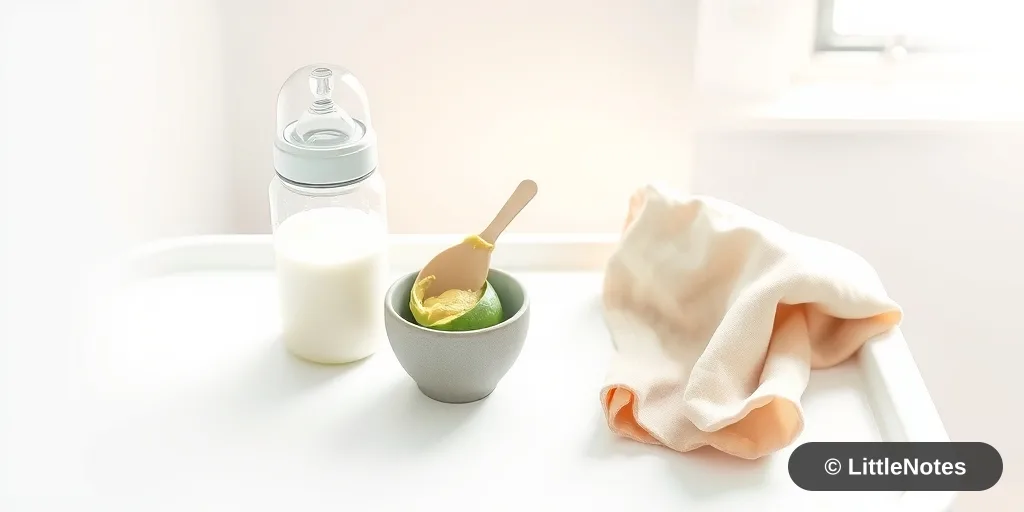
Starting solids at 6 months does not mean you need to immediately switch to a 'Stage 2' formula. Breast milk or formula remains the primary…
Starting solids is a major milestone, but it’s natural to feel overwhelmed by the conflicting advice and your baby's unpredictable reactions. First and foremost, remember that until your baby turns one, breast milk or formula remains their primary source of nutrition. Solids at this stage are primarily for skill-building—learning to swallow, chew, and experi…