Community-powered wisdom for first-time parents
Tips on feeding, sleep, milestones, and more — shared by parents who've been there.
Browse tips & articles by topic
Ask questions & share experiences
To build your child's book collection affordably and sustainably, check out online platforms like Kiddiwinks.in that offer a wide selection of pre-loved books in great condition.
If your baby experiences digestive discomfort after a formula change, temporarily discontinue the new stage and revert to the previous one for a few weeks. Gradually mix in the new formula feeds over time to allow their system to adjust.
As your little one grows, so do their nutritional needs. This often means transitioning from one stage of infant formula to the next. For first-time parents, this can bring up questions and sometimes, a bit of anxiety. What's the right time? How do you do it smoothly? And what if your baby doesn't take to it right away? Infant formula is typically categorize…
If your baby experiences digestive upset after introducing a new solid food, consider pausing it for a couple of months and reintroducing it later. In the meantime, focus on easily digestible meals like light khichdi and ensure they stay well-hydrated.
If your toddler is more captivated by stories than by pictures in books, try the Gajapati Kulapati series. These books are often excellent for engaging young listeners with their fun narratives.
It is recommended to introduce Stage 2 formula gradually rather than switching all feeds at once. Start by replacing only a few feeds with t…
When your little one reaches the age milestone for transitioning to a new stage of formula, it’s natural to assume it's time for an immediate, full-scale switch. However, many parents find that jumping straight into the next stage can occasionally cause minor digestive hiccups as your baby’s tummy adjusts to the slightly different composition. The 'Slow and …
For toddlers who are developing a strong interest in narrative rather than just looking at illustrations, the 'Gajapati Kulapati' series com…
Does your little one seem to lose interest in 'board books' that are heavy on illustrations and light on words? While most infant and toddler books focus on big, bright images, some children are naturally more engaged by the rhythm, melody, and complexity of a good story. If your child is constantly looking for more substance during read-aloud time, it might…
When starting potty training, use training pants or regular underwear to help the child feel wetness, which is essential for them to make the connection between the urge and the need to go. Use diapers only during naps or travel to maintain consistency.
For early potty training, start by familiarizing the child with the bathroom environment. Change their diaper in the bathroom, let them hear the flush, and encourage hand washing to build positive associations before active training begins.
Potty training is a gradual process that relies on patience and consistency rather than pressure. Start by introducing the potty seat, readi…
For postpartum dry skin, try applying almond oil on wet skin immediately after showering, rinsing it off, and then patting dry to lock in moisture.
If you are suffering from postpartum leg or foot fatigue, try elevating your legs on a pillow for short periods throughout the day and using a gentle bedtime massage on the back of your legs to improve circulation.
For parents leaving a 6-7 month old with grandparents, try 2-3 'test nights' beforehand to help the baby and grandparents adjust to each other's routines while you are still nearby.
If your baby is fussy during feedings due to distractions, try feeding them while they are drowsy, using a 'dream feed,' or dimming the lights in a dedicated, quiet spot to help them focus.
The early months of breastfeeding are a steep learning curve. From navigating growth spurts to managing the physical discomforts of nursing, it’s a full-time job that requires patience and a bit of trial and error. If you’re feeling overwhelmed, know that you aren't alone—many parents face these exact hurdles. Managing Common Breast Discomfort It’s common to…
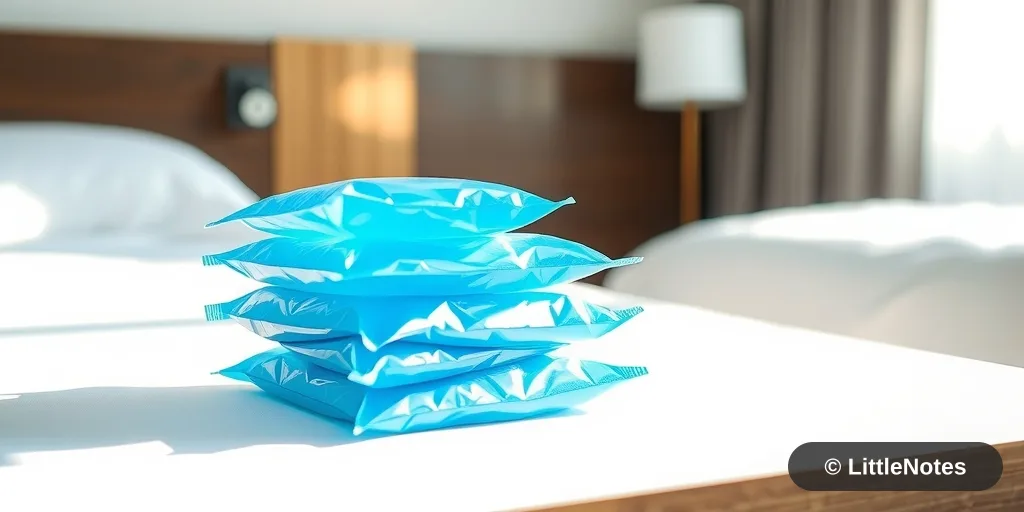
If you need to store expressed milk while traveling, ask your hotel to wrap your cold packs in cling film and store them in their freezer until your departure to ensure they stay frozen.
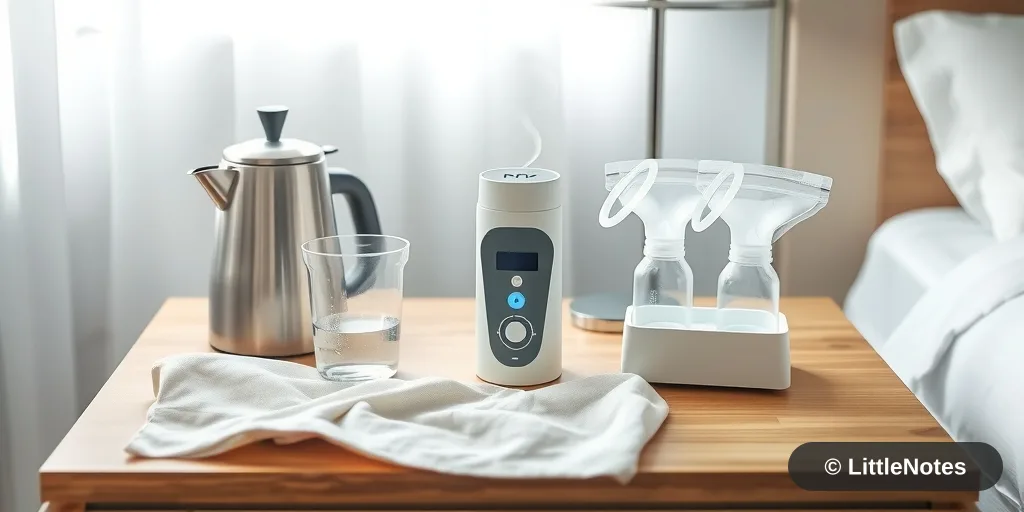
When traveling with a breast pump, you can use sterilization bags by adding boiling water from a kettle and locking the bags with your pump parts inside for a quick, effective clean without a microwave.
It is very common for babies between 8–10 months to go through a phase of refusing savory solids while still accepting fruits. This can be d…