Community-powered wisdom for first-time parents
Tips on feeding, sleep, milestones, and more — shared by parents who've been there.
Browse tips & articles by topic
Ask questions & share experiences
It is generally recommended to skip 'daal ka pani' because it provides very little nutritional value for your baby. Instead, you can introdu…
Avoid giving "dal water" as a primary meal, as it lacks significant nutritional value. Instead, offer well-cooked, mashed dal mixed with rice and ghee to provide a more nutrient-dense first meal.
When introducing new allergens like nuts or eggs, test each one individually and monitor for reactions. The Solid Starts app is a highly recommended free resource for guidance on how to safely introduce specific ingredients.
When a baby is gassy, incorporate daily exercises like gentle bicycle legs and presses. Applying an asafoetida (hing) roll-on or paste around the belly button twice daily can also help release trapped gas.
Gas is common in newborns due to a maturing digestive system. Help relieve discomfort by burping frequently (even mid-feed), engaging in 'bi…
For parents managing the demands of an infant alongside a toddler or a return to work, hands-free wearable pumps offer a valuable sense of freedom. When selecting a wearable pump, look for options that balance suction strength with portability. Many parents have found success with brands like Momcozy, which offer various models that allow for movement around…
To help a toddler who wants to run during meals, establish a firm rule: they can eat in a booster seat, on a study desk, or even on your lap, but food is only provided if they are sitting down.
It is common for active toddlers to resist being restrained during meals. One effective approach is to implement a firm boundary: food is on…
To maximize breast milk output while pumping, try to pump for 20 minutes simultaneously on both breasts. If you are short on time, even a 10-minute session can be effective as long as you remain consistent.
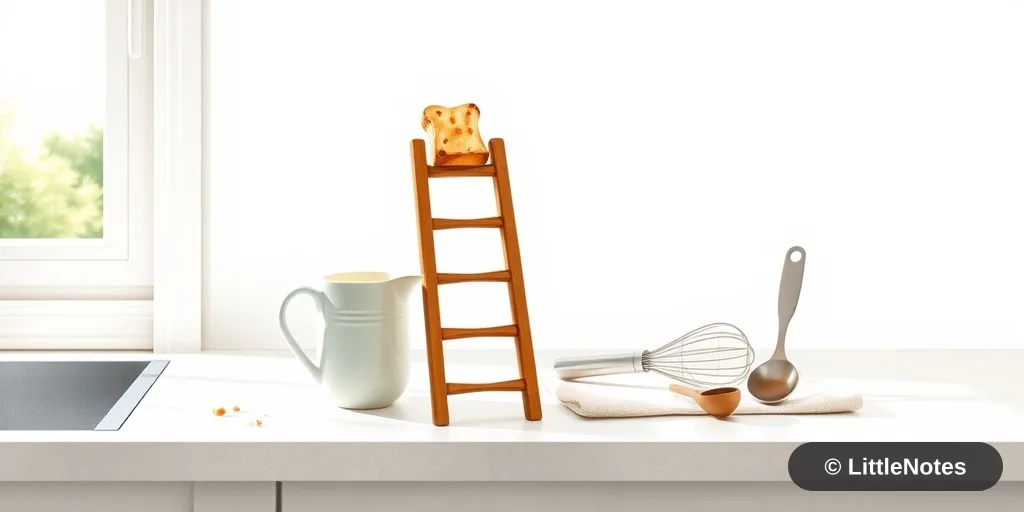
For parents managing a CMPA diagnosis, the goal of eventual reintroduction can feel both exciting and daunting. The 'milk ladder' is a systematic approach used to gradually introduce milk protein in increasingly processed forms. The philosophy behind the ladder is that when milk is baked at high temperatures for longer periods (such as in a cupcake or a bisc…
The milk ladder is a structured reintroduction guide used to build tolerance to milk proteins. It typically begins with small amounts of hig…
Star charts, sticker rewards, treat incentives — the debate around reward systems for toddlers is one that divides parents. Some swear by them; others worry they are creating little mercenaries who only perform for prizes. The truth, as with most parenting decisions, lies somewhere in the middle. The Case Against The primary concern with reward systems is we…
While traditional advice focused on heat and massage, newer breastfeeding guidelines suggest that a clog is often an inflammatory response;…
Sharp, shooting, or burning breast pain during feeding could be a sign of vasospasm or thrush. If you experience these symptoms, consult your doctor and look for additional indicators like persistent white patches in the baby's mouth.
Current breastfeeding guidelines suggest using cold compresses or cold cabbage leaves for clogged ducts rather than heat, as inflammation is the primary issue and heat can sometimes worsen it.
CMPA is often diagnosed clinically through the observation of specific symptoms—most notably blood in the stool, eczema, and digestive distr…
For blood tests on toddlers, go to a children's hospital rather than a regular lab. Their staff is trained for small veins, and if the nursing team struggles, a paediatrician or ICU team member can step in.
For nighttime cough that only appears while sleeping, try an elevated pillow, a humidifier in the room, and an extra layer of clothing. This combination has helped many parents through dry weather spells.
Many babies develop a favorite side, which can be challenging for both supply and comfort. Try starting every nursing session on the less-pr…
This is common and can be caused by dry air, weather changes, post-nasal drip, or acid reflux. An elevated pillow, a humidifier running thro…