Community-powered wisdom for first-time parents
Tips on feeding, sleep, milestones, and more — shared by parents who've been there.
Browse tips & articles by topic
Ask questions & share experiences
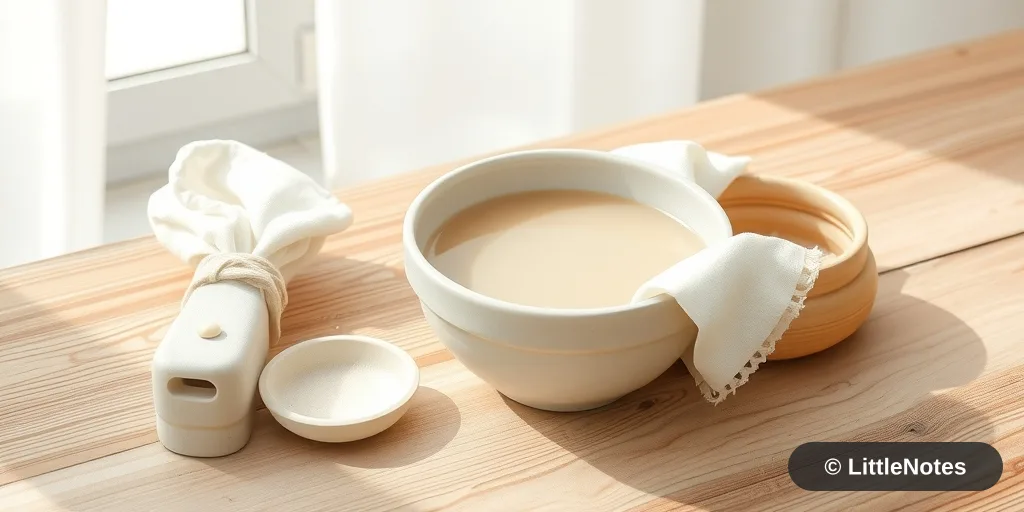
To make fermented porridge (kanji) for babies, cook rice until very mushy, cover loosely, and let it ferment at room temperature for 6–8 hours. Strain and serve only the liquid.
Sudden, unexplained crying in a 1-year-old can be a developmental phase as they begin to express big emotions or frustration. If your child…
For toddlers, look for activities like parent-toddler music programs, swim classes, or gymnastics that emphasize play and gross motor develo…
For toddlers going through a growth slowdown (typically between 1-2 years), do not force meals. Keep offering consistent meal or snack options every two hours and trust their appetite regulation.
Yes, it is very common for toddlers between 1-2 years to experience a drop in appetite as their growth rate slows down. They may become sele…
If your baby has an allergic flare-up, prioritize hydration and monitor them closely. During illness or digestive distress, stick to bland,…
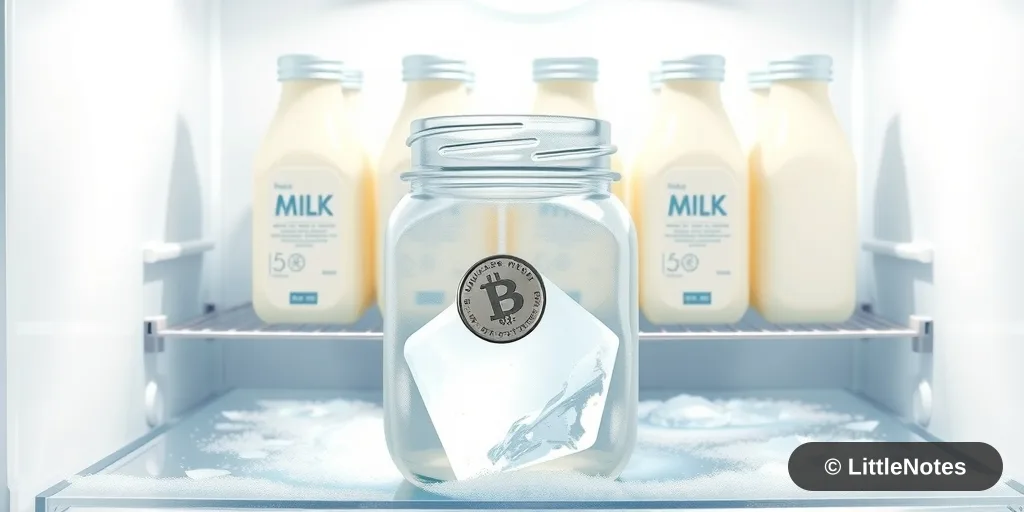
To keep track of your frozen breast milk during power outages, freeze a glass of water and place a coin on top. If the coin has sunk into the water, it indicates the freezer temperature rose high enough to thaw the milk, meaning it is no longer safe to refreeze.
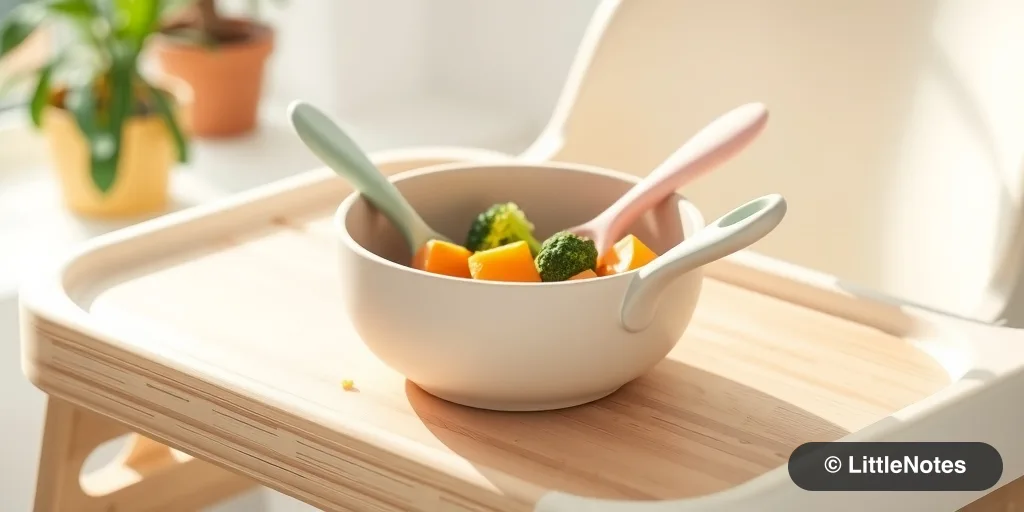
Watching your toddler show interest in self-feeding is a major milestone. When they start reaching for your spoon, it’s the perfect time to introduce their own. When choosing a set, look for ergonomic designs—shorter, thicker handles are much easier for little hands to grip than standard long-handled spoons. Silicone sets are often a favorite because they ar…
It is common to feel ravenous while nursing or pumping, often leading to reaching for quick, processed snacks. To keep your energy stable, o…
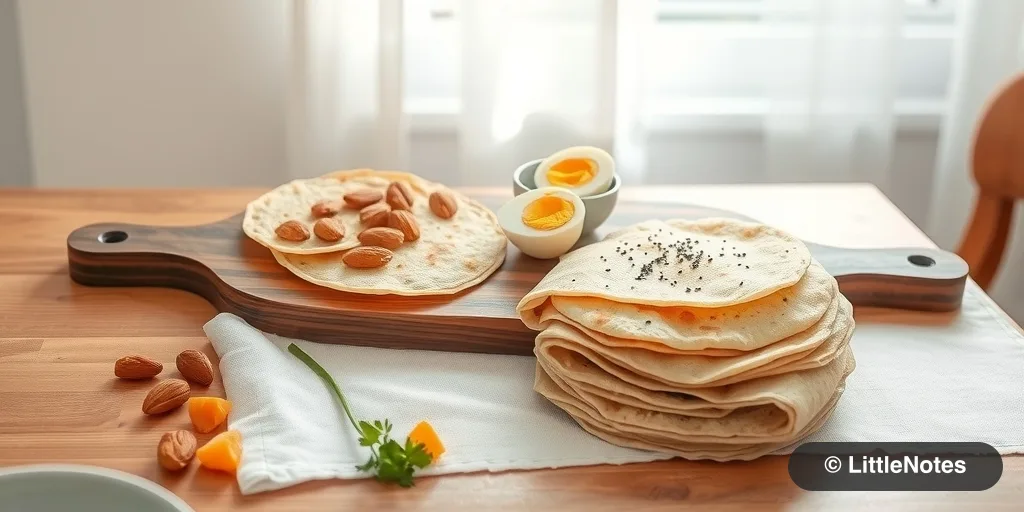
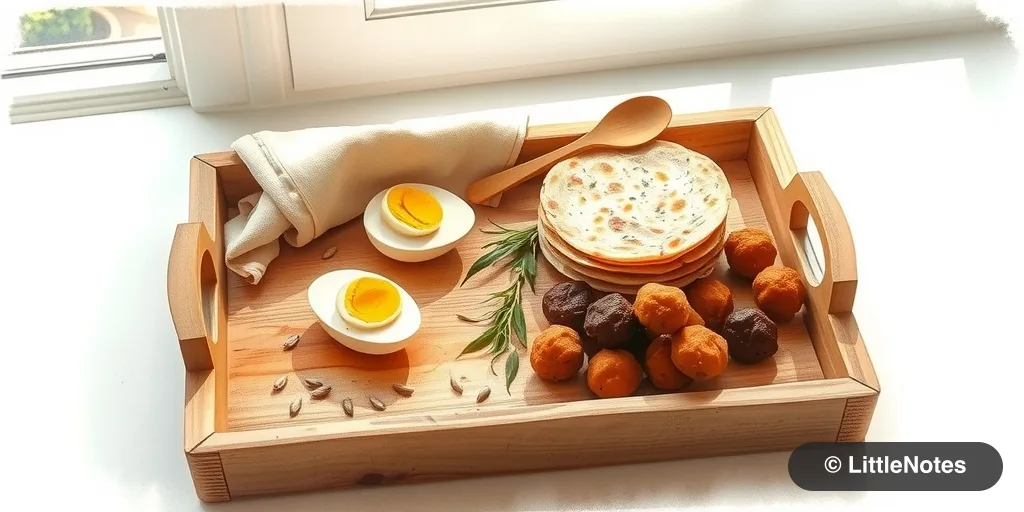
For healthy snacking while breastfeeding, keep boiled eggs, dry fruit ladoos, or mini methi/palak theplas (Indian flatbreads) easily accessible to avoid reaching for junk food when you're hungry.
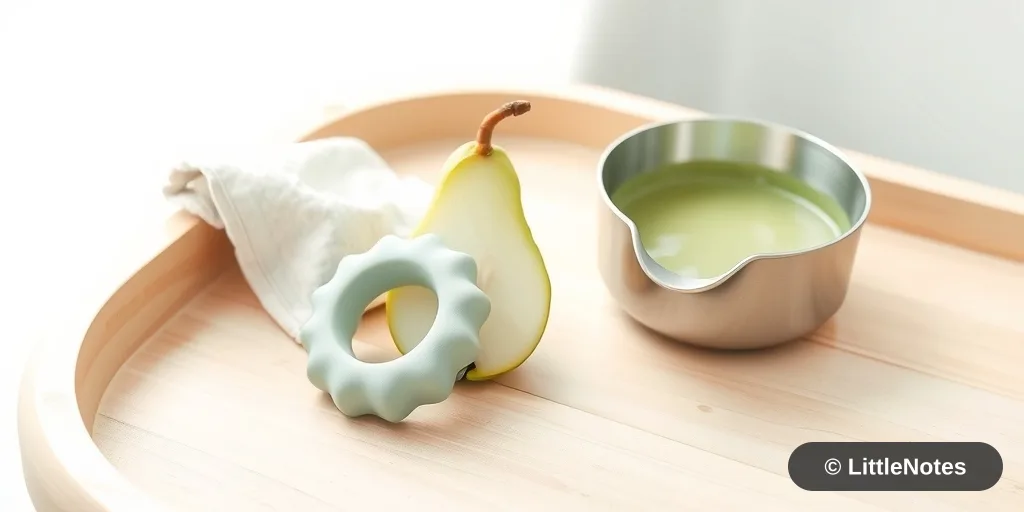
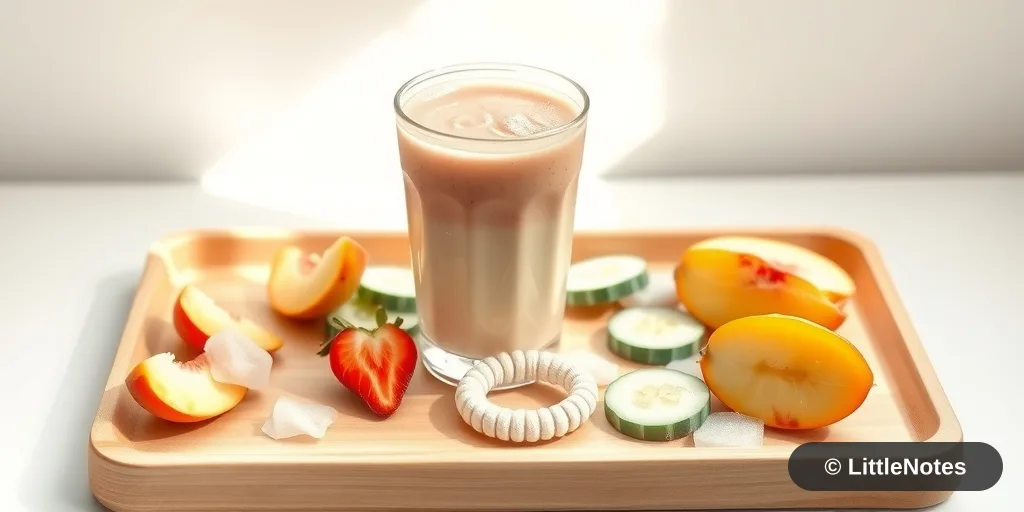
If your baby has suddenly started rejecting food, you are not alone. It is a common frustration, especially during teething or minor illnesses. When a baby’s gums are sore, the pressure of chewing can be uncomfortable, leading them to prefer liquids or soft, cool foods. During these phases, prioritize comfort. Cool foods like yogurt, smoothies, or fruit mash…
To make thick and creamy curd, use full-cream milk and ensure it is warmer than lukewarm when adding the starter culture. After adding the c…
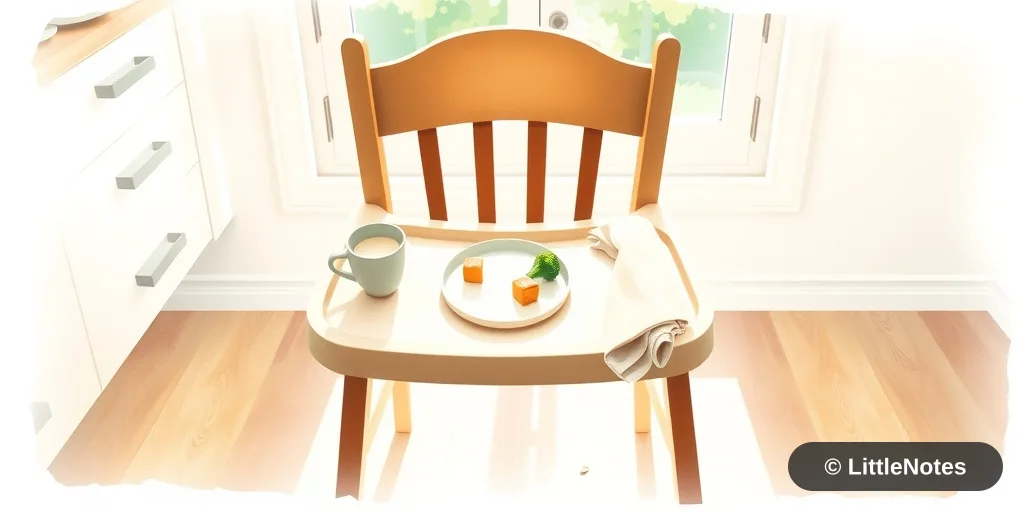
When a toddler is teething and rejecting food, offer cold foods like smoothies or soups to soothe their sensitive gums. It is normal for them to temporarily favor breastmilk or formula.
To set thick, creamy homemade curd, place the container in a hot box (insulated food warmer) and seal it tightly overnight. Using full-cream milk also helps improve consistency.
To build core strength safely after a C-section, prioritize core rehabilitation exercises before jumping into HIIT or heavy weight training. Always verify your Diastasis Recti (DR) gap with a postnatal coach before increasing intensity.
Rebuilding your physical strength after childbirth is a personal journey that should be approached with patience and professional guidance. Whether you had a vaginal delivery or a C-section, the focus in the early months should be on reconnecting with your body rather than rushing to lose the 'mummy pooch.' Starting Safely: Always get clearance from your doc…
Safety is the priority after a C-section. Begin only after your doctor provides clearance, typically starting around 6-12 weeks postpartum.…
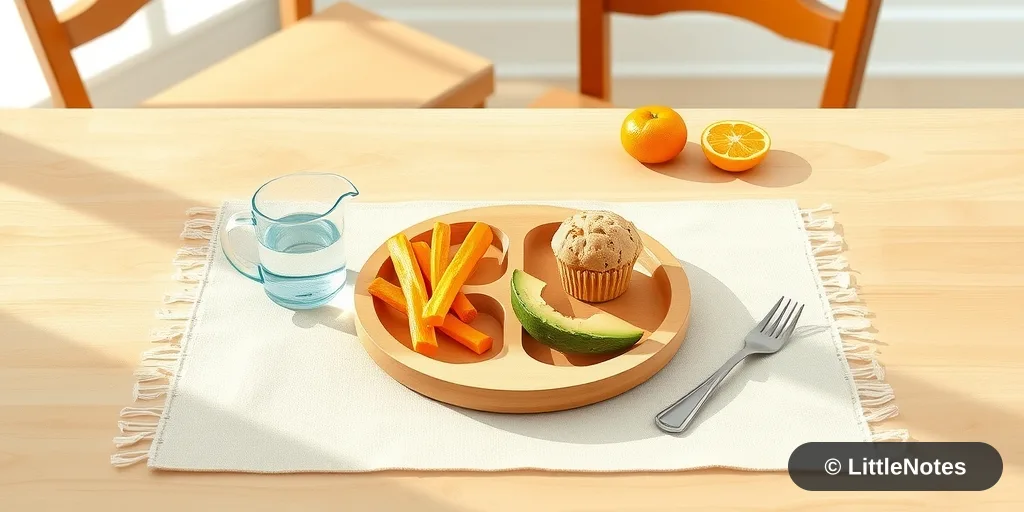
To help toddlers accept new textures, offer grated or mashed food rather than purees. This early exposure helps them become less picky eaters as they transition to table foods.
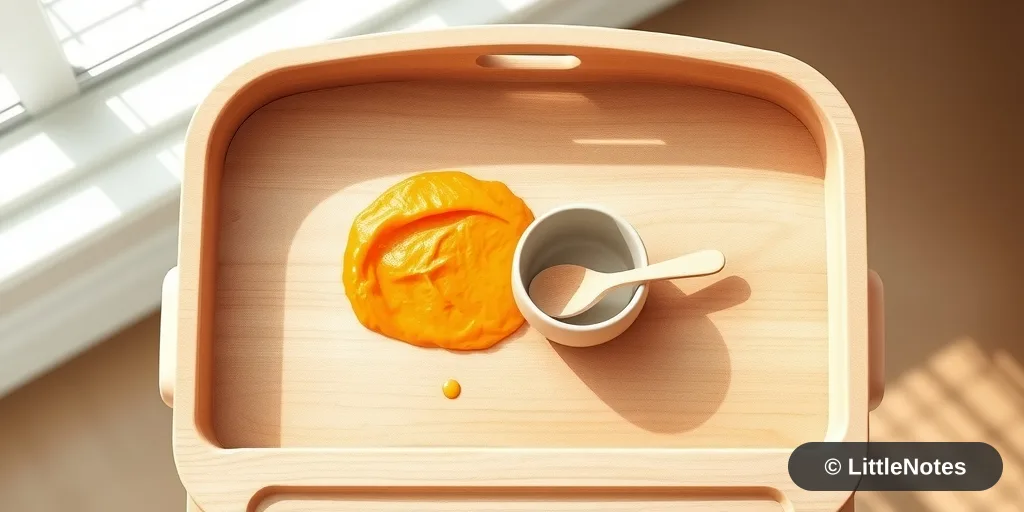
Starting solids is an exciting milestone, but it’s completely normal if your baby doesn’t dive in with enthusiasm right away. If your little one is only taking a teaspoon or less of their first meals, don’t stress—this is standard behavior. When babies first transition from breast milk or formula, they are still learning how to move food around in their mout…
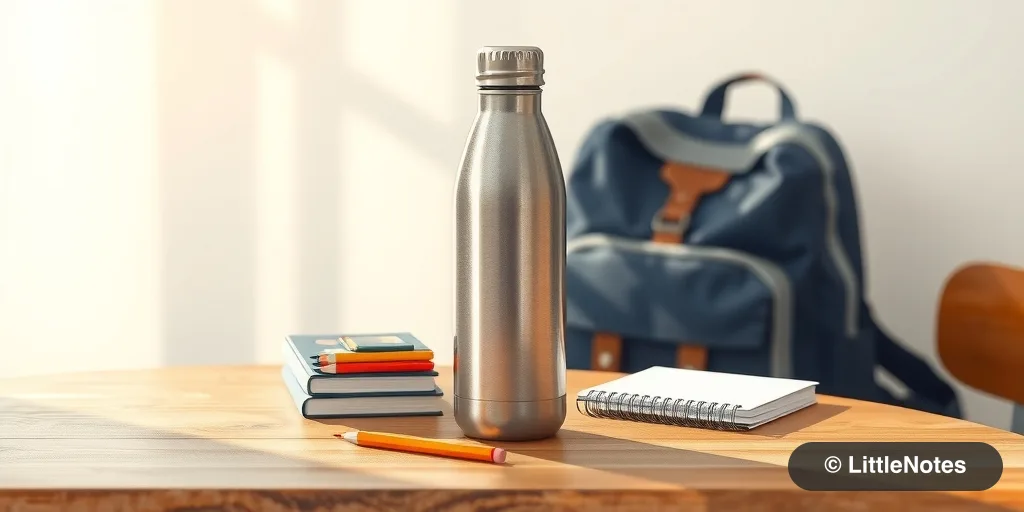
For toddlers transitioning to school, look for durable stainless steel water bottles as a leak-proof alternative to plastic options. Brands like Cello offer steel kids' bottles that are generally reliable for daily school use.