Community-powered wisdom for first-time parents
Tips on feeding, sleep, milestones, and more — shared by parents who've been there.
Browse tips & articles by topic
Ask questions & share experiences
Many parents experience hand and finger stiffness, pain, or discomfort in the months following childbirth. Often referred to as 'mommy's wrist' (De Quervain's tenosynovitis), this can be caused by the repetitive physical demands of lifting, carrying, and nursing your baby. Practical Tips for Relief: Adjust Your Mechanics: When lifting your baby, try to use y…
To prevent 'mommy's wrist' or finger pain, wear a thumb spica splint, ice the area 3-5 times a day, and lift your baby sideways using your entire palm rather than just your finger joints.
The milk ladder is a structured approach to reintroducing dairy, starting with small, baked quantities and gradually increasing as tolerated…
When your baby shows signs of a mild cold or nasal congestion, you can use a clean, warm cloth pouch containing slightly warmed ajwain (carom seeds) placed near their sleep area. The mild scent can help soothe the airways and ease breathing.
If you experience migraine-like headaches around your cycle, try dipping your feet in very hot water or applying an ice pack to the 'feng fu' point at the base of the skull for immediate relief.
Severe headaches during the postpartum period can be influenced by hormone shifts, fatigue, or dehydration. Immediate relief strategies incl…
If you are concerned about your baby's passport application, keep in mind that a spouse's name endorsed on at least one parent's passport is often the most important document for simplifying the process. If you do not have an endorsed passport or a marriage certificate, you may be required to provide additional documentation like an Aadhaar card.
Nursing pillows like those from Kradyl Kroft or My Brest Friend are excellent for positioning your baby at the correct height during feeds, which can help prevent back pain and improve the latch. They are also useful later for supported sitting and tummy time.
When introducing new foods, avoid forcing them if the baby shows disinterest. Offer the same food in different forms—such as steamed, mashed, or mixed into familiar items like pancakes—to encourage acceptance over time.
It is very normal for babies to reject new foods when first starting solids. A baby may need 5 to 10 exposures (or even more) to a new food…
Pediatric nutrition experts generally advise against moving to six meals a day at 7 months. Breast milk or formula remains the primary sourc…
When you begin the journey of introducing solids, it’s easy to feel overwhelmed by conflicting advice. While some sources may suggest aggressive meal schedules, the general consensus among experienced parents is that slow and steady wins the race. The Golden Rule: Quality Over Quantity In the early months (6–8 months), breast milk or formula remains the prim…
Some infants, especially those with CMPA, may experience temporary digestive sensitivities or blood in their stool following routine vaccina…
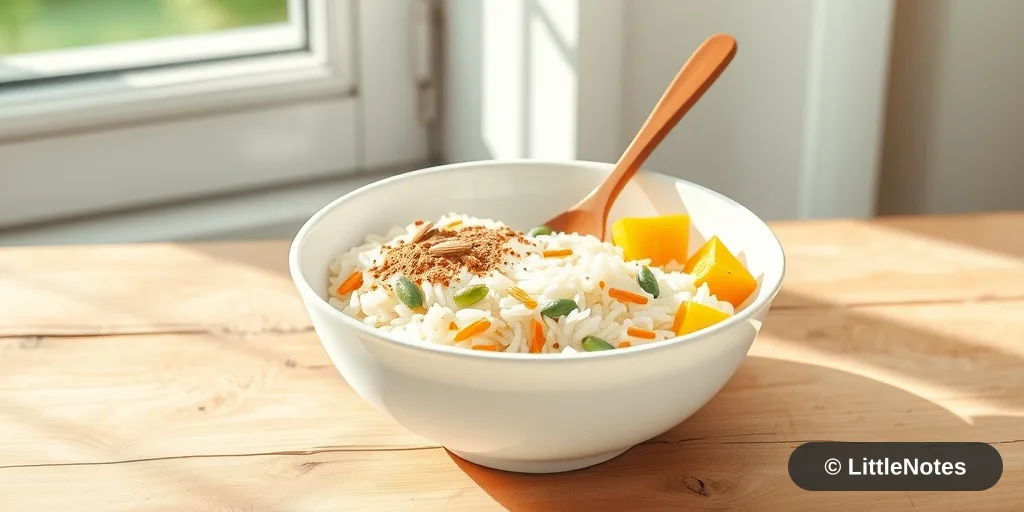
For 19-month-olds refusing dinner, make curd rice more nutrient-dense by blending in finely grated vegetables like carrots, beans, or pumpkin during the cooking process. You can also mix in nut powder or small pieces of onion and soft fruit to enhance the profile.
Most pediatricians recommend avoiding movie theaters with infants and toddlers until they reach age two. The environment can be overstimulat…
When traveling with an EBF baby, start with short, nearby outings to build your confidence and help the baby adjust. Use a high-quality opaque stole or nursing cover for privacy, or practice feeding in a parked car if you feel uncomfortable doing so in public settings.
For many first-time parents, the idea of breastfeeding away from the comfort of home can feel daunting. It is completely normal to feel a mix of hesitation and social anxiety during those first few outings. However, with a few adjustments, public feeding can become a manageable, and even empowering, part of your parenting journey. Start Small There is no pre…
It is common for infants with sensitive skin to develop small bumps after exposure to the sun, often due to their developing sweat glands. T…
At 9 months, babies have specific needs for safety and engagement. Facilities like KLAY or Inbloom are often cited as suitable options for t…
For nursing mothers dealing with painful breast clots, sunflower lecithin is a widely recommended OTC supplement that can help keep milk flowing smoothly. Always consult your lactation consultant regarding dosage and frequency.