Community-powered wisdom for first-time parents
Tips on feeding, sleep, milestones, and more — shared by parents who've been there.
Browse tips & articles by topic
Ask questions & share experiences
At 4.5 months, babies are increasingly curious and benefit from simple, sensory-rich activities. Engage them with peek-a-boo, rolling practi…
When evaluating early years centers, pay close attention to the child-teacher ratio; a lower ratio is essential for proper supervision of to…
To handle a painful breast blister, try warm baths, using a warm towel, soaking the nipple in an Epsom salt solution, and taking sunflower lecithin supplements while continuing to breastfeed.
No, goat milk is generally not recommended as an alternative for babies with a cow milk protein allergy (CMPA), as they often react to it in…
Maintaining your own health and energy levels is just as important as caring for your baby. As a breastfeeding parent, it is natural to have questions about what you can safely consume to stay fueled. The Caffeine Question Many parents find that a cup of coffee or tea is a necessary part of their routine. Generally, moderate caffeine consumption (1-2 cups of…
For persistent dry coughs, natural remedies can often provide relief alongside medical guidance. Parents recommend a mixture of mildly heate…
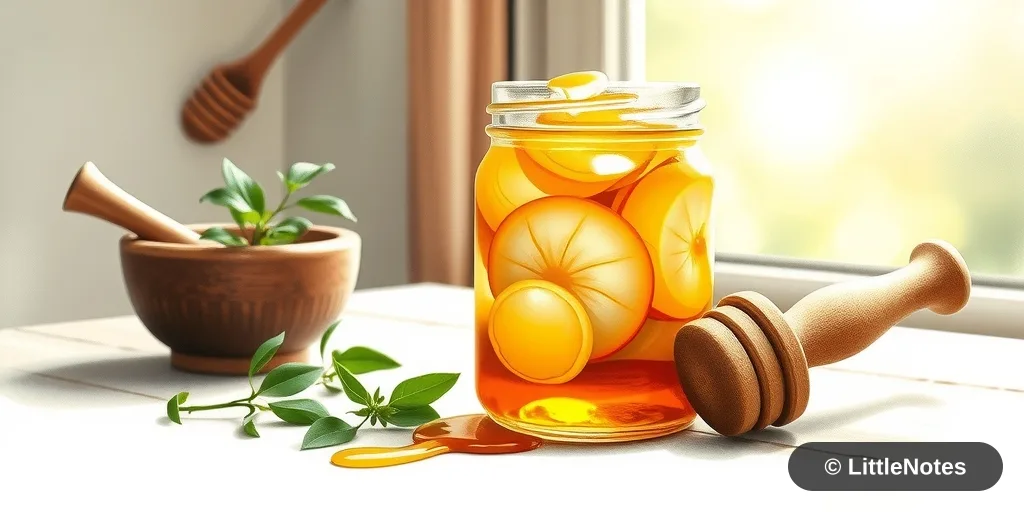
For a natural, toddler-friendly dry cough remedy, layer thinly sliced onions and honey in a jar. Let it sit for 3-4 hours to form a syrup, and give 1-2 spoonfuls 2-3 times a day; keep this mixture for no more than 4 days.
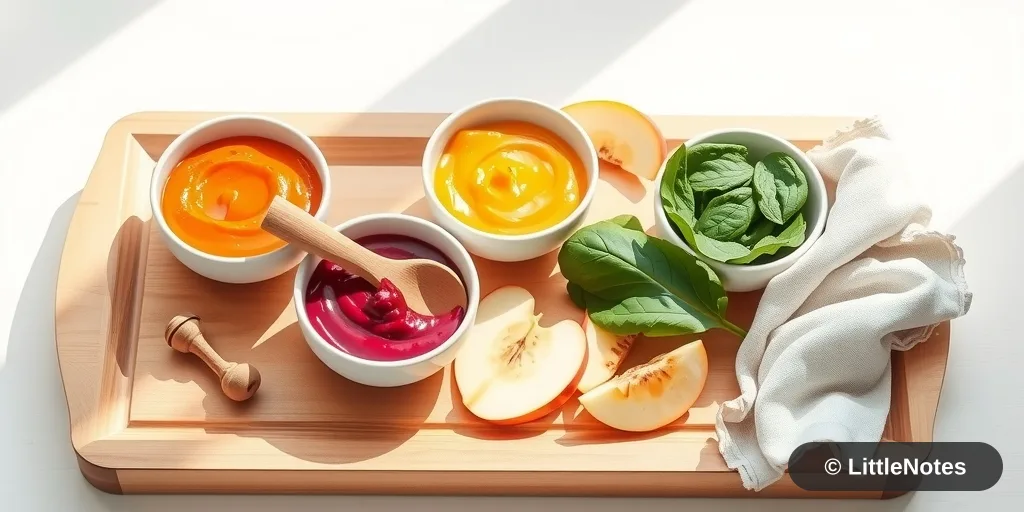
For 6-9 month olds, focus on fruits and vegetables like pumpkin, sweet potato, beetroot, apple, banana, pear, papaya, and spinach. Always introduce one new ingredient at a time to monitor for any reactions.
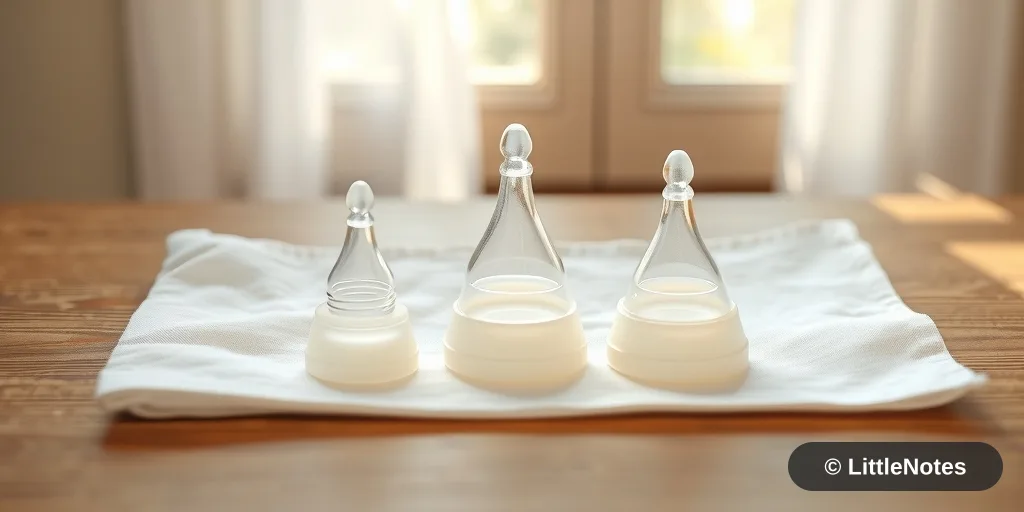
When selecting a bottle nipple flow, use the age-appropriate chart as a guide but monitor your baby's comfort. If the baby is choking or milk is spilling, switch to a smaller size; if they become frustrated and suck harder, move up to the next flow level.
To transition away from bottle feeding at 12 months, start introducing an open cup well in advance. If you choose to continue night bottle feeds, ensure you wipe the baby’s teeth or gums with a clean, wet cloth afterward to prevent the risk of cavities.
Mucus in the stool can sometimes occur during teething or as a result of a stomach bug. However, if the mucus is persistent, excessive, acco…
For babies 4 months and older, avoid using strong chemical mosquito repellents. Natural alternatives like citronella-based patches attached to the baby's clothing (on the back, away from the mouth) are a safer way to protect them from bites.
It is quite common for babies to reject plain curd initially. To make it more palatable, try mixing it into other foods like parathas or por…
For moms experiencing frequent clogged ducts, sunflower lecithin capsules may help. Consult your doctor or lactation consultant about whether this supplement is appropriate for your breastfeeding journey.
When choosing a stroller for a newborn, prioritize sturdiness and maneuverability, especially if you walk on uneven or cobbled surfaces. Fea…
Parents generally recommend getting ear piercing done between 3–4 months of age, before the baby becomes mobile and learns to reach for thei…
The early months of breastfeeding can feel like a steep learning curve. From navigating the painful, sudden appearance of lumps to understanding the warning signs of mastitis, it is common to feel overwhelmed. Dealing with Breast Lumps Lumps are often caused by blocked ducts, frequently triggered by over-pumping, improper latching, or irregular feeding sched…
For a one-year-old, toys that offer longevity are better than clutter-heavy items. A 'learning tower' that converts into a table is highly r…
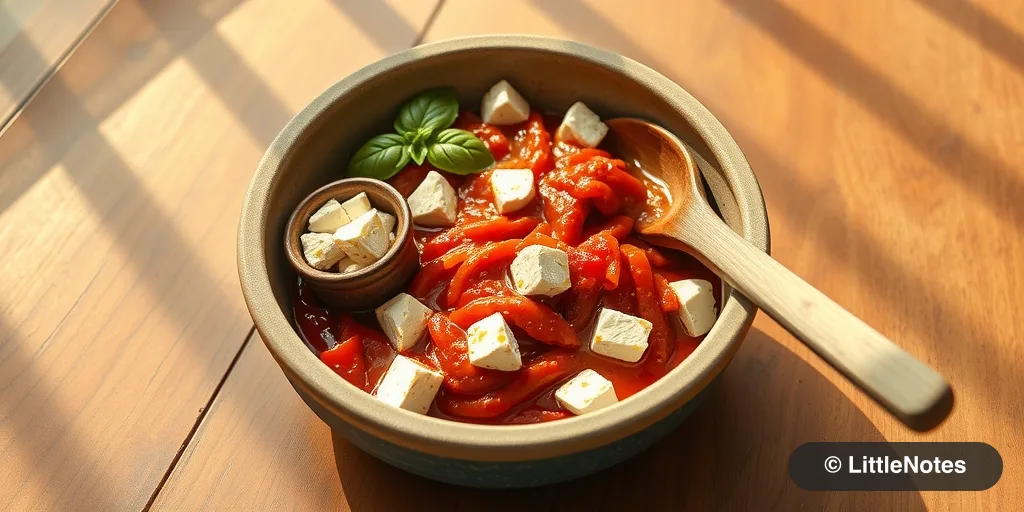
To add protein and creaminess to pasta sauces, blend in paneer. This is an excellent way to ensure a nutritious meal for vegetarian toddlers.
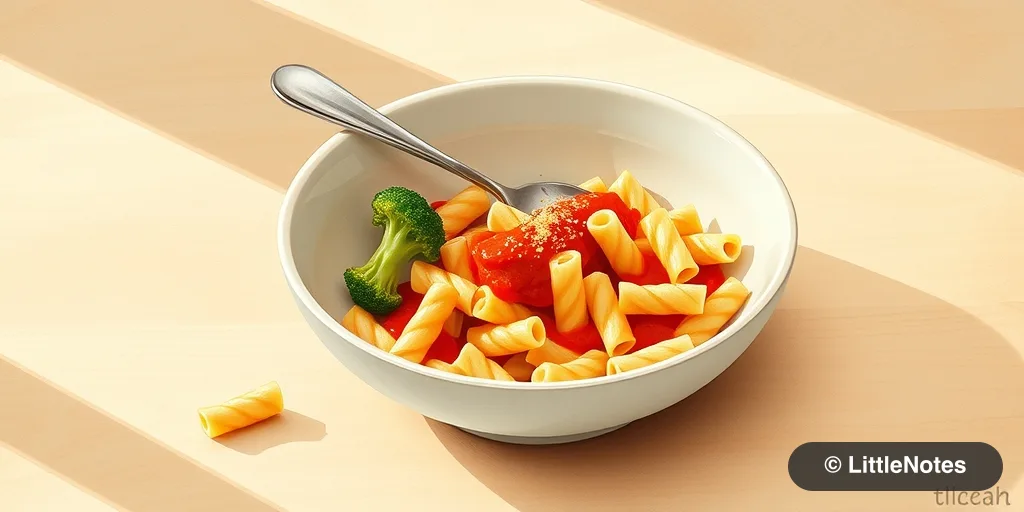
Pasta is a wonderful, versatile food to introduce to your baby once they are comfortable with solids. The key is in the preparation: boil the pasta until it is very soft—it should easily mash between your fingers when pressed. For younger babies (around 7–8 months), steer toward millet, semolina, or organic grain varieties. Since commercial pasta can be blan…