Community-powered wisdom for first-time parents
Tips on feeding, sleep, milestones, and more — shared by parents who've been there.
Browse tips & articles by topic
Ask questions & share experiences
As parents, identifying a suspicious mark on your baby’s skin can often lead to a 'detective' moment. Is it a food reaction? A heat rash? Or just a mosquito bite? Distinguishing between these is a common point of confusion. Identifying a Mosquito Bite Mosquito bites often appear as small, red, itchy bumps. Unlike food allergies, which typically present as hi…
If you suspect a reaction, closely monitor the child's symptoms and keep a detailed log of everything they have ingested in the last 48 hour…
When first starting solids, the general recommendation is to begin with just one meal per day. After the baby has adjusted, you can graduall…
Butt scooting is a completely normal way for some babies to move; many infants skip traditional crawling entirely and move directly to pulling themselves up to stand and walk.
Yes, 'butt scooting' is a normal way for some babies to move around. Every baby develops their own method of locomotion, and some infants ma…
For infected ear piercings, clean the area with a sterile saline solution several times a day. Applying an over-the-counter bacitracin ointment once daily for up to a week can also help clear the infection.
If an ear piercing becomes red, inflamed, or develops pus, keep the area clean by gently wiping it with a sterile saline solution several ti…
Teething at 4 months often causes gum irritation, drooling, and fussiness. You can soothe their discomfort by offering a clean, chilled teet…
It is a common milestone that often catches new parents off guard: the sudden, incessant need for your baby to gnaw on everything in sight. While it often begins around 4 months, this oral exploration is frequently a sign of teething discomfort. When your baby is fussy, especially at night, it’s natural to want to provide immediate relief. Many parents find …
If your toddler is struggling to accept boiled eggs, try incorporating them into pancakes first. As they get used to the taste, you can transition to fluffy, lightly seasoned omelets to increase their protein intake.
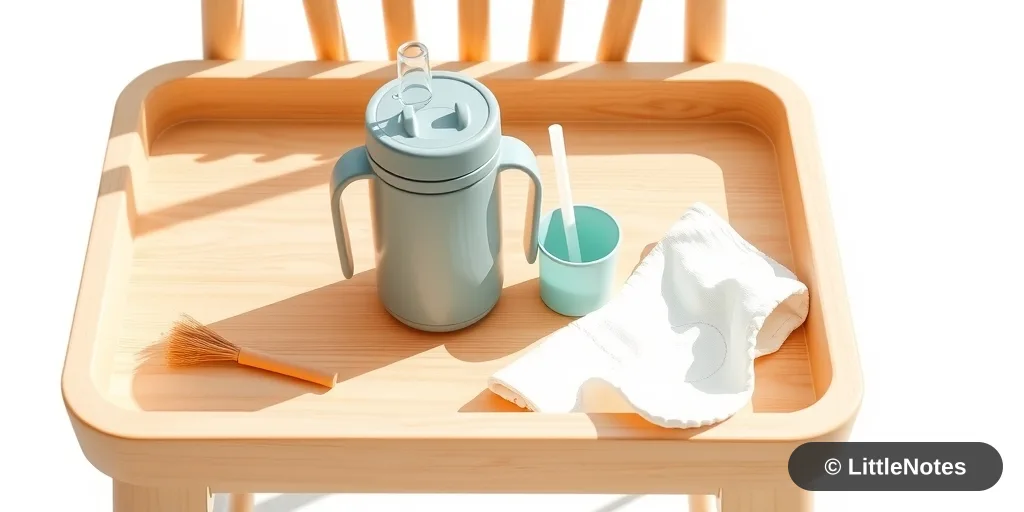
If your baby chokes on water from a spout sippy cup, try using a 360-degree cup or a straw cup. These support more natural mouth and tongue movements and allow the baby to regulate the flow better than traditional spouts.
Instead of pre-made store-bought biscuits, try cleaner, travel-friendly options like organic puffed rice (murmura) or specifically formulated baby snacks. Always check ingredient lists for hidden sugar and salt before purchasing.
Straw cups and open cups are generally preferred over spout sippy cups. They help babies develop more natural drinking skills, promote bette…
Postpartum hair loss, medically known as telogen effluvium, is a normal and temporary condition caused by shifting hormone levels and the st…
It is completely normal for new mothers to notice a significant increase in hair shedding around the 3 to 4-month mark postpartum. This phenomenon, known as Telogen Effluvium, is a temporary condition triggered by the physical and emotional stress of childbirth, as well as the dramatic shift in hormone levels—specifically estrogen, which drops sharply after …
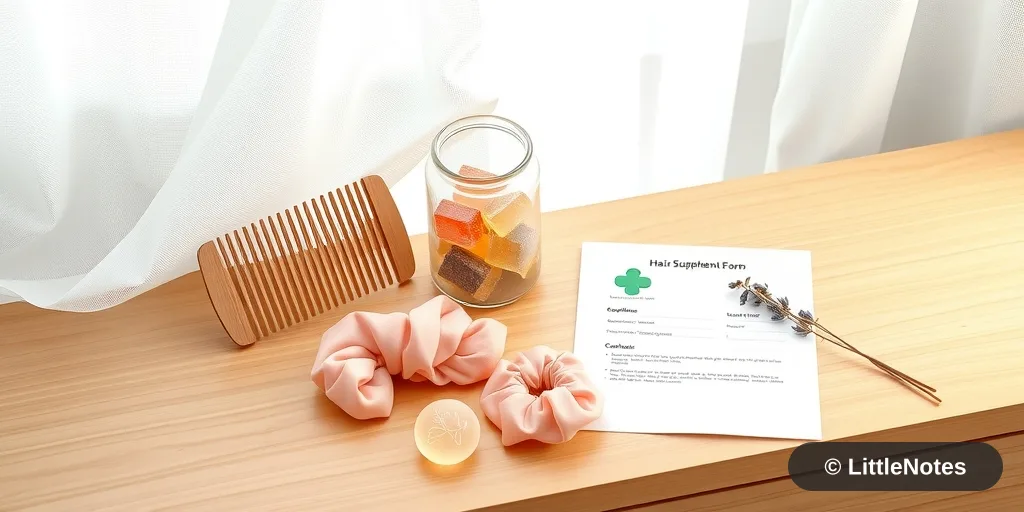
For postpartum hair loss, consider a 3-month course of hair gummies like Bebodywise, but remember that stress exacerbates hair shedding; prioritize a protein-rich diet and consult your doctor about testing iron, thyroid, and vitamin levels.
For infants under 12 months who are too young for full-time preschool, parent-toddler programs or sensory-focused classes like 'Music Together' provide excellent engagement without the commitment of a formal school day.
If your baby has a blocked nose, apply saline nasal drops before a feed. This clears the airway, making the actual feeding process much more comfortable and easier for the baby.
It is generally more effective to administer nasal drops before a feeding, especially if your baby has congestion. Clear nasal passages help…
It is not uncommon for infants to experience temporary separation anxiety, which can manifest as crying in their sleep or increased clingine…