Community-powered wisdom for first-time parents
Tips on feeding, sleep, milestones, and more — shared by parents who've been there.
Browse tips & articles by topic
Ask questions & share experiences
As your baby grows, it’s common to worry about every change in their behavior—especially when it comes to digestion and discomfort. A question that frequently arises is whether teething causes gas. While teething is often associated with irritability, drooling, and a desire to chew on things, it is not considered a direct cause of gas. Understanding the Disc…
Atoderm by Bioderma or Venusia Baby lotion are highly effective choices for moisturizing a baby's dry skin, offering deeper hydration than standard options.
Fish can be introduced around 7-8 months. Choose low-mercury fish varieties with few bones. You can steam the fish and flake it, or fry a sm…
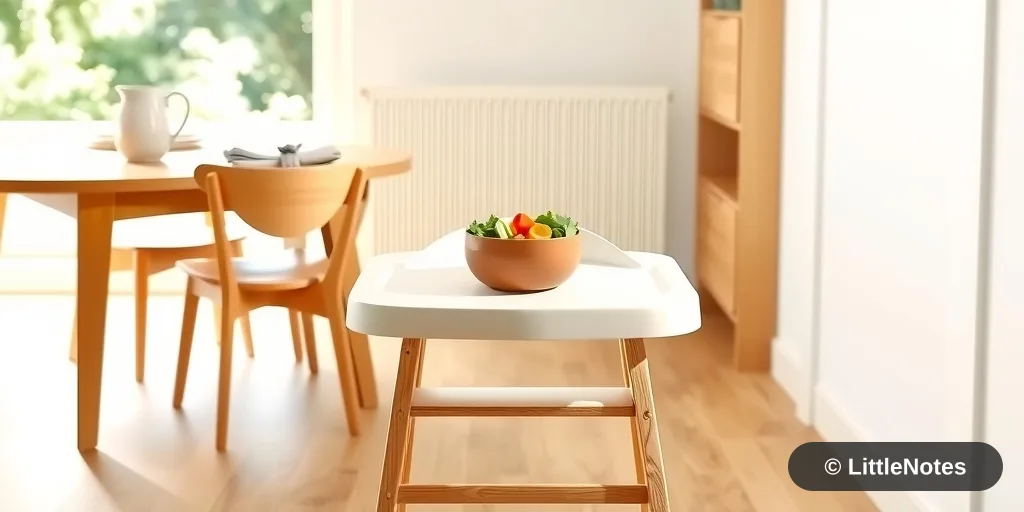
High chairs can be used for supervised playtime, but try to keep the chair strictly for eating during actual mealtimes to help the baby associate the seat with food.
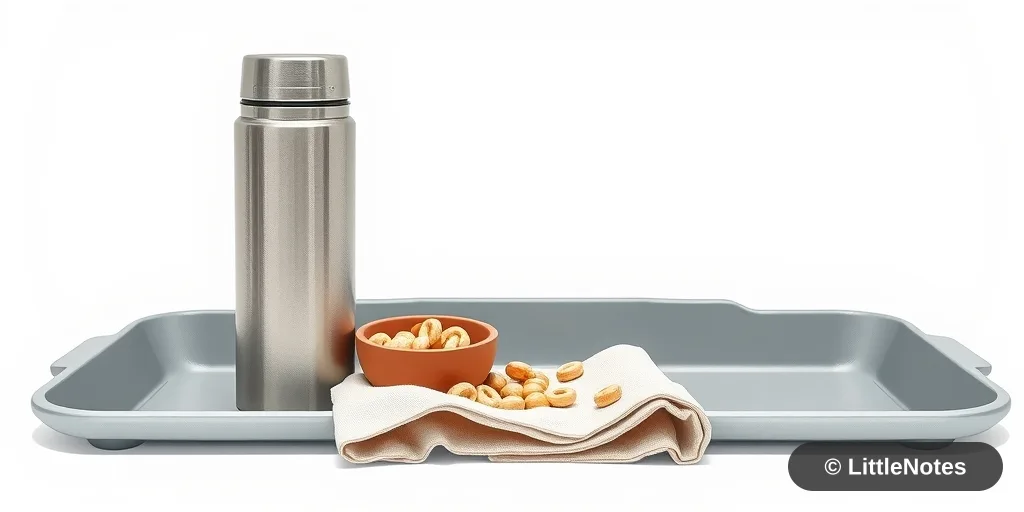
To keep an older baby engaged during airport security checks, provide small, safe snacks they can hold. For hot weather travel, pre-measured water in a 1-liter thermos is usually acceptable for infants, though security will perform a quick screening of all liquid food items.
A high chair is a valuable tool for establishing a routine, but it should be primarily associated with eating. While it is acceptable to let…
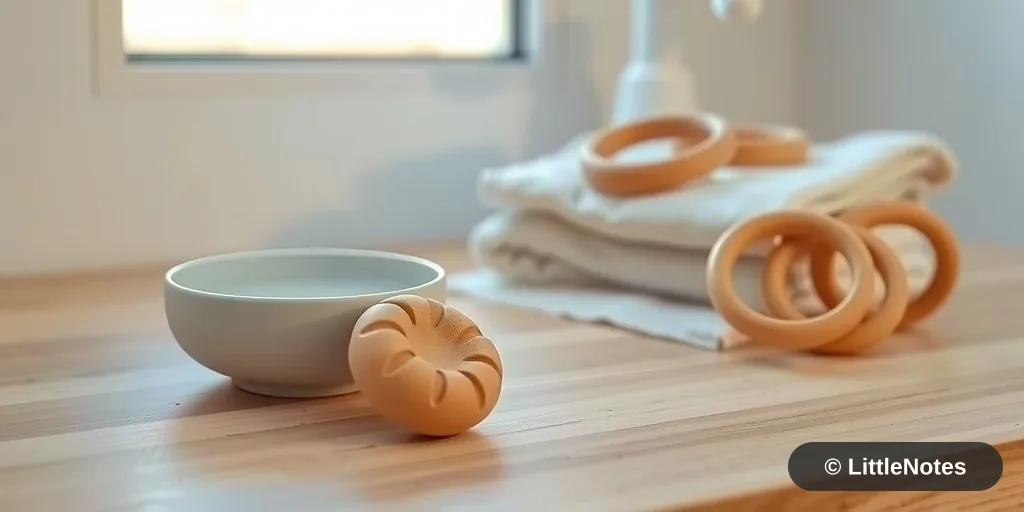
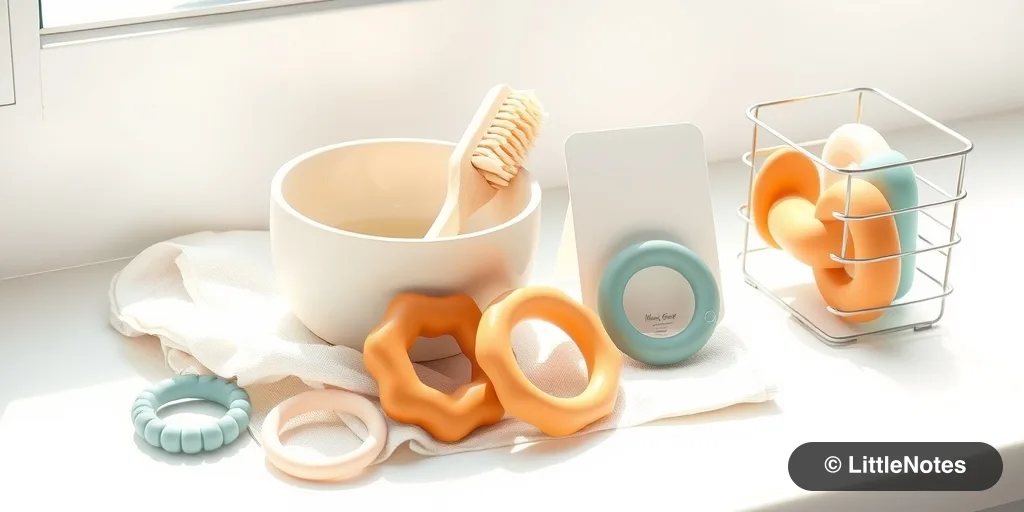
Clean teethers regularly by washing them with mild soap and water every evening or whenever they fall on the floor, ensuring they are kept hygienic for the baby.
Keep your baby's teethers hygienic by washing them thoroughly with mild soap and water every evening or immediately after they fall on the f…
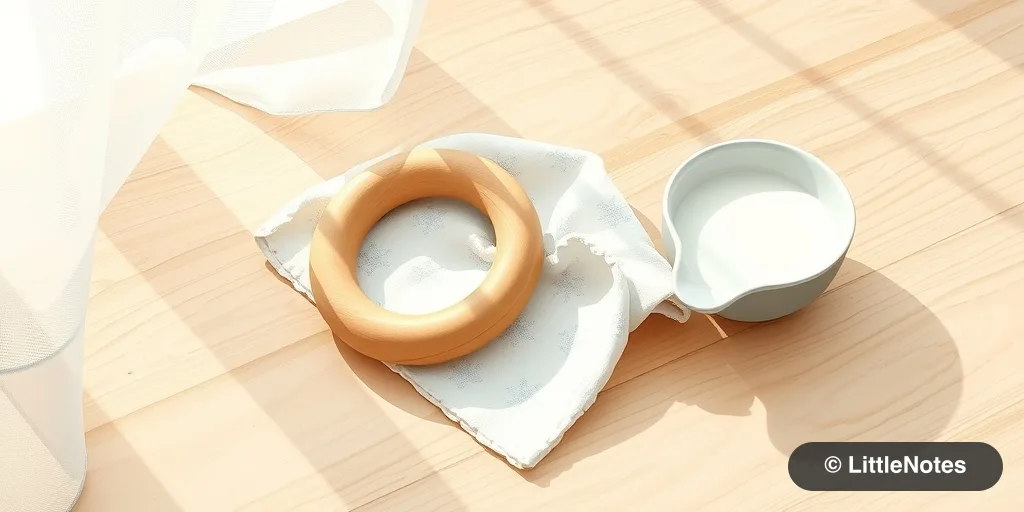
For babies 4 months and older, silicone or wooden teethers are excellent for soothing sore gums. Alternatively, dipping a muslin cloth in breast milk and freezing it creates a perfect, soothing teether.
Yes, sleep patterns often shift during infancy. If your baby suddenly starts refusing their morning nap or shows an irregular schedule for a…
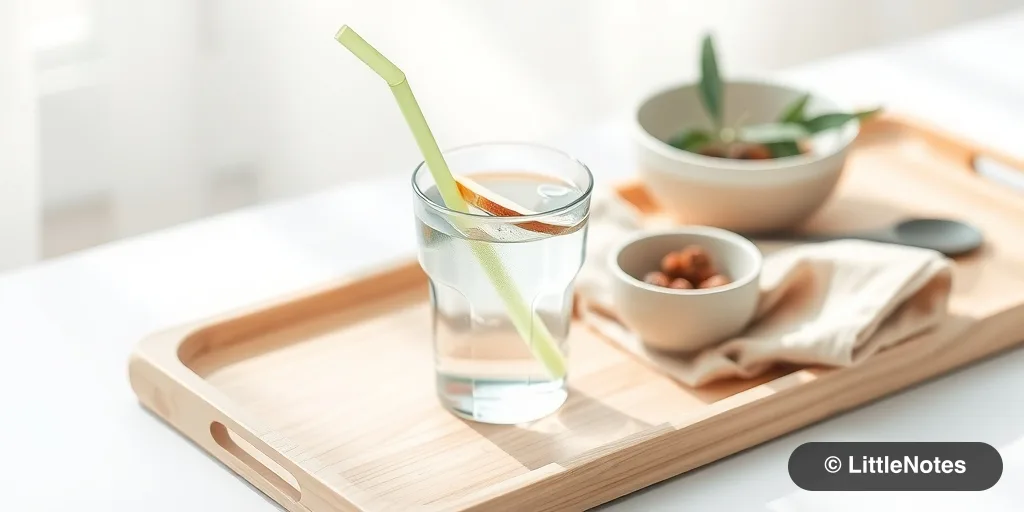
It is completely normal to feel concerned when your baby first starts solids and seems to reject water. During the early months of solids (6–9 months), your baby is still getting significant hydration from breast milk or formula. When to Start? Once you start solids, it is a great time to introduce small sips of water to help with digestion, but don't panic …
Some babies are slow to accept water, especially if they are getting sufficient hydration through breast milk or formula. You can encourage…
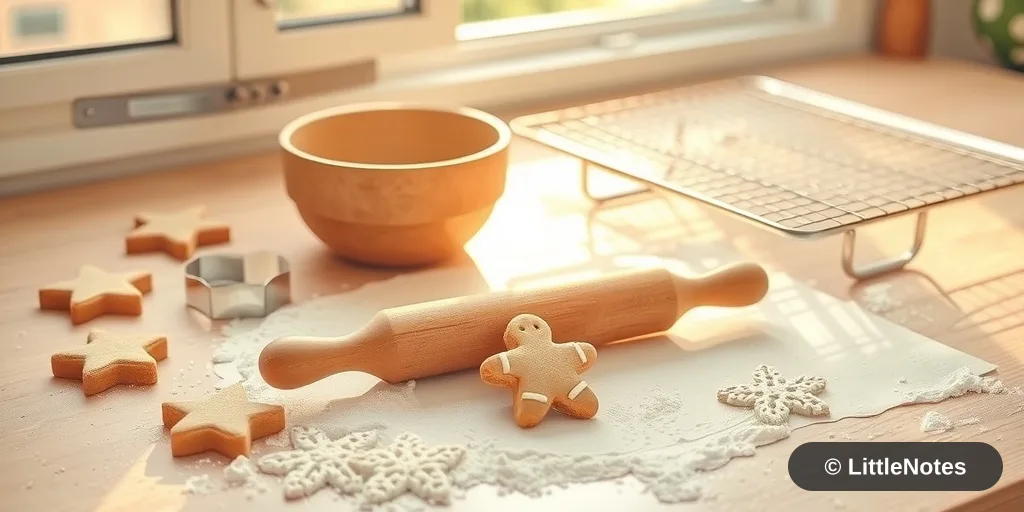
Preschool-aged children can often be engaged with hands-on holiday workshops, such as baking sessions, to teach basic culinary techniques in a safe, supervised environment.
Around 9 months, if your baby is eating solids during the day, they often don't need night feeds for hunger. If you are struggling with freq…
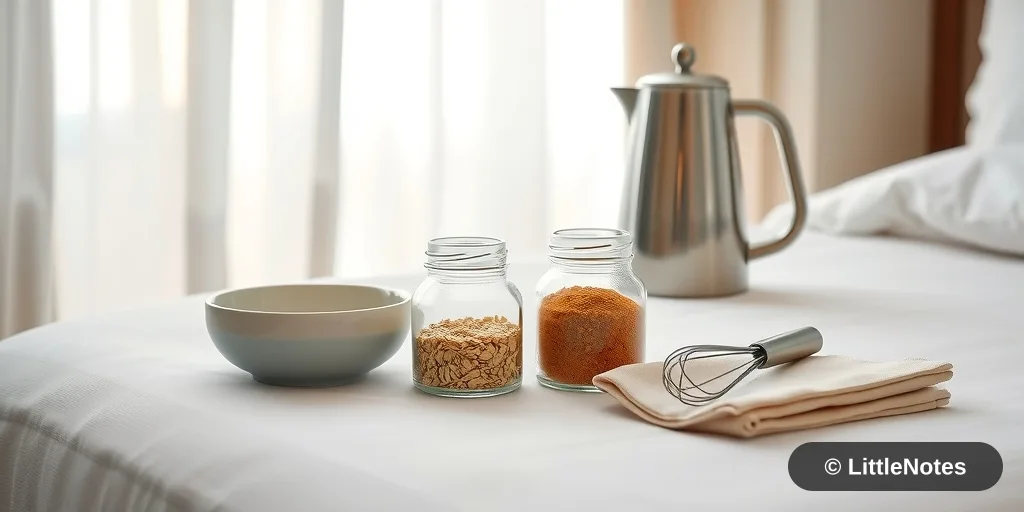
When traveling with a 7-month-old, carry lightweight essentials like roasted suji, roasted makhana powder, and roasted oats powder. You can quickly mix these with hot water (available via hotel kettles or room service) to create a nutritious meal slurry.
If a baby is congested, sitting in the bathroom with a hot shower running (with windows and doors shut and the exhaust off) can create a natural steam room that helps clear airways.
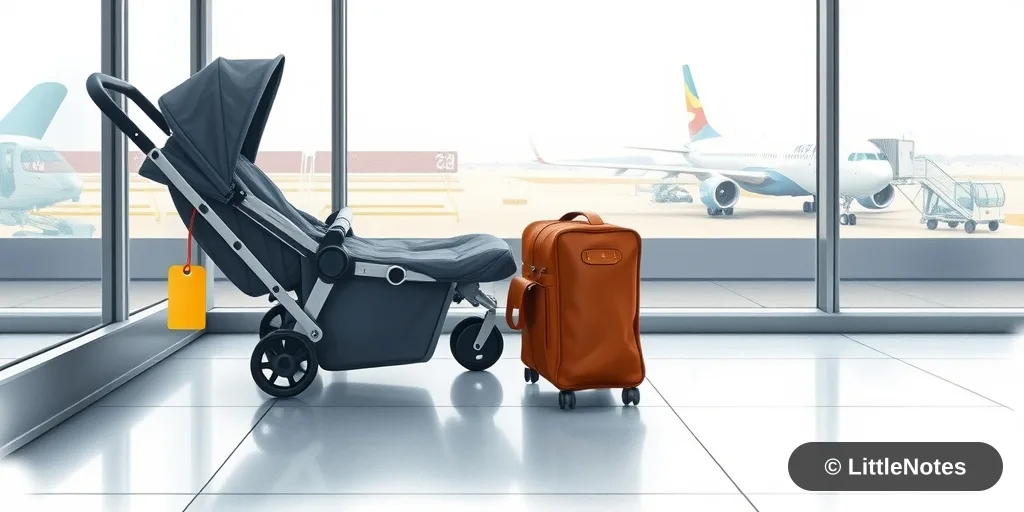
When traveling with a foldable stroller on airlines like Indigo, try to take it to the boarding gate. While some flights may allow it in the cabin, be prepared for it to be collected at the entrance and returned to you either at the deboarding gate or the baggage carousel.
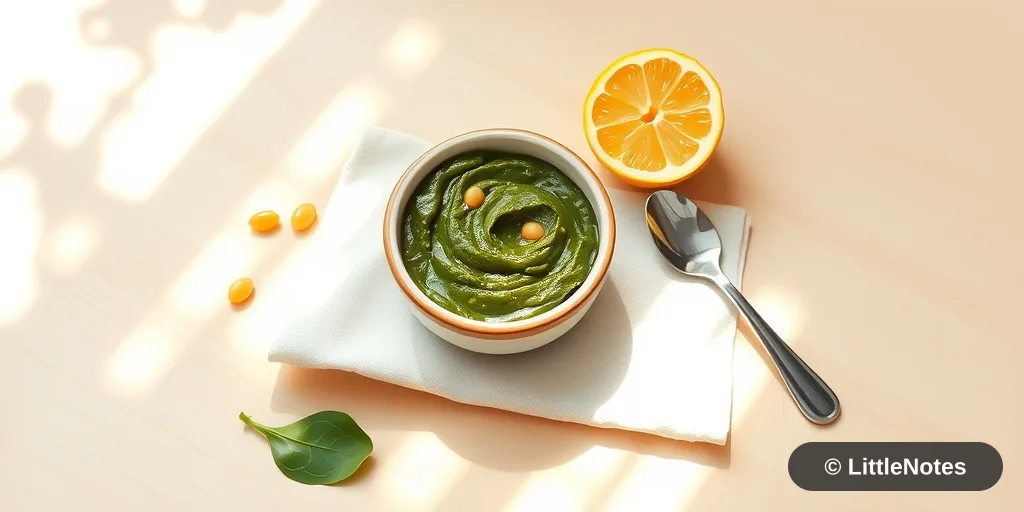
To increase iron absorption in babies, pair iron-rich foods like palak (spinach) or lentils with a splash of citrus, which helps the body process the nutrients more efficiently.
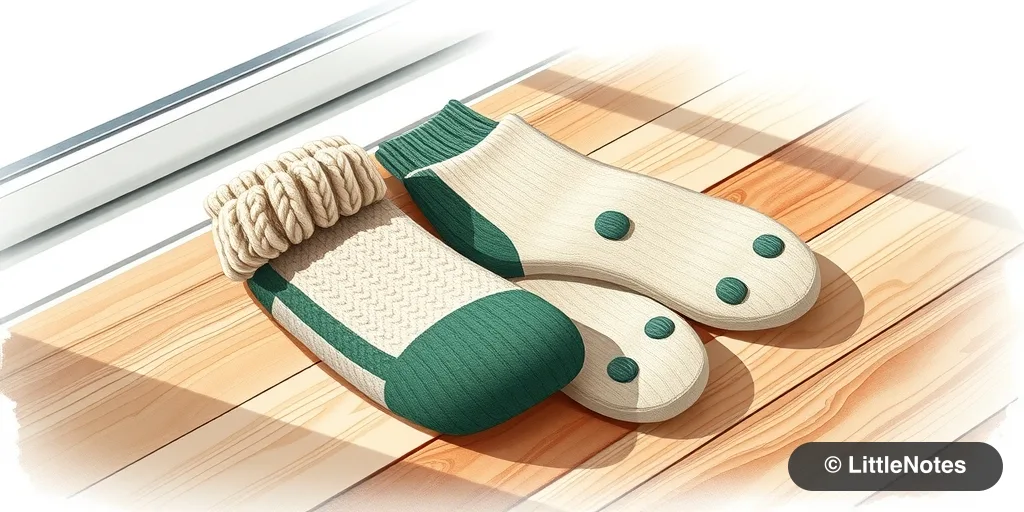
To keep a toddler warm indoors during winter, anti-skid socks are ideal for southern regions, while woolen socks are better suited for colder northern climates.
As the temperature drops, it is natural to worry about your little one catching a chill. Balancing warmth with safety is key, especially when babies have a habit of kicking off blankets or removing layers while they sleep. For indoor comfort in colder climates, layering is your best friend. Instead of relying on a single, thick, and potentially restrictive g…